


America in Bloom Celebrates 25 Years of Community Partnerships
 June 21, 2026
 “Horticulture can be a unifying force that brings residents, businesses, and local communities together to drive economic development, environmental stewardship, civic pride, and quality of life.”
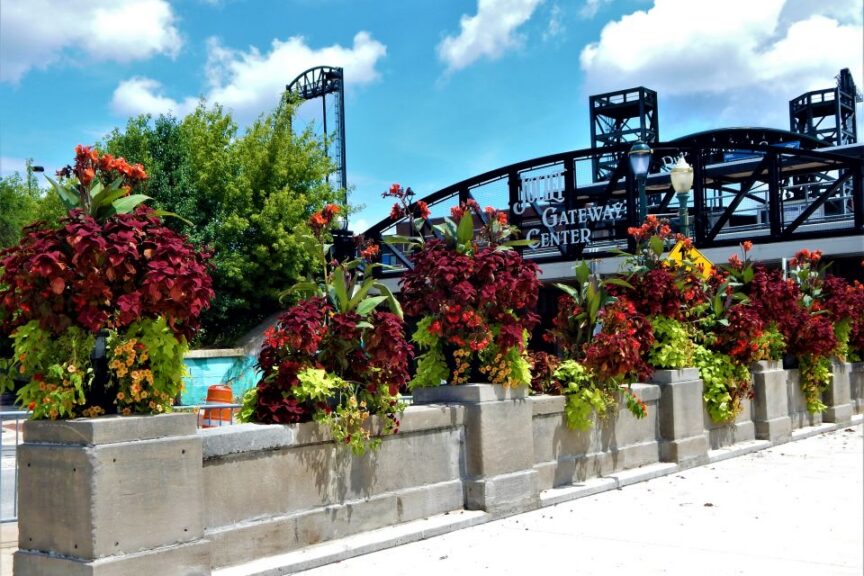
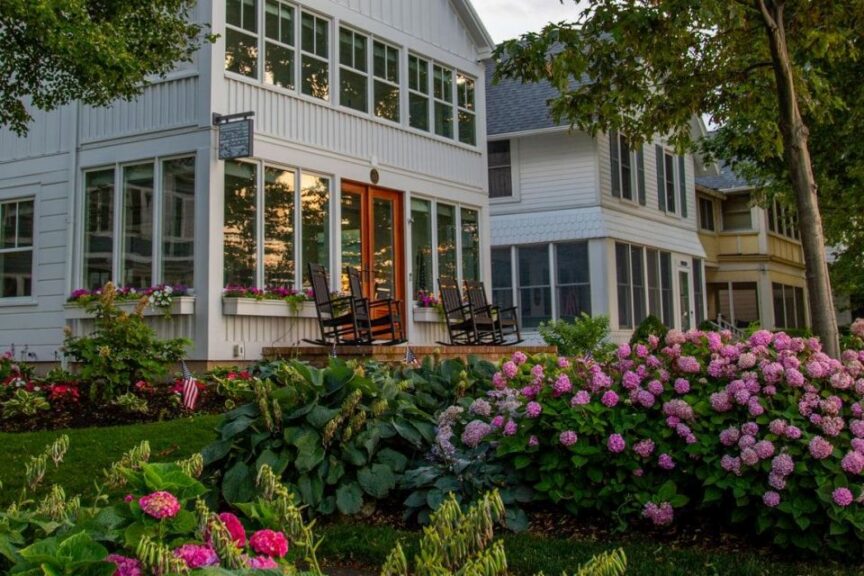
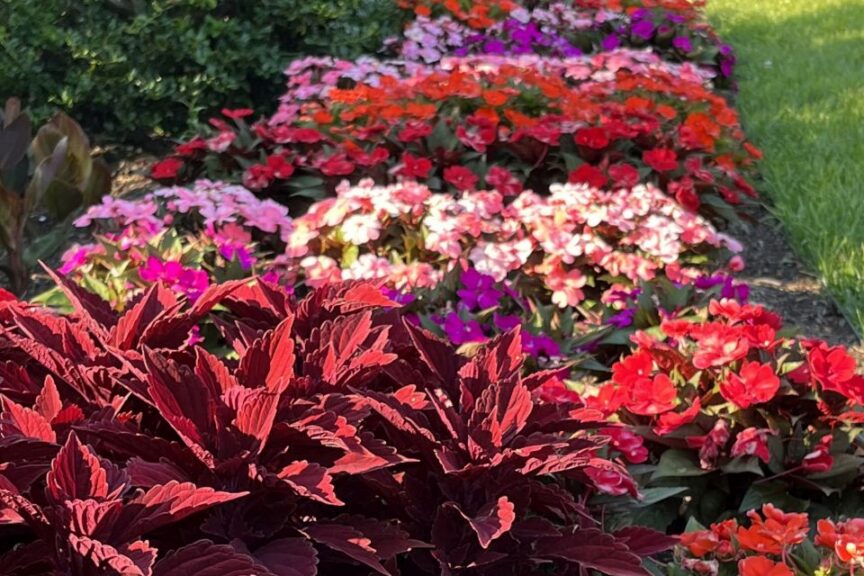
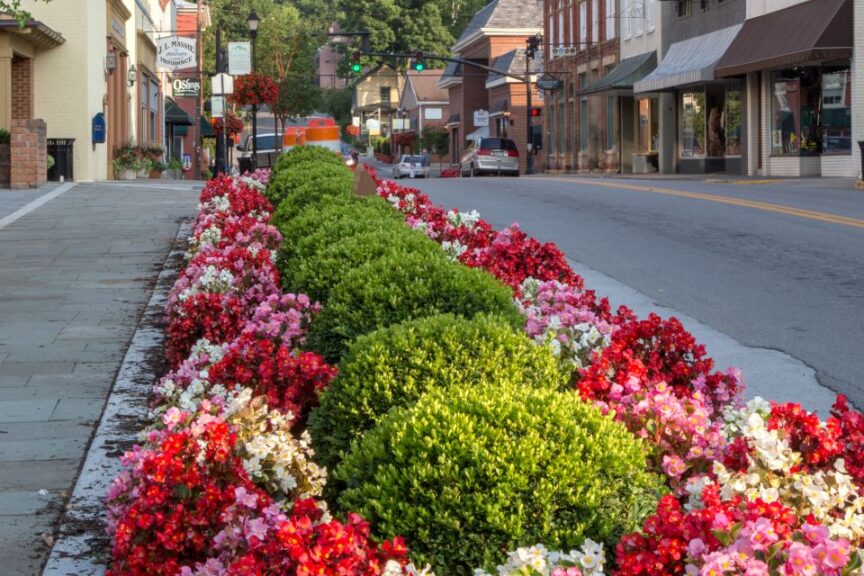
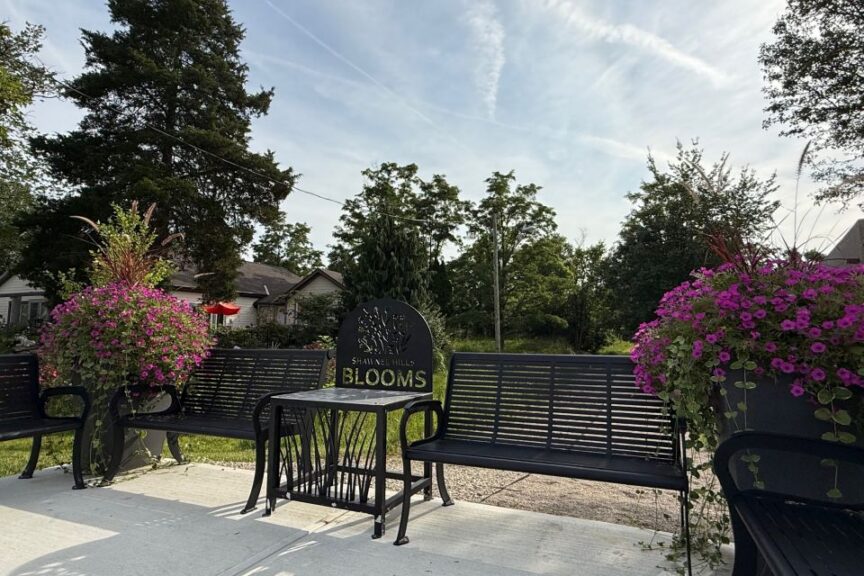
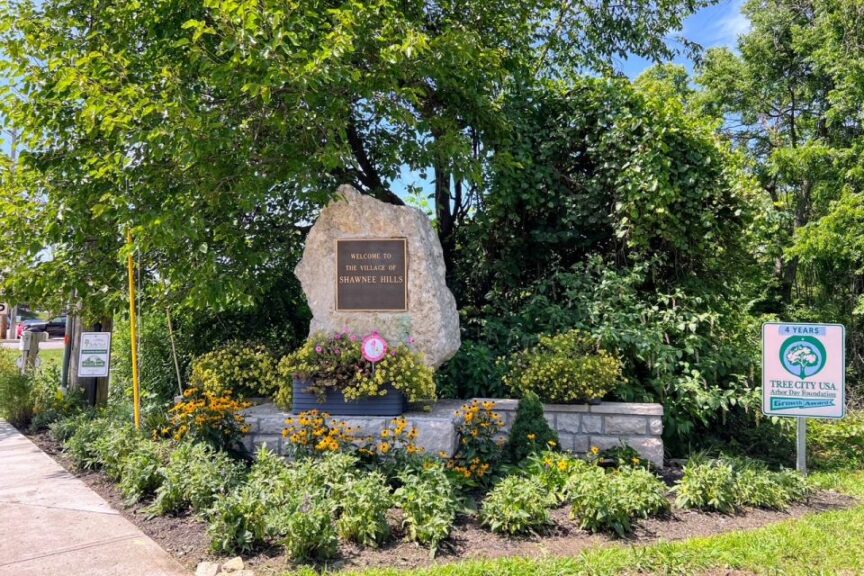
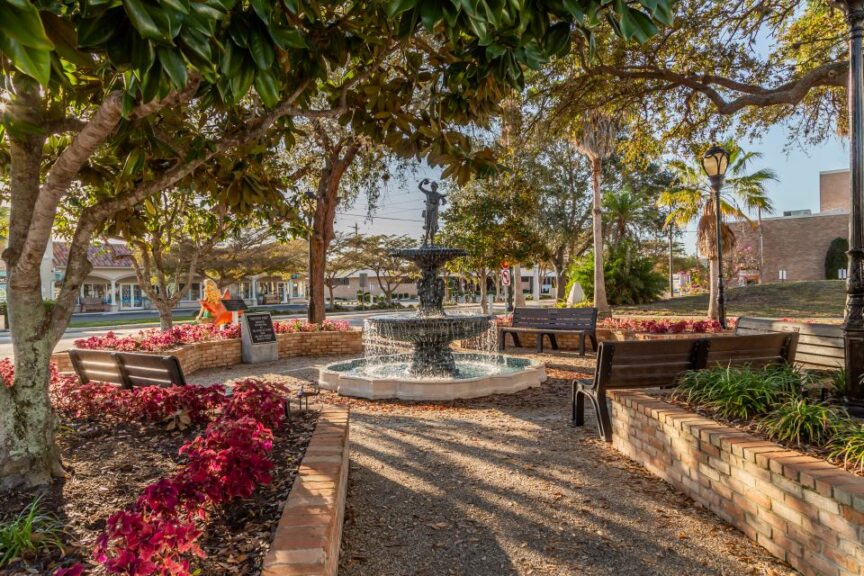
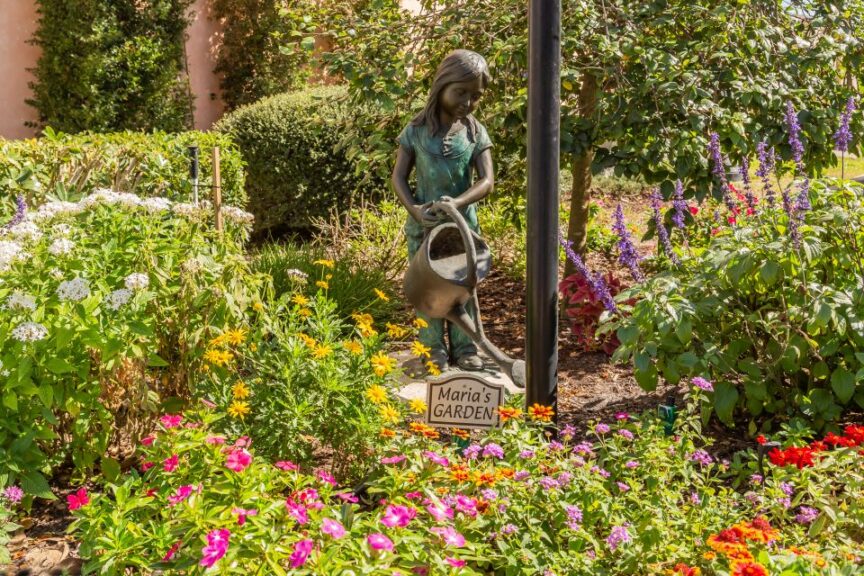
View all
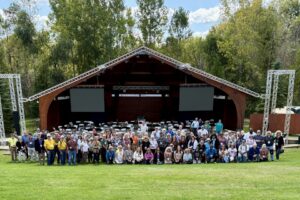
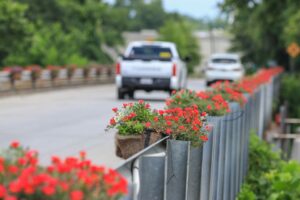

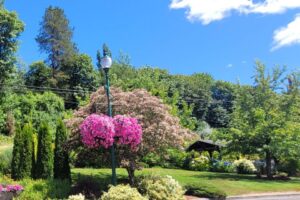
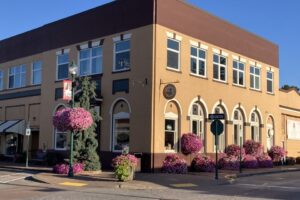
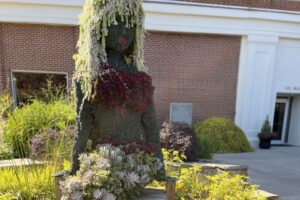
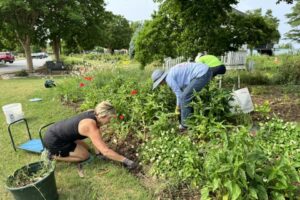
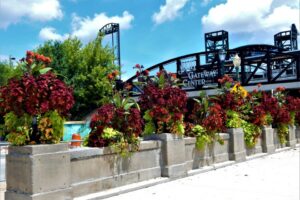
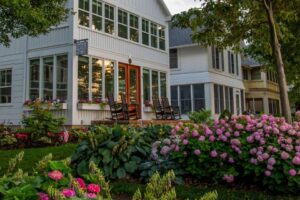
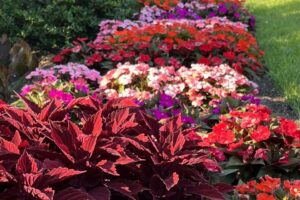
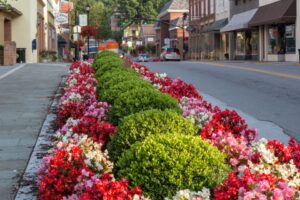
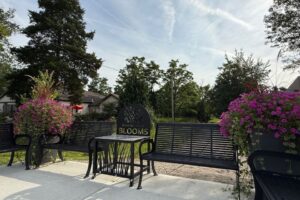
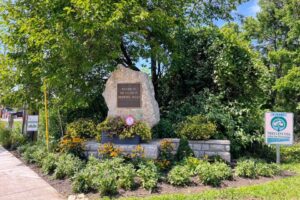

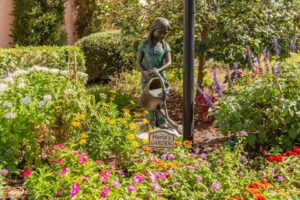

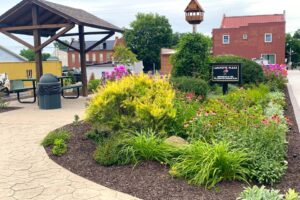
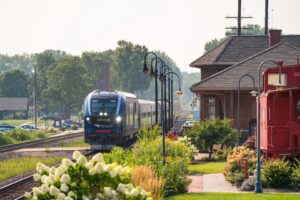
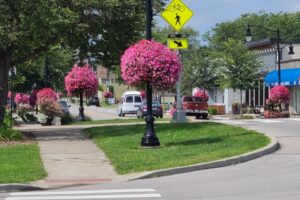
Those words, from Laura Kunkle, Executive Director of America in Bloom (AIB), capture why the organization was founded in 2001 by a group of horticulture industry professionals who wanted to connect people to the benefits of plants, trees, and flowers. They quickly realized that community development could extend well beyond horticulture to include community vitality, heritage preservation, and environmental stewardship.
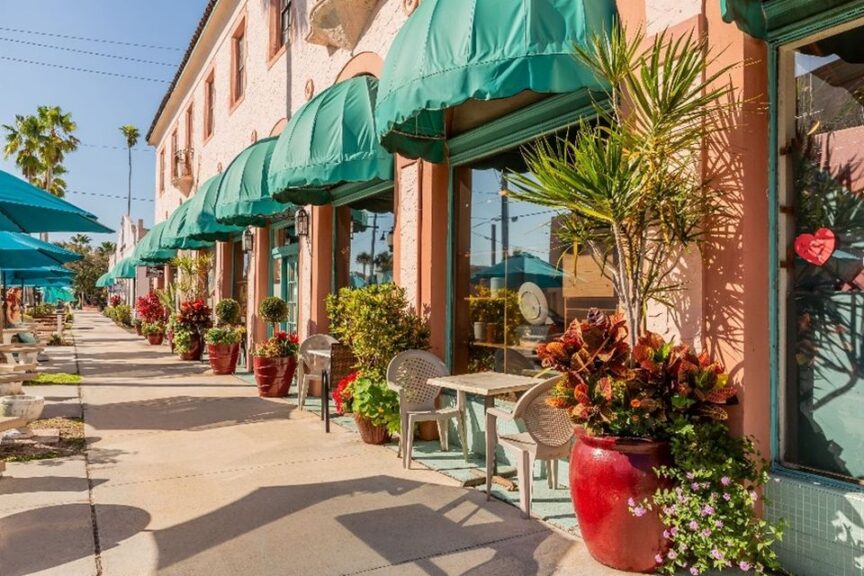
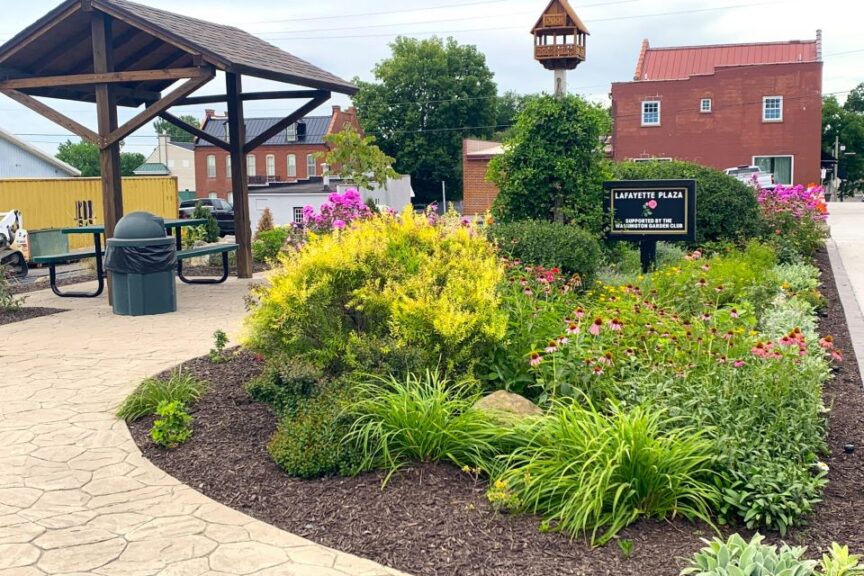
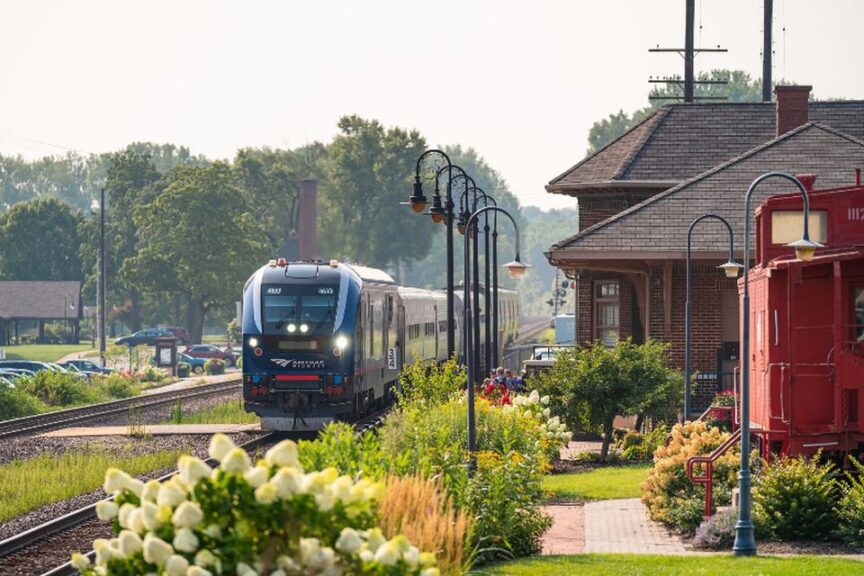
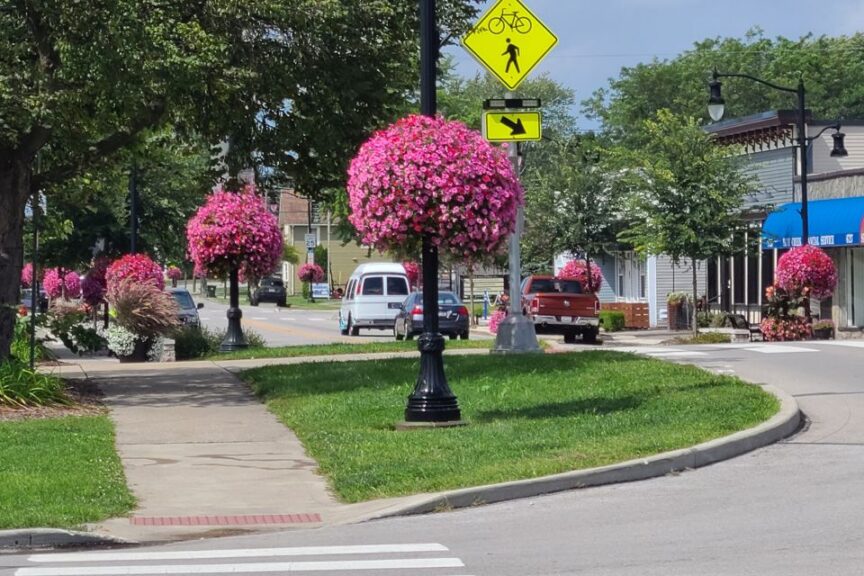
Now, 25 years later, America in Bloom-supported gardens and displays can be found in more than 400 communities across 44 states. Growers have been central to that success, helping turn flowers, shrubs, and trees into vibrant places to live, work, and play.
A Bit of History
America in Bloom officially launched in 2001, but its roots go back a few years earlier, when a group of horticulture industry members began meeting regularly in Cleveland to discuss how to better connect with communities at the grassroots level about the benefits of plants.
“We decided to create an organization modeled after a Canadian initiative called Communities in Bloom, and we worked with Bedding Plants International to purchase the name ‘America in Bloom’,” says Kunkle.
During its first year, America in Bloom did a pilot project with four U.S. cities and four Canadian cities, giving American communities the opportunity to learn from their Canadian counterparts.
Things moved quickly from there. The following year, more than 40 cities participated in the first national America in Bloom program, thanks largely to task force members who encouraged their local communities to get involved.
Grower Involvement Has Been Critical
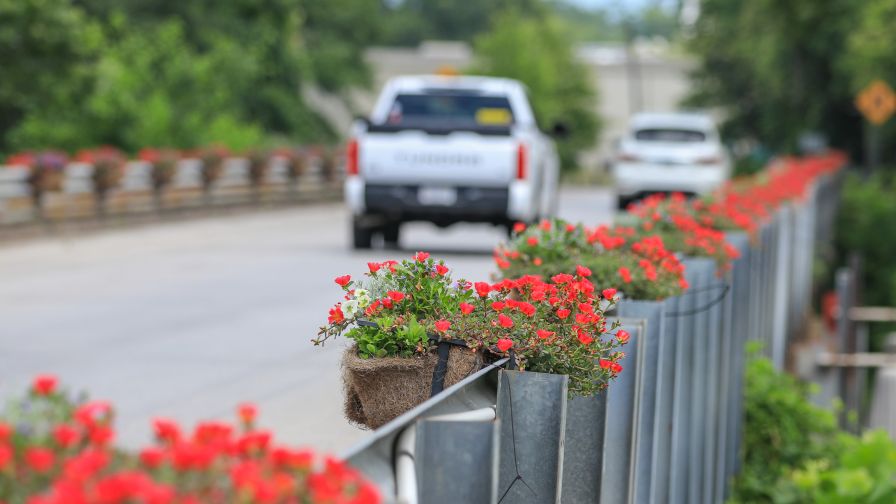
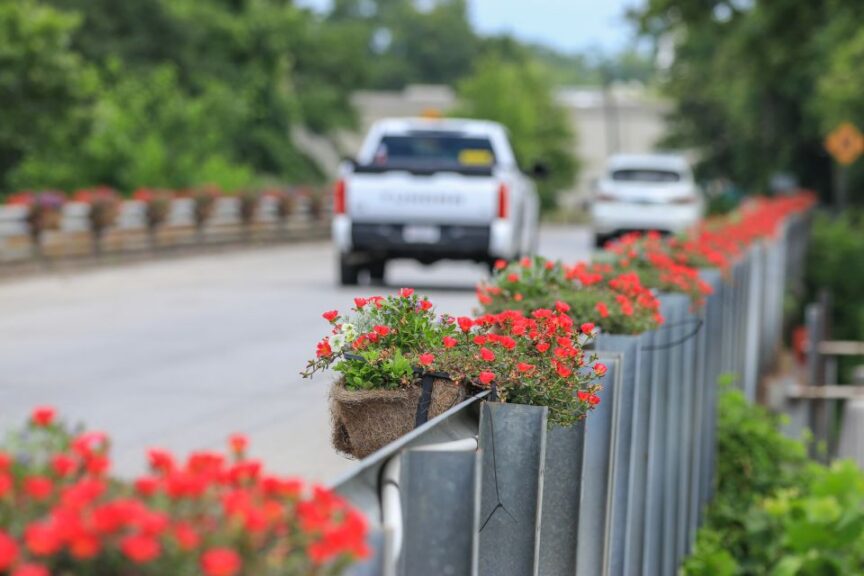
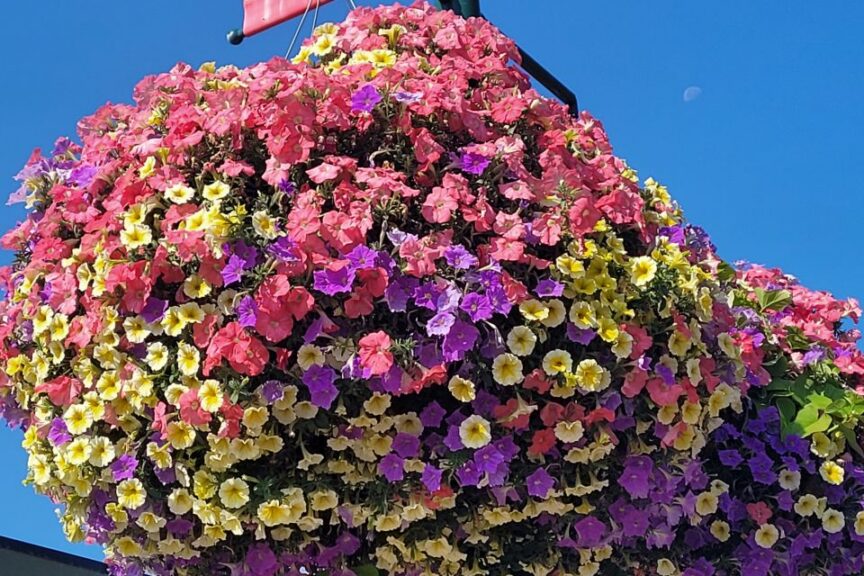
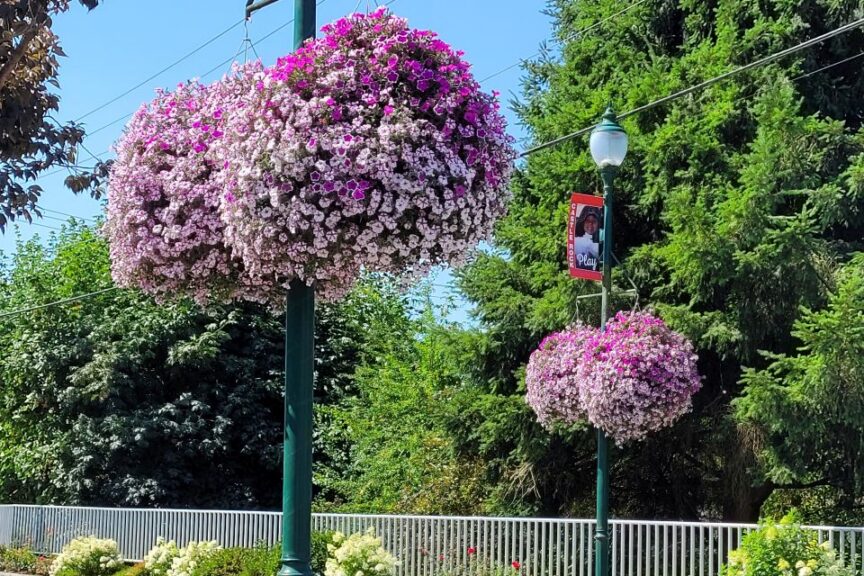
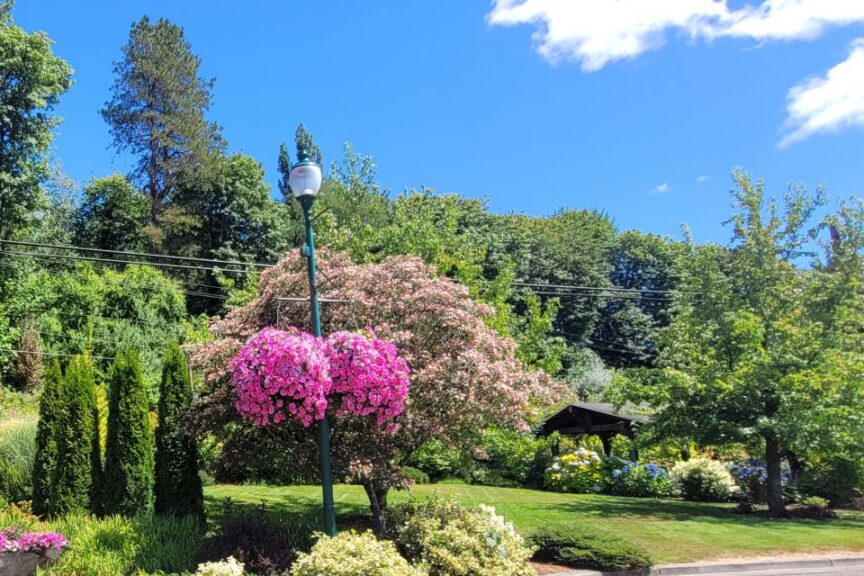
Since 2012, Castle Rock, WA, has earned several Certificates of Recognition from America in Bloom. | America in Bloom
One person involved in America in Bloom from the beginning was Lori Kelly, Retail and Plug Production Manager at Bob’s Market and Greenhouses in Mason, WV.
“We had a local city, Gallipolis, OH, right across the West Virginia/Ohio border, that was buying plant material from us for a beautification project, and we realized that if we could help them become successful, it would also be beneficial for us,” Kelly says. “We had heard about what America in Bloom was doing in other communities, and we wanted to learn more.”
The project started small and was initially led by the Bob’s Market team and a group of local volunteer gardeners. Eventually, it grew to the point where Bob’s Market worked with the city of Gallipolis to help it formally participate in America in Bloom.
The benefits of this partnership came quickly, even if they were not initially monetary.
“For many years, Bob’s Market has been an advocate for helping our neighbors beautify their neighborhoods,” Kelly says. “Now we also see it as a marketing opportunity. Any time we can help a customer find success when displaying our products, it’s good name recognition for us. Even better, if there’s a city official from another town driving through one of our neighborhoods who decides they want to duplicate what we’re doing, our name is attached to it.”
Kelly notes that involvement in projects like this may begin with giving away plant material. However, “we’ve covered those costs many times over since then, while developing and strengthening relationships within our communities.”
Benefits to the Entire Industry
Mason Day, Board President for America in Bloom, says the benefits of programs like America in Bloom extend beyond the growers directly involved.
“When one community, or one home or business within a community, makes a concerted effort to make itself look better, it often leads to others following suit,” Day says. “There’s a sense of community pride that develops from that, and if you’re the grower, you can be a part of that.”
Local beautification projects can also help spark interest in new plants and plant categories, Day says.
“If you add a new Wave variety or some Sun Parasol mandevillas to a commercial landscape setting, the homeowner down the road might also want those flowers to plant in their own yard,” Day says.
Kelly echoes that point. “We plant material based on breeder recommendations, but we also look at what’s popular in our own backyard,” she says.
Encouraging More Participation
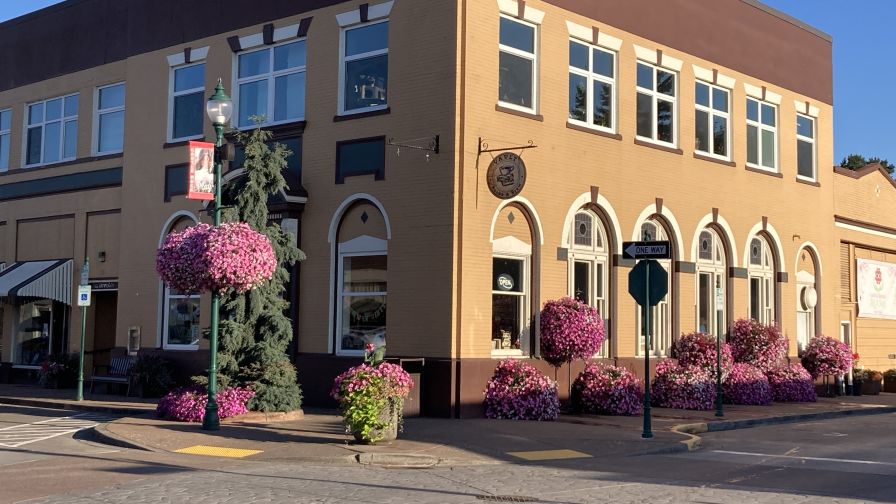
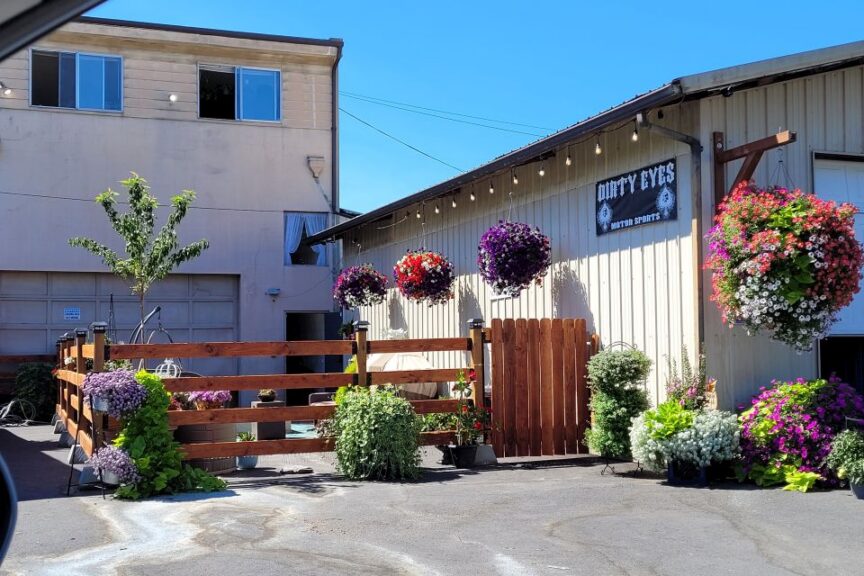
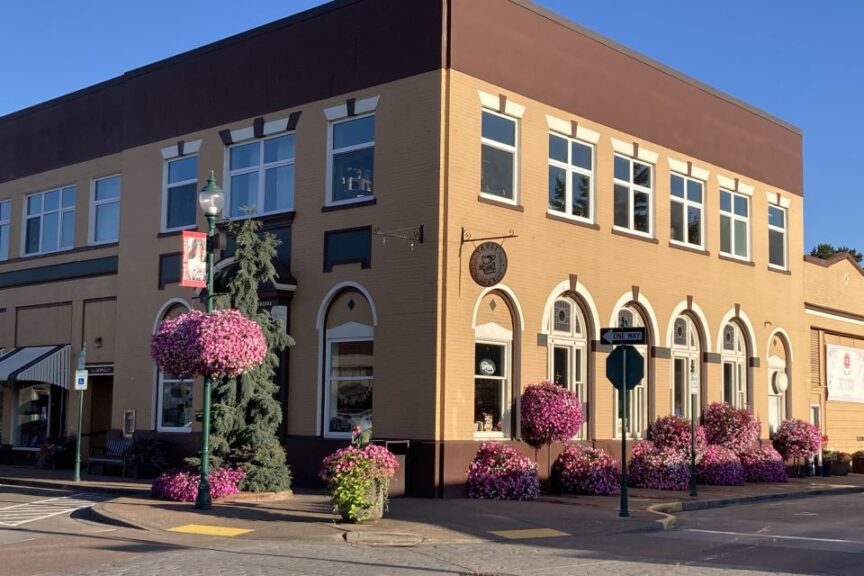
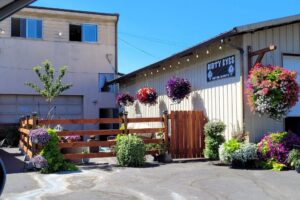
America in Bloom recognized Brewton, AL, as a 2024 national award winner for its achievements in landscaped areas. | America in Bloom
As America in Bloom looks to the future, three key priorities stand out.
Gardens Across America:
This new self-assessment and certification tool allows individual homeowners and businesses to share their commitment to beautification and environmental stewardship.
Alumni Communities:
“One of our goals is to identify how we can actively help more communities every year,” Day says. “We’ve created a network of alumni cities that may no longer participate in the program this year, but can serve as a resource for advice to other communities that want to participate.”
Making Horticulture a Focus:
Communities working to become more aesthetically pleasing also need to be maintained, and plant experts from participating growers can play a key role. Kelly credits everyone involved in America in Bloom with fostering community beautification and pride over the last 25 years.
“It’s really a simple yet powerful idea, but beautiful and vibrant communities don’t just happen by accident,” she says. “They happen when we come together with intention and work not as competitors, but as partners, on a shared goal.”
Advice for Growers Looking to Get Involved
Kelly offers four tips for growers interested in working with America in Bloom.
1. Don’t Focus Only on Immediate Sales
Build the relationship first. “You’ll get the benefit in return many times over,” Kelly says.
2. Be Ready for a Time Commitment
Community partners may not have plant expertise, so growers often need to explain watering, fertilizing, and basic care. “It takes time, it takes patience, and it takes answering the phone call when it rings,” Kelly says.
3. Show Up
Meet partners where they live and tour with them. Bring simple plant care handouts and show that you want to help them succeed.
4. Have a Dedicated Point Person
Assign one person to coordinate the program. “That way you won’t have any mixed communication,” Kelly says.
Subscribe to eNewsletter