A new report from the International Association of Horticultural Producers offers economic insights from 12 countries and production data from more than 40 markets.
As 2025 comes to a close, American Floral Endowment looks back at its accomplishments throughout the industry, and on to 2026.
HortCred is a micro-credentialing program designed to help horticulture professionals quickly develop and demonstrate job-specific skills.
The editorial team at Greenhouse Grower brings you the latest updates from the Trump administration’s policies and their impact on floriculture.
The Garden at Elm Bank highlights how plants in their 13 trial beds held up under a hot New England summer.
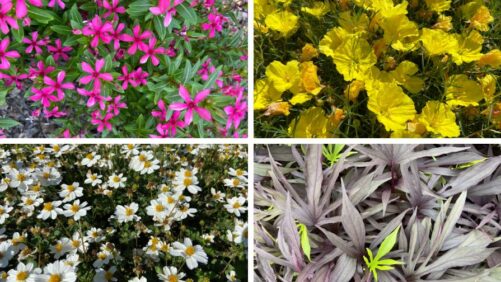
At D.S. Cole Growers, evaluating plants during summer heat offers a sense of which varieties hold up when late-season stress kicks in.
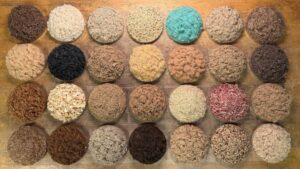
In the last part of a series of articles featuring insights from growing media suppliers, we look at how these companies are partnering with universities, growers, and others to address future substrate needs.
From the future of peat to sustainable plastic alternatives, here’s what you may have missed in Greenhouse Grower’s November 2025 issue.
From weather swings to standout pollinator magnets, the Penn State Flower Trials highlight top performers.
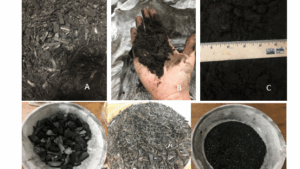
In the third of a four-part series, University of Georgia Ornamental Specialist Ping Yu outlines how biochar can both reduce the likelihood of disease and minimize infection rates.
Through recent surveys and conversations, American Floral Endowment has highlighted AI, technology integration, biostimulants, and several other key challenges. These efforts are helping AFE prioritize future research funding.

The third of a three-part series looks at managing regulations and tariffs, and new innovations in the peat industry.
This is the first article in a six-part series exploring the sourcing, engineering, and use of engineered wood substrates.