Newsletter Benchrunner Friday
Highlights from 2025 Field Trials: North Carolina State University
December 11, 2025
At D.S. Cole Growers, evaluating plants during summer heat offers a sense of which varieties hold up when late-season stress kicks in.
In the last part of a series of articles featuring insights from growing media suppliers, we look at how these companies are partnering with universities, growers, and others to address future substrate needs.
From the future of peat to sustainable plastic alternatives, here’s what you may have missed in Greenhouse Grower’s November 2025 issue.
From weather swings to standout pollinator magnets, the Penn State Flower Trials highlight top performers.
In the third of a four-part series, University of Georgia Ornamental Specialist Ping Yu outlines how biochar can both reduce the likelihood of disease and minimize infection rates.
Through recent surveys and conversations, American Floral Endowment has highlighted AI, technology integration, biostimulants, and several other key challenges. These efforts are helping AFE prioritize future research funding.
The third of a three-part series looks at managing regulations and tariffs, and new innovations in the peat industry.
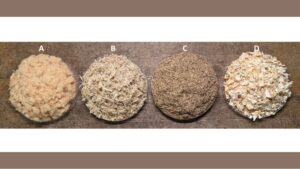
This is the first article in a six-part series exploring the sourcing, engineering, and use of engineered wood substrates.
In Part 4 of a series of articles featuring insights from growing media suppliers, we look at recommendations on how to get the best performance out of your material.
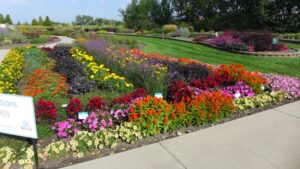
Now entering its third year, the Iowa Arboretum & Gardens shares top performers from its most successful trial season yet.
The second of a three-part series looks at sustainability and restoration efforts made in response to the climate effects of peat extraction.
The first of a three-part series looks at how Canada’s peat industry is balancing rising demand with long-term restoration goals.
The E-GROW project team at GLASE has completed and shared the results of its first year of research on gaps in greenhouse education.