Nature Hills Nursery has developed Plant Sentry, a comprehensive plant compliance system that is designed to ensure that e-commerce vendors grow and ship only plants that are fully compliant with phytosanitary regulations.
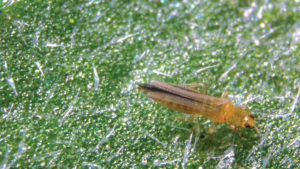
Thrips lurking on cuttings can derail even the best pest control efforts. Adding cutting dips to your pest management routine may give you the preventive control you need to stop infestations before they start.
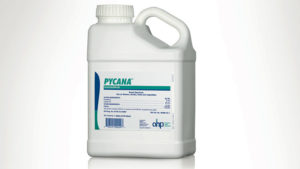
Pycana, which is labeled for use on ornamentals and other crops, contains natural pyrethrins and canola oil that provides quick control of several insects and mites.
Greenhouse growers are often converting back and forth from production week number to calendar date when scheduling crop management. A new tool developed by the University of Florida does these date conversions for them.
Implementing these easy steps to optimize your integrated pest management strategy for better control of aphids in the greenhouse will save you time and money.
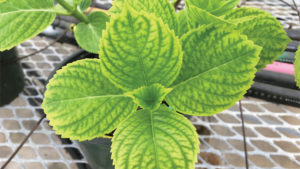
Geraniums grown in substrates below an optimal pH range will exhibit chlorotic leaf spotting between veins, interveinal chlorosis, and marginal and leaf necrosis of the lower foliage.