Nufarm recently announced that its Nufarm Rewards program will be extended until July 31, 2018, for greenhouses and nurseries in areas affected by the wildfires in northern California.
Regardless of your production challenges, keeping containerized herbaceous perennials healthy is as simple as understanding the basics of their nutritional needs.
The University of Massachusetts offers an online guide on best production practices for mums, including handling rooted cuttings, container production, fertilization, and more.
AMVAC has acquired OHP and its chemical and biological crop protection solutions for the greenhouse and nursery markets. The deal will close in early October, and there will be no changes to staff, products, or operations.
Rising costs and a poor harvest have created challenging conditions for the growing media industry in 2017, according to the UK-based Growing Media Association.
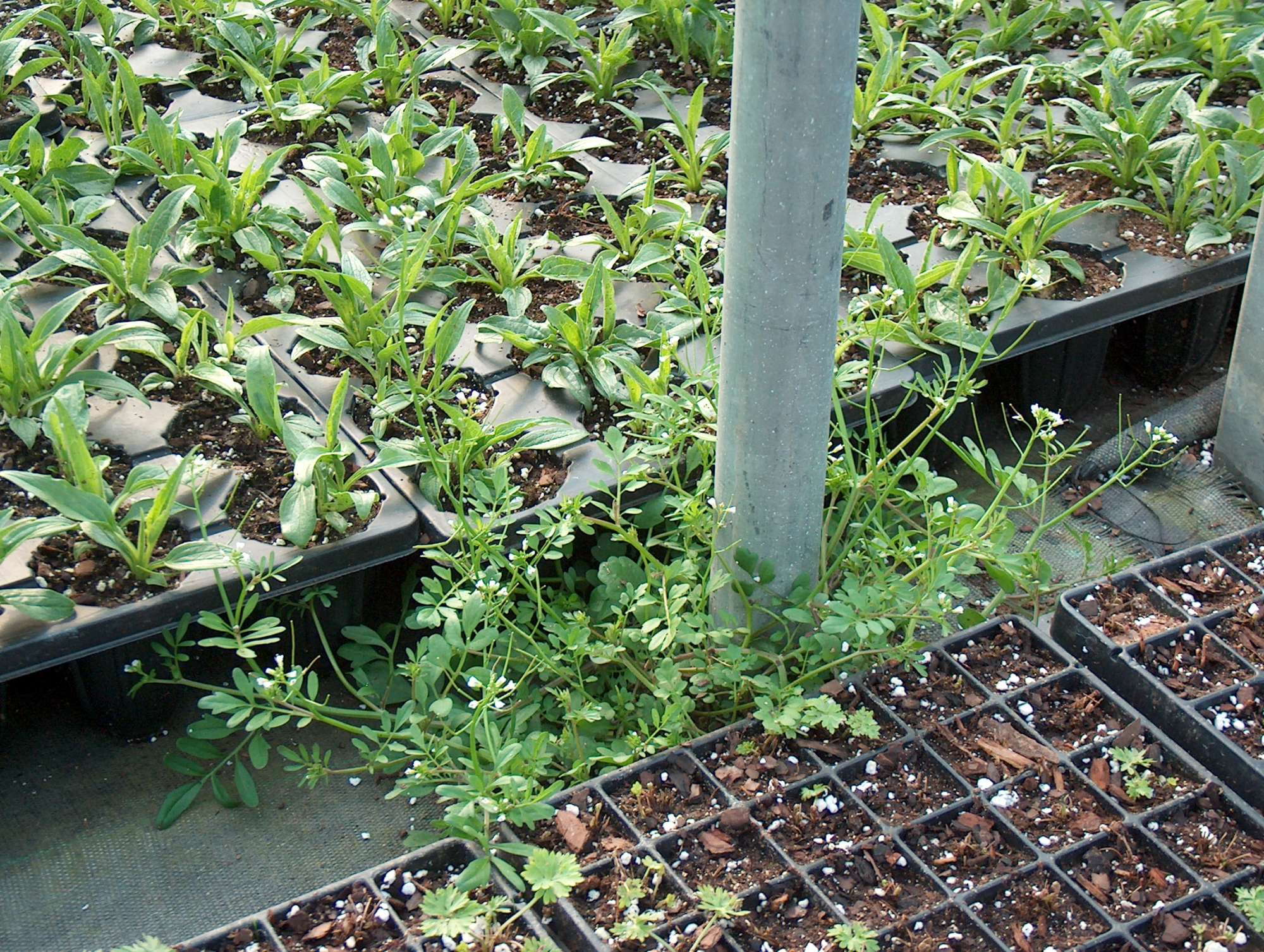
The University of Florida is offering a new online training course covering weed management in the greenhouse. The course offers Continuing Education Units (CEUs) for growers in many states.