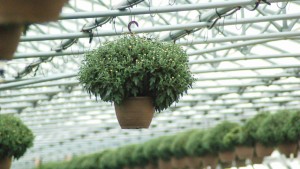
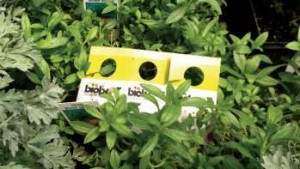
For some companies, a switch to biocontrols is an easy decision to make. Parkway Gardens of Ontario, Canada, […]
Home improvement retailer Lowe’s companies announced April 9 that it has committed to eliminate neonicotinoid pesticides from its stores in a gradual phase-out over the next 48 months. In response, horticulture industry associations issued a statement that Lowe’s position is surprising, considering the most recent and positive reports on the state of honeybee health and recent peer reviewed research, and that this is an issue for which sound science must take priority.
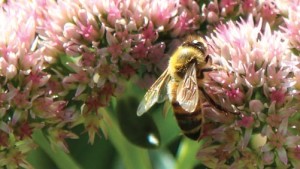
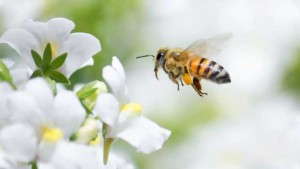
Bees stay safe and high quality crops thrive when you use bee-friendly practices designed to help both succeed. Griffin Greenhouse Supply Pro (GGSPro) has been actively discussing bee-friendly pesticide use for years. Based on its current understanding of the science and social factors at play, GGSPro currently recommends these 10 bee-friendly practices.
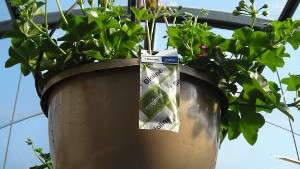
Have you incorporated biocontrols into your greenhouse operation? If so, you’ve got plenty of company. An anonymous online survey by Greenhouse Grower magazine in December 2014 of more than 156 ornamental plant and flower growers across the U.S. found 81 percent used biocontrols in 2014.
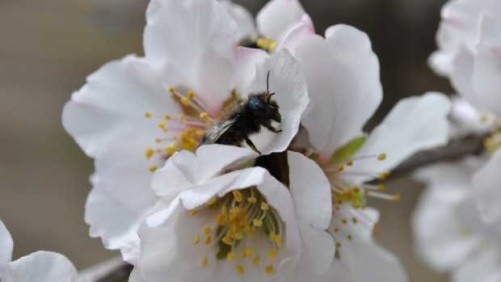
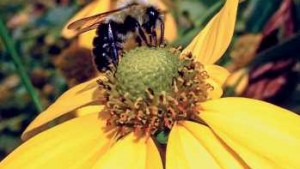
The American Floral Endowment (AFE) is funding a new research project to examine the health of honey bees on ornamental plants following treatment with neonicotinoids and other systemic insecticides.
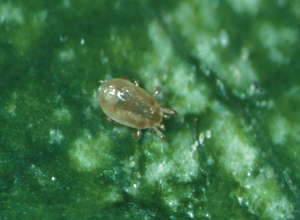
Through acquisitions and new products, many crop protection companies are making firm commitments to the future of the biocontrols industry.
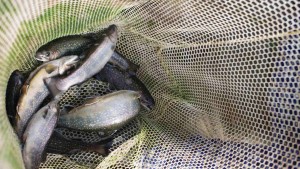
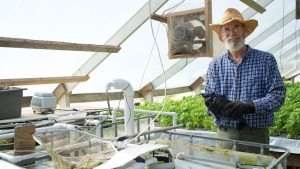
Are you curious about expanding into aquaponics? From pest control to equipment, Bob and Jesse Kilgore of Brogue Hydroponics offer 10 factors you need to consider.
The owners of Brogue Hydroponics explain why they expanded into aquaponics, and how the shift has helped them uncover a new market opportunity.
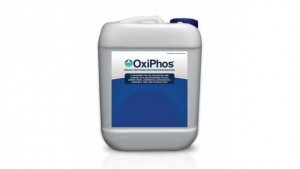
There have been some recent label changes made to the BioSafe Systems product OxiPhos, a systemic bactericide/fungicide that reduces downy mildew spores when tank mixed with ZeroTol 2.0.
Nufarm Americas announced label expansions for two of its fungicides that will provide more pest management options for the ornamental industry. The Cleary 3336 F and EG fungicides are now registered for use across a wider range of edible crops, including select greenhouse vegetables and transplants, herbs and backyard fruit.
The Horticultural Research Institute will grant $125,000 in financial support for four key projects as part of the Horticultural Industry Bee & Pollinator Stewardship Initiative. The Initiative has three primary goals. First, to convene a task force to develop a bee and pollinator stewardship program, including creation of best management practices for plant production. Second, to identify and fund research that will help answer key science questions and fill gaps needed to design and refine the stewardship program. Third, to seek to positively position the horticultural community and its customers by collaborating with other compatible groups interested in augmenting pollinator habitat and protection.

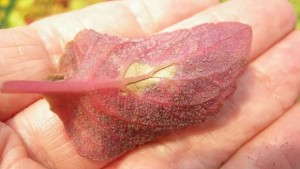
Maintaining awareness of coleus downy mildew is more important than ever to safeguard these attractive plants for reliable garden performance.
AmericanHort and the Society of American Florists are working tirelessly with the ornamental industry’s Pollinator Stewardship Initiative on a number of new projects.