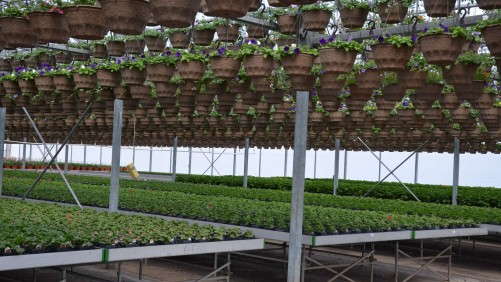
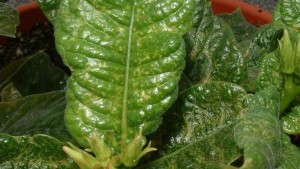
Impatiens downy mildew is a fast-moving disease that can quickly go from bad to worse if conditions are right. In case you missed it, here are some of the highlights from Ann Chase's (Agricultural Consulting) downy mildew update at Cultivate'14.
Spider mite resistance is becoming an increasing problem in greenhouse production. Scouting, biocontrols and miticides can help you take back control of spider mites this summer.
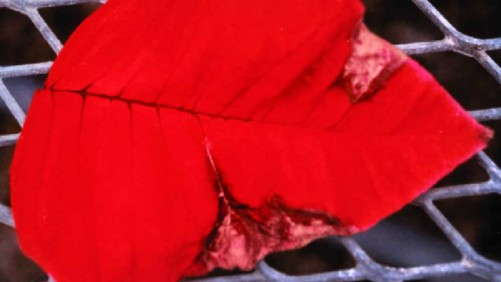
Phytophthora is the number one disease of floriculture and nursery crops nationwide. Here are some effective measures growers can take to reduce the occurance of this pathogen, known as “the plant destroyer.”
Biocontrols can be very effective when the greenhouse operator makes a serious commitment to using them for integrated pest control. See how Parkway Gardens has successfully used biocontrols for the last nine years.
The new miticide provides a novel mode of action, with active ingredient cyflumetofen, for use in greenhouses, nurseries, landscapes and interiorscapes.
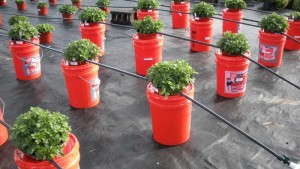
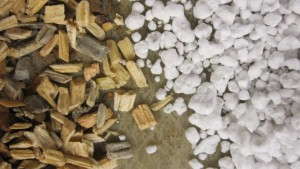
This is the third article of the four article series highlighting the production and use of pine wood chips as aggregates in greenhouse substrates. We found growers do not need to adjust their production practices when 20% pine wood chips are utilized as a perlite replacement.
Syngenta’s launch of Bioline Biological Control Agents with its crop protection products and as part of an Integrated Crop Management program last year has paved the way for integrated pest control on all fronts.
In some greenhouses, western flower thrips are becoming more difficult to control due to high levels of resistance to some insecticides. Be sure to always rotate the modes of action of pesticides.
Bachman’s, a wholesale nursery and retail business based in Minnesota, has taken measures to address the steady decline of bees and other pollinators, including eliminating the use of neonicotinoids in some of its own production.