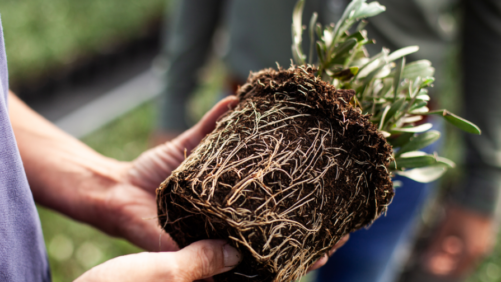
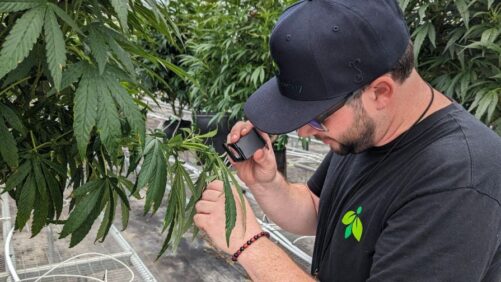
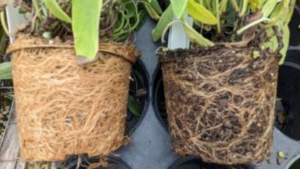
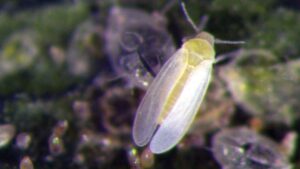
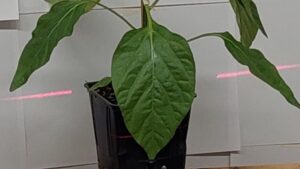
Impello Biosciences has signed a cooperative research agreement with the Horticulture Center at Colorado State University to bring biologicals into a new, data-supported era.
BASF has received new label registration for its Velifer Bioinsecticide/Miticide, which allows greenhouse growers to use the product in soil-directed sprays and now in dips and drench applications.
Thanks to a generous gift by Ken and Deena Altman and an education grant from the American Floral Endowment, this year UF has added three new courses to the program.
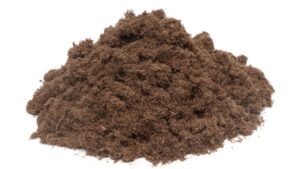
Jeff Langner of Profile Products offers insights on current market conditions and how growers of all sizes can improve their production practices with both peat moss and other materials.
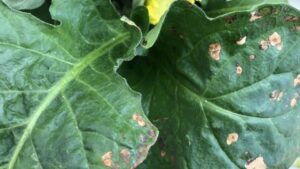
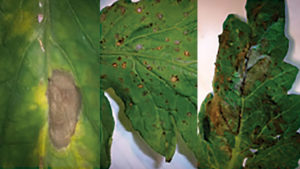
Botrytis can persist in the greenhouse on plant debris under benches as well as actively growing plant tissues, which makes sanitation and scouting key in the management of this disease.
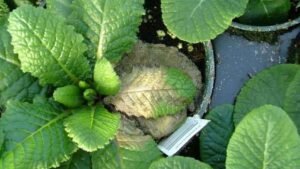
The CE-Line system schedules testing of different sources throughout the day, measuring both macro and micronutrients, with accurate data provided within an hour.