The start of a new year is a good time to double check your irrigation system to make sure your crops receive the best quality water they can for optimal growth.
Dramm recently updated its MistTime10 misting controller to include a manual cycle that can be run anytime a grower feels an extra shot of mist is required.
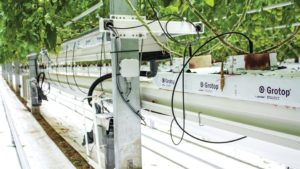
The boom system in place at Delaware, OH-based Foertmeyer & Sons, developed by Damatex Control Systems, provides more flexibility in growing and irrigating several crops in one area.
Beginning on Jan. 24, experts from Clean WateR3, a federally-funded research team, will present topics that are focused on helping growers reduce, remediate, and recycle irrigation water.
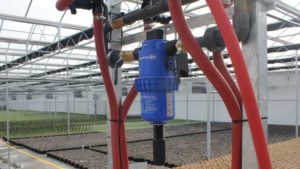
An injector automates the process of applying plant additives and chemicals, reduces the amounts used with consistent results, shrinks labor costs associated with traditional spraying methods, and minimizes human exposure to treated areas.
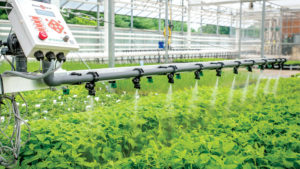
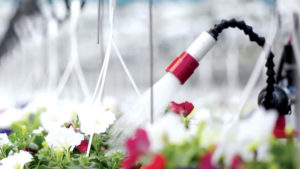
From microsprinklers to nozzles to pressure regulators, irrigation suppliers are focused on helping growers save water and control the flow of their irrigation systems. Here’s a look at some of their latest offerings.
This article is the fourth in a series of case studies designed to help growers Reduce, Remediate, and Recycle irrigation water as part of a multi-state research grant.
Water-mold pathogens cause significant crop losses and reduce floriculture crop quality. Take measures in your greenhouse to prevent the spread of diseases like Phytophthora and Pythium.
One challenge with growing English lavender is managing soil moisture. Researchers find out how much drought ‘Hidcote’ and ‘Munstead’ lavenders can tolerate.