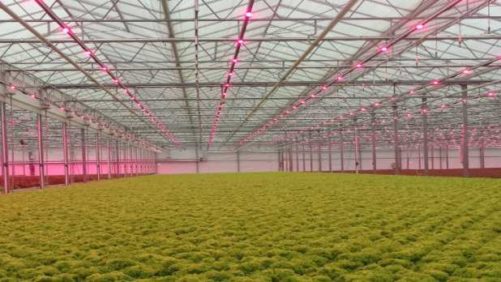
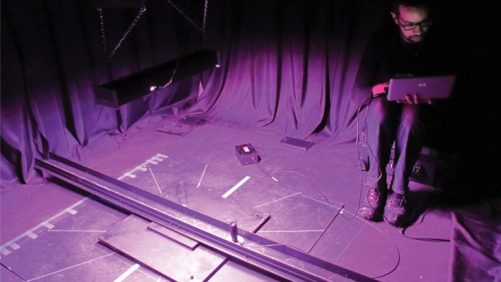
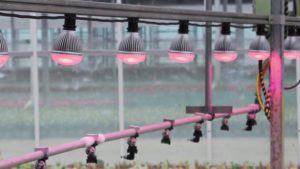
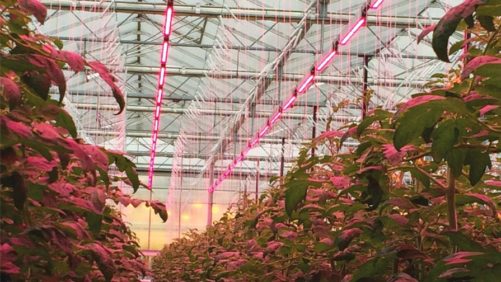
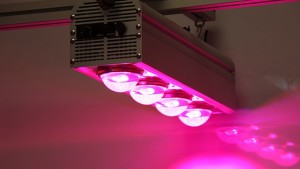
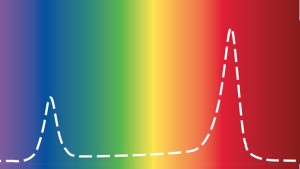
As the use of LEDs has risen among greenhouse growers, so have concerns about the best way to measure and compare the many LED light products across the market. As a result, the lighting industry is responding to a call for greater transparency and the development of standardized measuring and testing methods.

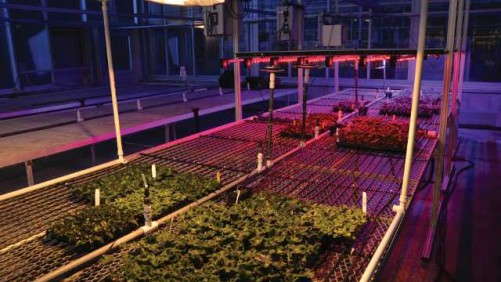
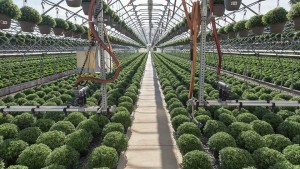
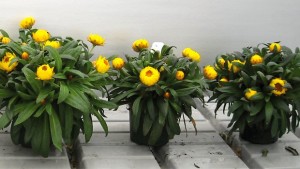
Researchers determine how sole-source LED lighting can be used effectively for the production of bedding plant seedlings.
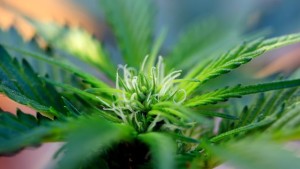
The cannabis industry has moved out of the basement and into the light, and with this shift in politics and regulation occurring worldwide there is a need for growers to change the way they think about lighting and energy consumption.
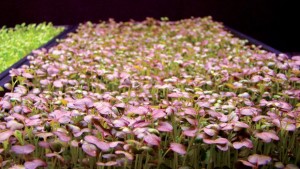
In Part 3 of a four-part lighting series highlighting the multiple uses of light-emitting diodes (LEDs), researchers examine the effects of sole-source LED lighting on microgreen production to achieve the highest quality crop possible in an energy efficient manner.
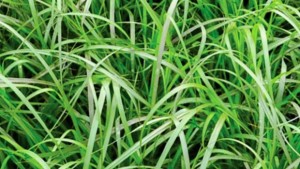
Do you find that your purple fountain grass (Pennisetum setaceum ‘Rubrum’) crop is often green to light purple? […]
Fertilizing bedding plants can be difficult due to the differing needs of the large variety of plants that we […]
In the first of a four-part series highlighting the multiple uses of light-emitting diodes (LEDs), researchers share how end-of-production supplemental lighting with LEDs enhances red leaf lettuce color prior to harvesting and shipping.
Peace Tree Farm was looking for a way to maintain beneficial insect populations through the winter. It found a potential solution through the use of rotating HID lighting.
Industry members are invited to attend a July 28 meeting to discuss horticultural lighting standards for light-emitting diodes (LEDs), facilitated by Michigan State University (MSU). The two-hour roundtable discussion will take place during the American Society for Horticultural Science (ASHS) annual meeting in Orlando, Fla.
Philips recently organized the International High Wire Event for the first time. The event was held in the Netherlands for a select group of international tomato growers, and included practical visits and opportunities for exchanging know-how and experience.
In line with a growing trend among forward-thinking greenhouse farm operators, Clean Fresh Food of Wisconsin installed energy-efficient greenhouse lighting to achieve healthy, year-round crop growth.
Canada-based Conviron and Valoya of Finland recently announced an agreement for the distribution and integration of Valoya LEDs into Conviron growth chambers and rooms. Conviron is now the exclusive distributor of Valoya’s products to seed and biotech companies, government institutions and universities in North America, India, Australia and Brazil.
Anthurium plants produced in light-diffused greenhouses equipped with Svensson’s Harmony screens were ready for sale at 16 weeks compared to the normal 22 weeks.