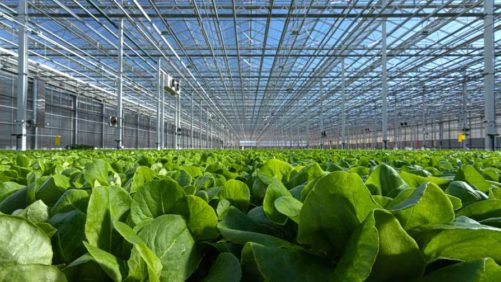
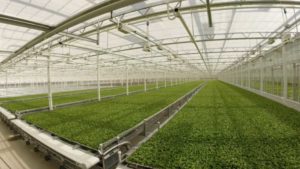
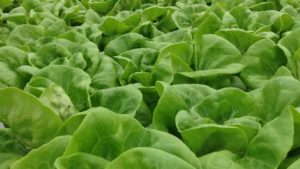
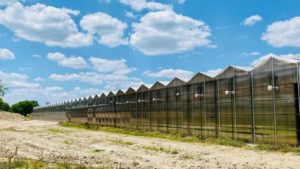
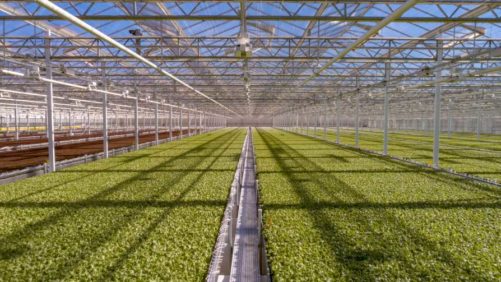
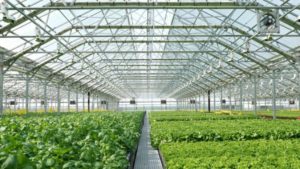
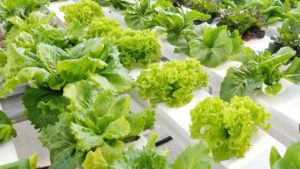
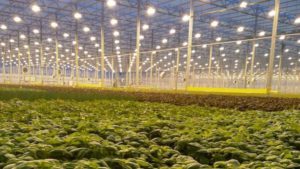
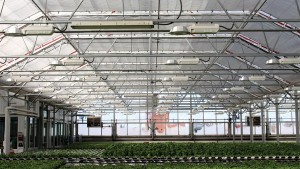
Little Leaf Farms has responded to increased demand for locally grown produce by doubling its growing capacity with a broad expansion across the East Coast.
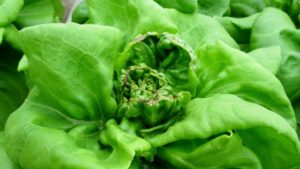
Through proper cultivar selection and periodic testing, leafy greens growers can avoid tipburn and make sure they are producing a healthy product.
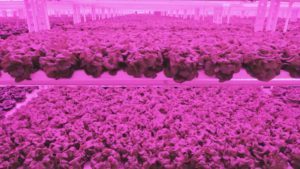
More fresh produce could be grown with less energy, making the process more sustainable. Here’s how.
Did you miss our series on the importance of food safety in controlled-environment lettuce production? Here’s your chance to get caught up.
Use these problem-solving strategies to identify and correct calcium deficiency and tip burn, resulting in a healthy, productive crop.
In the first of a three-part series, Greenhouse Grower looks at the formation of the CEA Food Safety Coalition and its benefits.
Learn more about what’s to be the largest facility of its kind in the Lone Star State.
Revolution Farms in Michigan is adding 2 acres of completely automated salad greens production, which will allow the operation to up its game.
A new 280,000 square-foot greenhouse will add to the company’s growing network of local, sustainable greenhouses that will reach thousands of supermarkets between Maine and Georgia.
The company recently opened a new 30,000 square-foot production facility that will produce two new lettuce varieties and serve retailers in seven states.
The lettuce you’re growing in a greenhouse may soon include additional nutritional components, offering even more value to consumers who desire local foods.

When choosing what selections to grow, take these six considerations into account.
Learn plans for a new state-of-the-art facility capable of producing more than 11 million heads of lettuce per year.