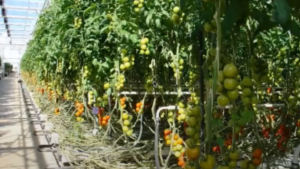
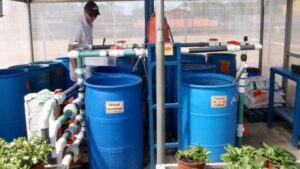
The CE-Line system schedules testing of different sources throughout the day, measuring both macro and micronutrients, with accurate data provided within an hour.
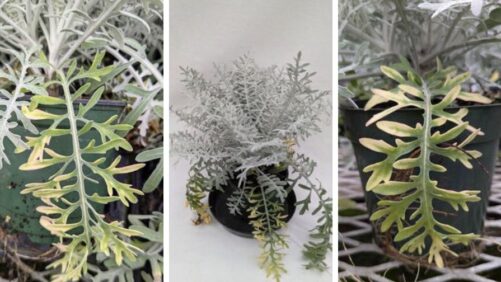
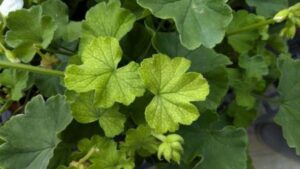
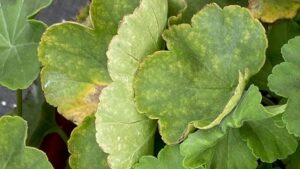
Interveinal chlorosis of the upper foliage can be a result of many factors including insufficient iron fertility, high pH, and overwater resulting in iron deficiency symptoms.
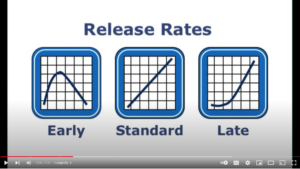
Nutricote controlled release fertilizer has a predictable release curve proven to consistently deliver essential nutrients to crops during their entire growth cycle.
Pursell Agri-Tech LLC and Marion Ag Service Inc. have formed a strategic marketing agreement that will extend availability of controlled-release fertilizer and delivery technology in several western states.
An American Floral Endowment webinar on April 18 will offer an overview of different fertilizers on the market, as well as best practices and recommendations.
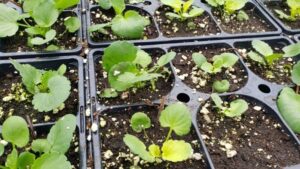
Controlled-release fertilizers can be either incorporated or top-dressed for containerized crop production, and proper application procedures and methods will determine success.
Because poinsettia is a longer crop than most grown in the greenhouse, it can come with additional challenges. One of these challenges is fertilization.