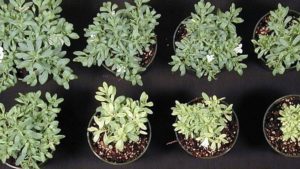
The quality of water and nutrient solution used in controlled environment agriculture is one of the most important factors that affect plant health and yield.
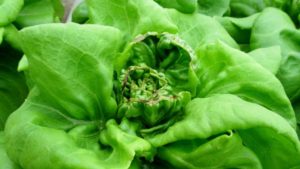
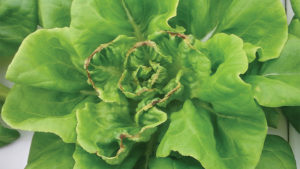
Excess nitrogen levels result in undesirable shoot growth and increased susceptibility to insect pests, affecting the growth and quality of many crops.
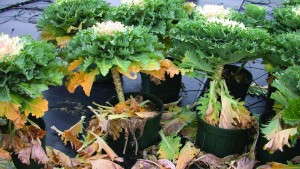
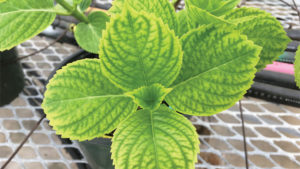
Geraniums grown in substrates below an optimal pH range will exhibit chlorotic leaf spotting between veins, interveinal chlorosis, and marginal and leaf necrosis of the lower foliage.
In part two of this five-part series about the tools you need to keep track of your greenhouse environment, learn about the various methods for tracking pH and EC.
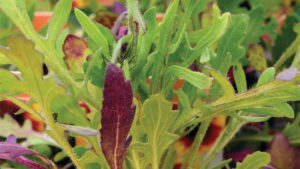
Regardless of your production challenges, keeping containerized herbaceous perennials healthy is as simple as understanding the basics of their nutritional needs.
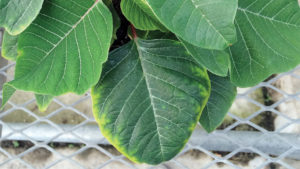
Proper nutrition is a critical part of successful greenhouse production. Managing these three key elements properly will keep your poinsettia crops healthy and strong.
The University of Florida (UF) Institute of Food and Agricultural Sciences is offering an Advanced Nutrient Management course through its online greenhouse training program.