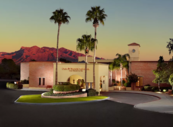
Now is the time to start making plans to attend the National Greenhouse Manufacturers’ Association’s Spring Meeting, which will take place April 10-12 in Tucson, AZ.
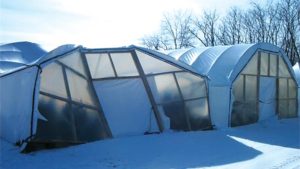
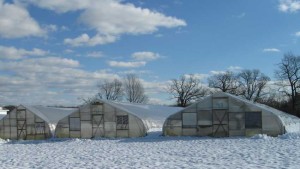
Storm damage not only has the potential to reduce your greenhouse to ruins, but will result in a devastating loss of crops. Beyond the structural integrity of your greenhouse itself, there are measures that can be taken to storm-proof your greenhouse or high tunnel.
An early look at 2016 State of the Industry results shows why some growers are looking to add or retrofit structures in the coming year.
Lost heat, maintaining an ideal greenhouse temperature, and inefficiency in heating systems are three of the most common problems growers face when it comes to heating. Here’s a look at some ways to overcome these challenges.
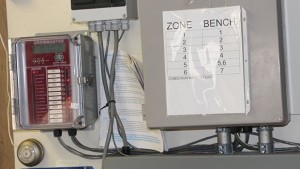
The size of a greenhouse operation is one of the biggest factors when determining the type of electrical system to install. Part 2 of “Don’t Let Your Electrical System Come Up Short” covers locating electrical wires, meeting electrical load demands and environmental considerations.
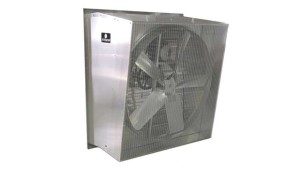
Schaefer Ventilation Equipment, a manufacturer of ventilation and thermal comfort products, has opened a new distribution center in Atlanta, Ga., to increase efficiency and provide faster services to dealers. Additionally, the company has added a new staff member to its agricultural and horticultural division to help expand markets in Latin America.

Ensuring your greenhouse has enough electricity to operate all the equipment that is installed takes planning and consideration of an operation’s needs. Part one of two articles on greenhouse electrical systems covers choosing an electrician, meeting immediate and future needs and planning for back-up power.
GGS Structures showed support for the Canadian military by opening up its fabric-covered Tasco Dome for tactical training to help soldiers prepare to fight in urban settings.
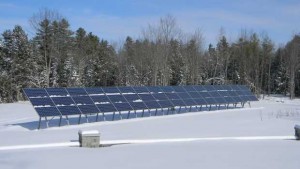
With the help of federal funding, Cozy Acres Greenhouses was able to take a greener approach to its latest expansion, building a zero emissions greenhouse that operates year round.
Energy efficiency building codes that greenhouses are required to meet could soon be much more stringent, unless the National Greenhouse Manufacturers Association is successful in its bid to gain exceptions on greenhouse owners’ behalf.
One way to reduce energy-related costs in the greenhouse is to conduct self-audits on a regular basis. These energy audits allow growers to identify potential savings by checking various production systems. To ensure your operation is running efficiently, check out these resources for help with your energy audit.
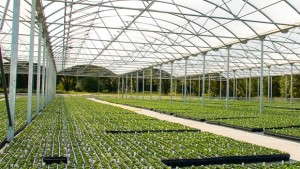
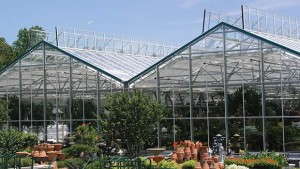
Selecting the right structure for your operation can be difficult. With so many options, it’s easy to feel overwhelmed. The good news is that greenhouse manufacturers are experienced in the art of matching customers with the ideal product. Here’s their advice for how to pick your next structure.
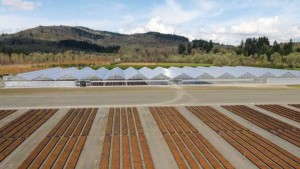
In order to meet its customer’s increasing demands for domestic blueberry production in the United States, Fall Creek Farm and Nursery needed much more indoor growing space. The company selected Conley’s for a recent expansion of Conley’s Gable Series 7500 in a two-phase project. The first 14-greenhouse range sold by distributor Horticulture Services, measures 170,000 square feet in size and finished construction in 2013.