AmplifiedAg, Inc. has released its first Sustainability Impact Update, outlining the company’s operations and impact evaluation.
Businesses are making sustainability a priority as the controlled-environment agriculture (CEA) industry evolves.
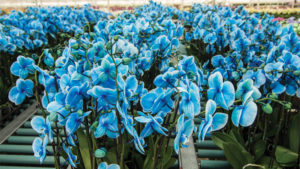
Solar panels, energy curtains, and a robust offset program have combined to reduce Westerlay Orchids’ carbon footprint by 43%.
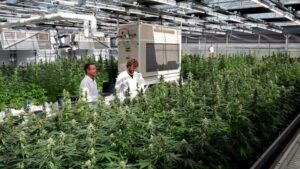
Phylos is projecting a reduction of total energy use by 36% due to the significant improvements and automation made to its facility since the conversion to a greenhouse cultivation operation.
Glass House recently partnered with Seinergy to conduct an in-depth analysis of its environmental footprint.
Montana-based indoor agriculture company Local Bounti Corporation has joined the United Nations Global Compact, the world’s largest corporate sustainability initiative.
A new website from AskGrowers provides information on the environmental impact that cannabis brands, growers, and consumers have on the planet.
On Sept. 30, 2021, experts from around the world will evaluate sustainability in horticulture, how we can measure progress, and what the future holds.
As the world opens back up from the pandemic, forming a new green business model is the next challenge for horticulture companies.
Following a new trend of repurposing shipping containers, Auburn University has built a vertical farm for on-campus use.
Around 70% of the world’s agricultural water is surface water, which increases the risk of clogging. AlphaDisc is designed to reduce the risk of clogs.

Eco Wraps are a sustainable alternative to standard plastic wrappings
As an alternative, sustainable energy source, geothermal has good potential for use in controlled-environment ag.