Technology
Lessons Learned from Greenhouse Control System Upgrades
April 27, 2021
With AI tech already entrenched in everyday activities, Greenhouse Grower Editor Janeen Wright finds it odd to see some questioning its long-term viability as an ag or greenhouse tool.
Selecting quality construction materials, managing air infiltration, and using active controls are all keys to efficiency and yield.
Learn more about a $9 billion startup that aims to let growers and consumers trace food from planting to the plate.
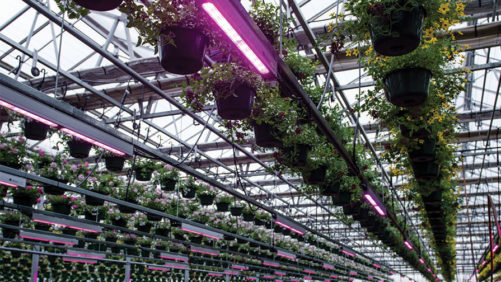
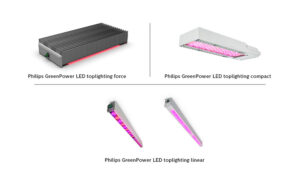
Signify also has improved the efficiency of its current line of greenhouse lighting products.
Learn from the winner of the first Autonomous Greenhouse Challenge how AI can be used to support decision-making and empower growers in a meaningful way.
The Eighth Annual Salinas Valley Ag Tech Summit takes place virtually March 18-19.
Svensson has introduced a line of Xsect insect control screens that are engineered to keep harmful insects out of the greenhouse and keep beneficial ones in.
The DesignLights Consortium has released the second draft of its updated Technical Requirements for Horticultural Lighting.
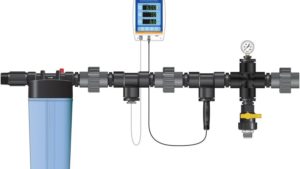
The primary benefit of smart fertigation or nutrient dosing systems that they allow growers to deliver a precise amount of nutrients automatically.
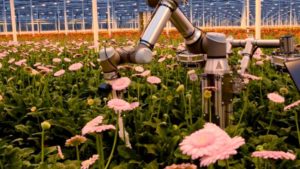
A gerbera has a thin, long stem, which means the robot must gently hug the stem and then descend down to the best place to harvest the stem.
Learn how being able to listen to your crops’ needs is coming to fruition.
On opposite sides of the country, two leading growing operations have made improvements to their irrigation systems, with positive results.
Syngenta Crop Protection is collaborating with Insilico Medicine, an artificial intelligence company, to accelerate the invention and development of new, more effective crop protection solutions.