



What Breeding Priorities Look Like in Plants
Plant breeding has never operated in a vacuum, but heading into 2026 and beyond, the pressures shaping new variety development are becoming more clearly defined. Climate volatility, shifting consumer lifestyles, rising production costs, and logistical realities are converging to influence what breeders prioritize, what makes it to market, and what ultimately succeeds at retail.
To better understand where breeding is headed, we asked breeders across the industry a simple question: What two to three trends do you feel will shape plant breeding in 2026 and beyond? Their responses revealed a set of common themes that cut across crops, categories, and company size.
Compact Living, Compact Plants
Petunia CannonBall™, Calibrachoa Conga™, Lantana Little Lucky™ – compact, small-space versions of the classics shoppers love . | Ball FloraPlant
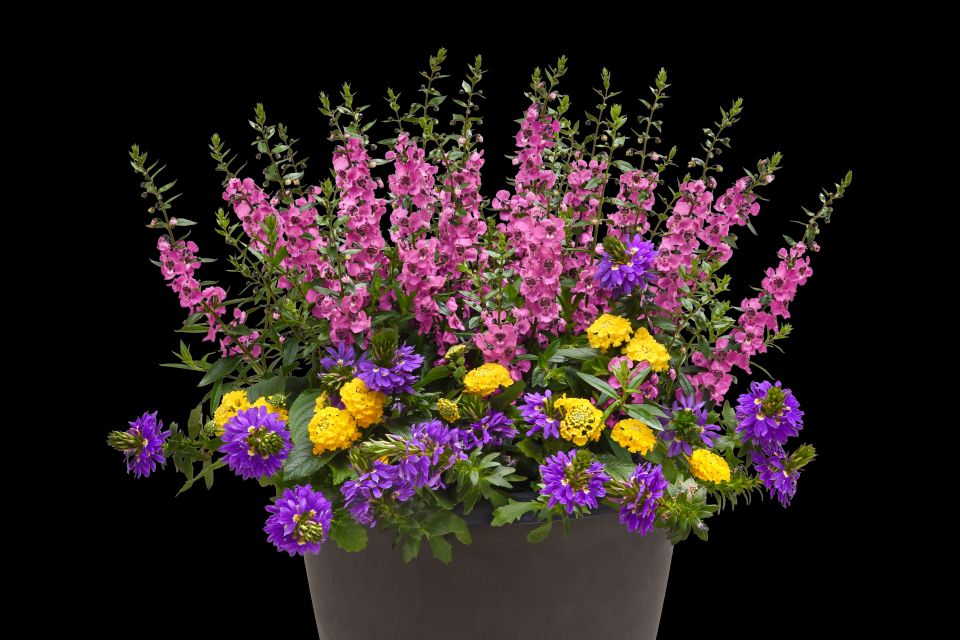
Smaller gardens and out-door spaces continue to shape breeding decisions, especially in containers and shrubs. As urban density increases and more consumers rent rather than own, demand for compact, container-friendly plants continues to grow. Ball FloraPlant product managers point to shade tolerance and small-space performance as increasingly important traits, especially for patios and balconies with limited light.
Kip McConnell of Plant Development Services reinforces this trend with data showing strong demand for compact shrubs that fit smaller lots and container gardening lifestyles. Breeding programs are responding with plants that stay small by design, not by maintenance. At the same time, personalized mixes and pre-designed combinations are gaining traction, reflecting a desire for maximum impact in limited space
One Plant, Many Climates
Breeding for broader geographic adaptability is becoming both more important and more complex. North America’s vast range of climates makes “one-size-fits-all” breeding a significant challenge, but also a major opportunity. Hayes points to Osteospermum as a prime example of how breeding has expanded the usable range of a crop originally adapted to cooler conditions into hotter, more humid regions.
Several breeders echoed the need for varieties that perform consistently across zones, reducing risk for growers serving national or multi-regional retail programs. Sakata’s SuperCal petunias and Syngenta Flowers’ Sunfinity sunflowers illustrate how breeding efforts are increasingly focused on wide adaptability paired with predictable performance. This trend also reflects logistics. Varieties that can ship well, hold at retail, and succeed across regions reduce complexity throughout the supply chain.
Native Appeal, Ecological Value, and Pollinator Support

Plants for pollinators. | Darwin Perennials
Ecological awareness is shaping breeding goals, even as definitions evolve. Native plants and pollinator-attractive varieties were cited repeatedly as ongoing and accelerating trends. Justin Wisniewski of Must Have Perennials notes growing momentum around “nativars,” as breeders work to balance ornamental value with ecological function.
Emerald Coast Growers highlights breeding efforts to enhance ornamental traits in native grasses such as Panicum and Schizachyrium, while also addressing concerns around infertility in Miscanthus and Pennisetum to reduce self-sowing.
Darwin Perennials expands the conversation to value-added traits, such as plants that support butterflies, hummingbirds, and other wildlife, while still fitting modern production and retail systems. Across responses, the emphasis is on plants that do more than look good.
Bigger Plants Are Making a Comeback

Black-eyed Susan Rudbeckia hybrid Suntacular. | Darwin Perennials
While compact plants remain essential, Justin Wisniewski notes a noticeable swing back toward mid-height and taller perennials. Breeding over the past decade focused heavily on compactness, but that has left gaps in the landscape palette.
Darwin Perennials echoes this shift, citing renewed interest in plants that fill vertical space and provide structure. These larger forms complement compact assortments and offer designers and gardeners more flexibility, proving that not every successful variety needs to fit neatly on a cart.

Make sure to check out Part 1 if you missed it!
Subscribe to eNewsletter
