


Why 2026 is the “Year of the Sedum”
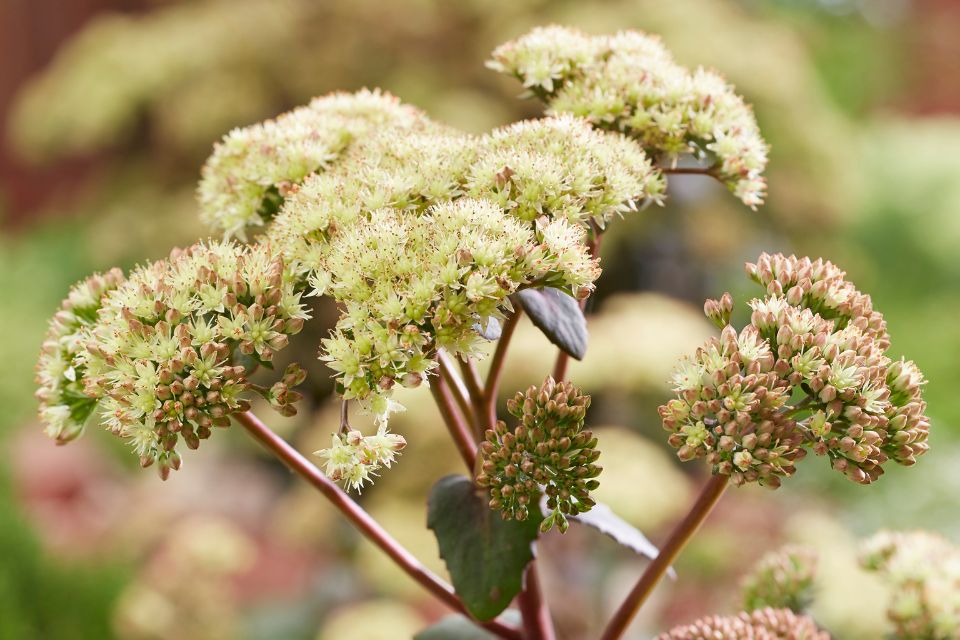
The National Garden Bureau (NGB) has announced that sedum has been named as its featured perennial for its 2026 Year of the Plant program.
View all
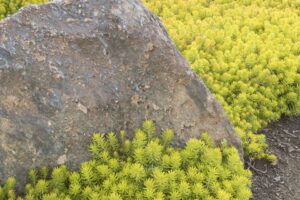
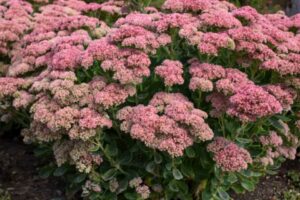
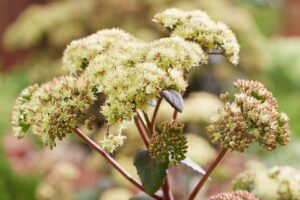
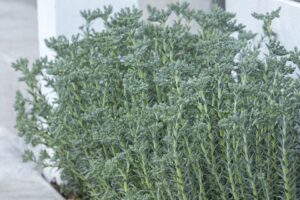
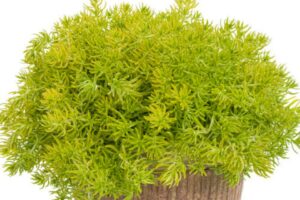
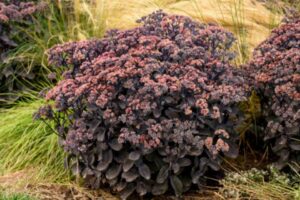
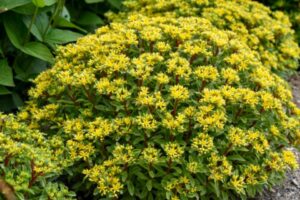
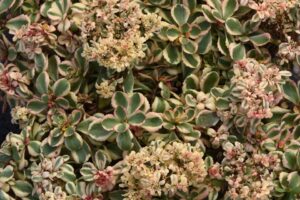
From sprawling groundcovers to upright clumps that anchor the fall border, sedum offers something for virtually every garden style and climate. The genus is available wherever perennials are sold and has built a loyal following among novice gardeners and seasoned landscapers alike.
A Genus Built for Real Gardens
Sedum is one of the broadest perennial genera in horticulture, with anywhere from 200 to 700 species depending on classification. Despite their diversity, most sedum share three key traits:
- A preference for full sun and well-drained soils
- Thick water-storing leaves
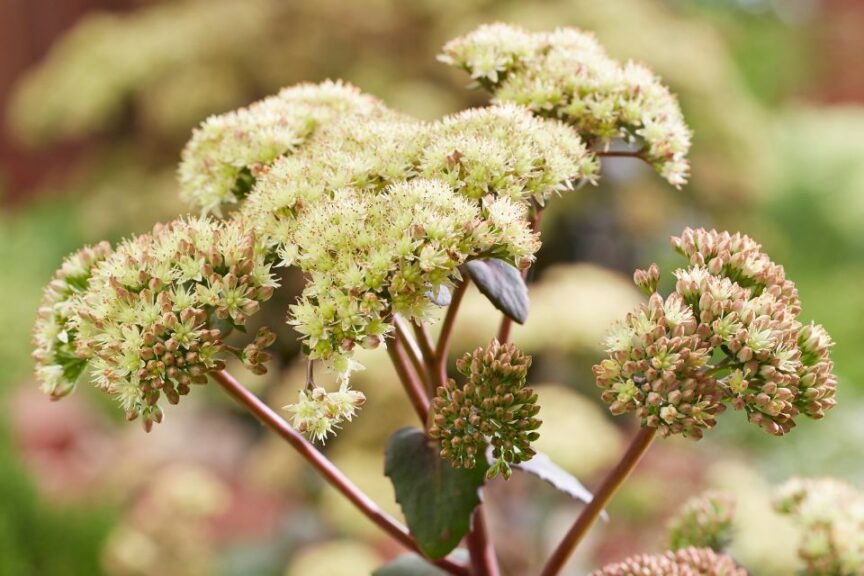
- Clusters of star-shaped flowers
Sedum also generally fall into three categories:
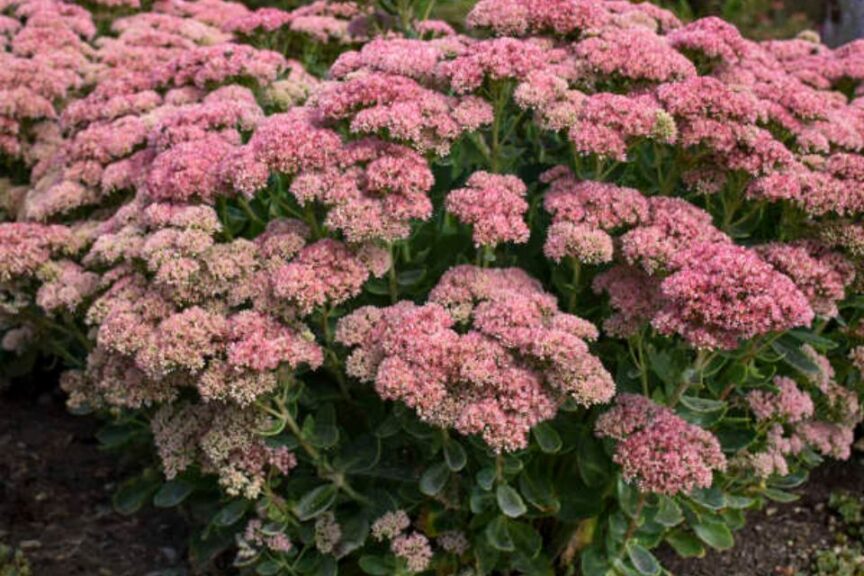
- Upright autumn stonecrops
- Compact clumping varieties that are ideal for garden borders and rock gardens
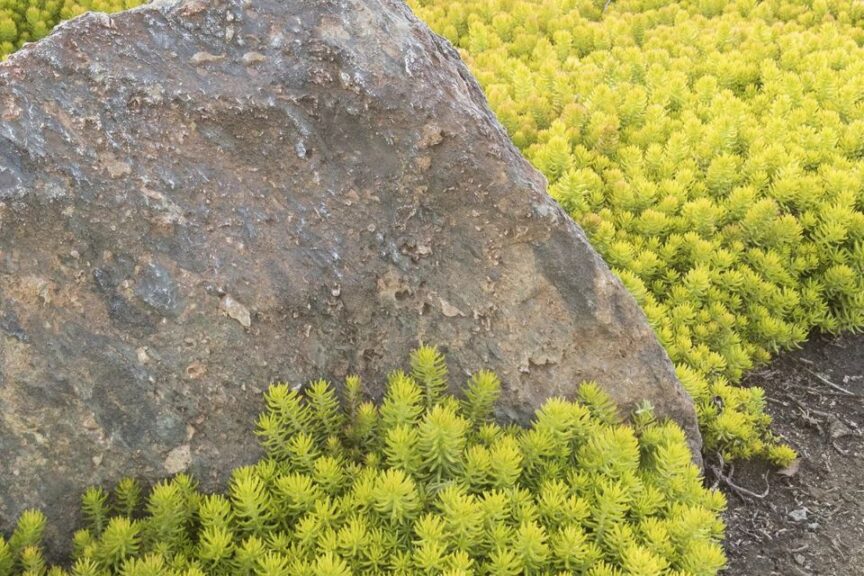
- Low-spreading groundcover types that form dense mats of succulent foliage
Easy to Grow, Hard to Kill
Sedum thrive on neglect. They prefer dry, well-drained soils and handle poor, rocky, and nutrient-deficient conditions exceptionally well. Overwatering is one of the few ways to trouble a sedum, as soggy soils can cause stretching, stem weakness, and foliage damage. In most cases, no fertilizer or soil amendments are necessary.
“The beauty of sedum is its resilience,” says Diane Blazek, Executive Director of the National Garden Bureau. “Over-fertilizing or over-watering can actually be detrimental. These plants are designed to be drought-hardy, storing moisture in their foliage to survive long periods without supplemental irrigation.”
Hardy across a wide range of climates — from Zone 3 to Zone 11, depending on species — sedum are also easily propagated by division, making them a generous plant for sharing with neighbors and fellow gardeners.
Their late-season blooms are a valuable resource for pollinators, attracting bees and butterflies at a time when many other garden plants have finished flowering.
Sedum Varieties Worth Knowing
The Year of the Sedum celebration highlights a range of standout varieties, including:
Sedum hybrid ‘Autumn Joy’
A classic upright sedum with large flower heads that mature from pink to deep copper in fall. A reliable anchor in perennial borders.
Zones 3–9.
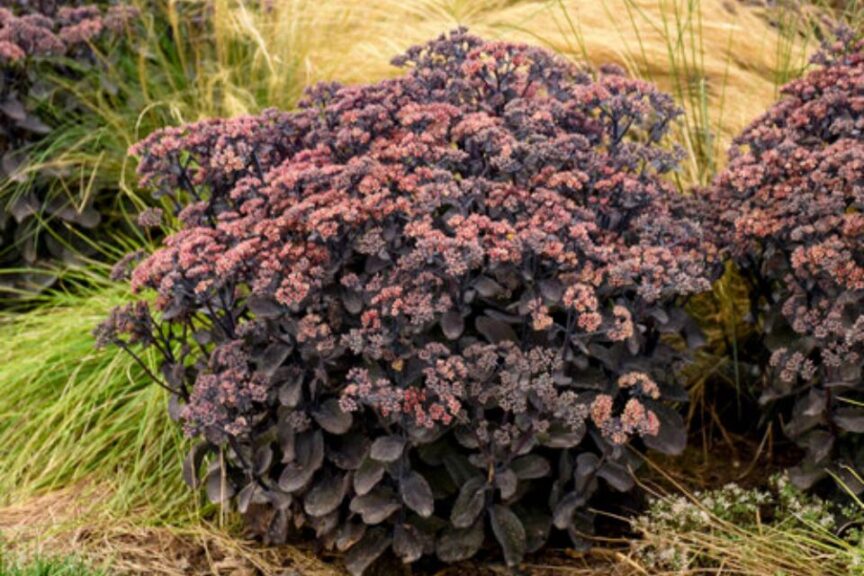
Sedum hybrid Rock ‘n Grow® ‘Back in Black’
Deep black-purple foliage contrasts with vibrant red flower clusters in late summer. Bold and sturdy.
Zones 3–9.
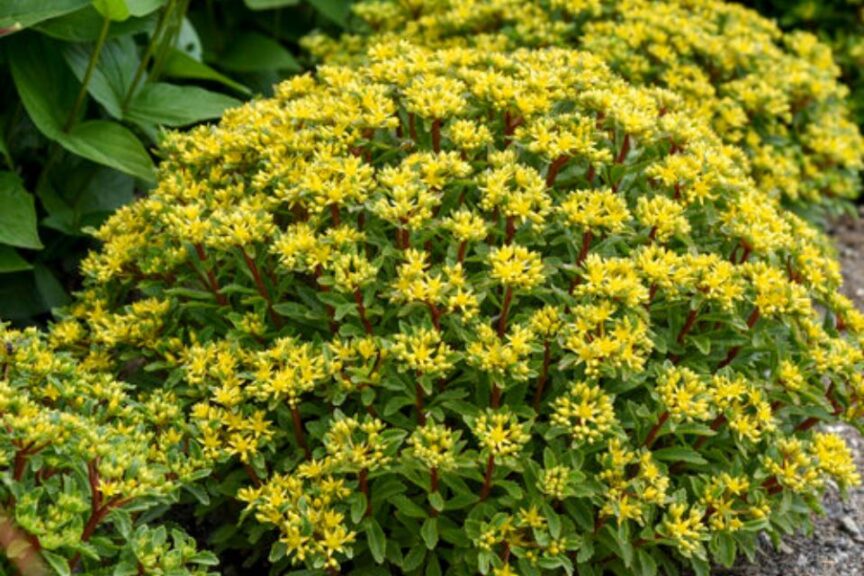
Sedum hybrid Rock ‘n Round® ‘Bright Idea’
Compact mounds of glossy green foliage with cheerful yellow flowers in midsummer. Perfect for the front of the border.
Zones 3–9.
Sedum hybrid ‘Banana Split’
Dark chocolate-burgundy foliage with creamy yellow flowers. Strong stems, compact habit, and good winter interest.
Zones 4–9.
Sedum rupestre ‘Angelina’
A fast-spreading golden-yellow groundcover that turns orange in cooler weather. Excellent for erosion control and rock gardens.
Zones 3–11.
Sedum reflexum ‘Blue Spruce’
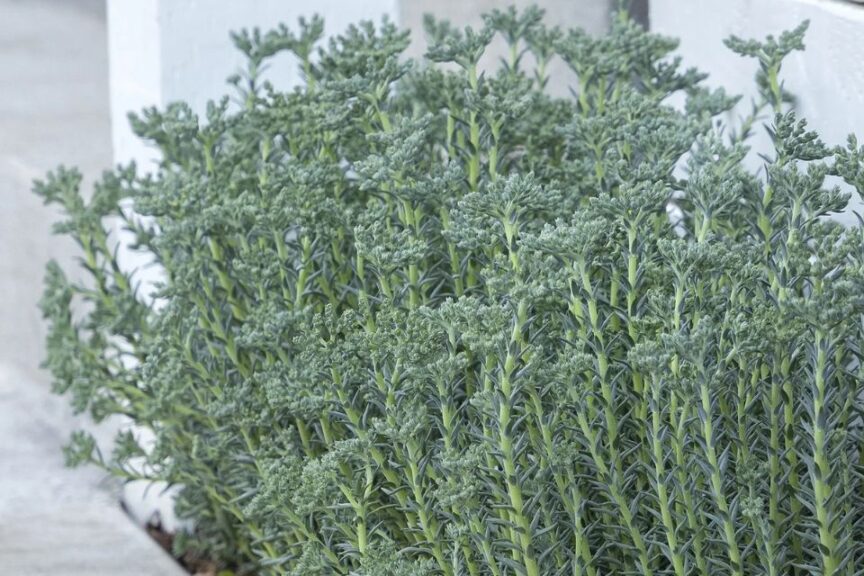
Blue-green, spruce-like foliage, this sedum forms a dense mat and produces yellow flowers in summer.
Zones 3-9
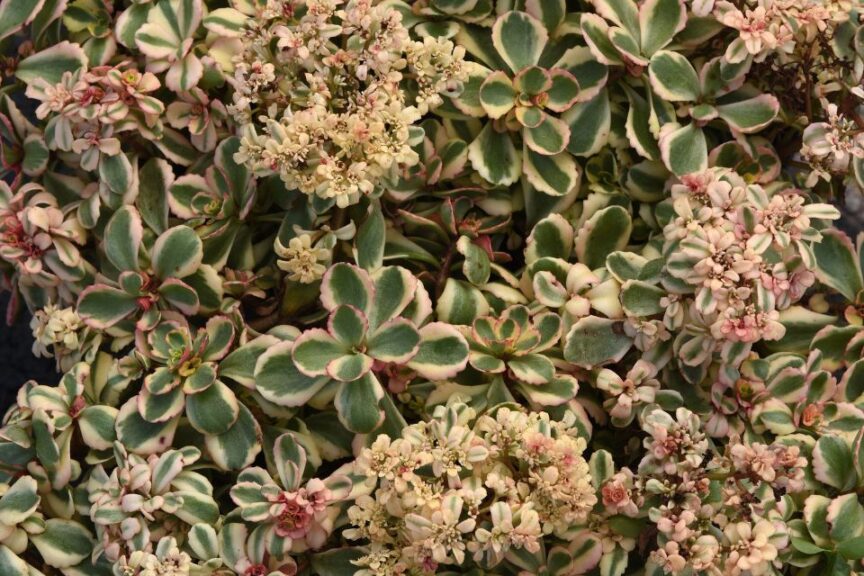
Sedum hybrid ‘What a Doozie’
White and green variegated foliage with blush and creamy pink flowers in fall. A standout spreader.
Zones 5–9.
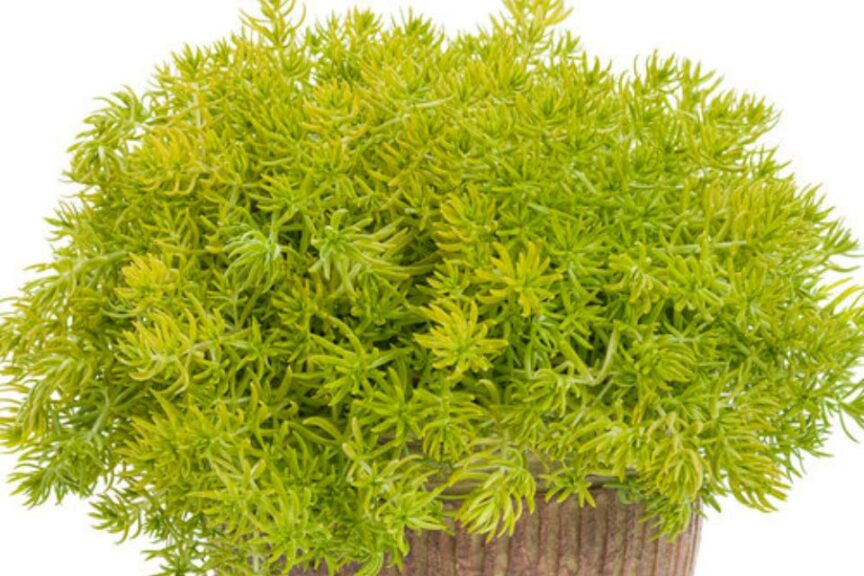
Sedum mexicanum ‘Lemon Coral®’
Vibrant chartreuse needle-like foliage that adds texture to containers and landscapes.
Zones 7–11; annual in colder climates.
For additional information and resources regarding the 2026 “Year of Sedum,” including a free eBook and plenty of expert “how-to” tips, please visit NGB’s “Year of Sedum” page.
Subscribe to eNewsletter