




What We Grow Matters
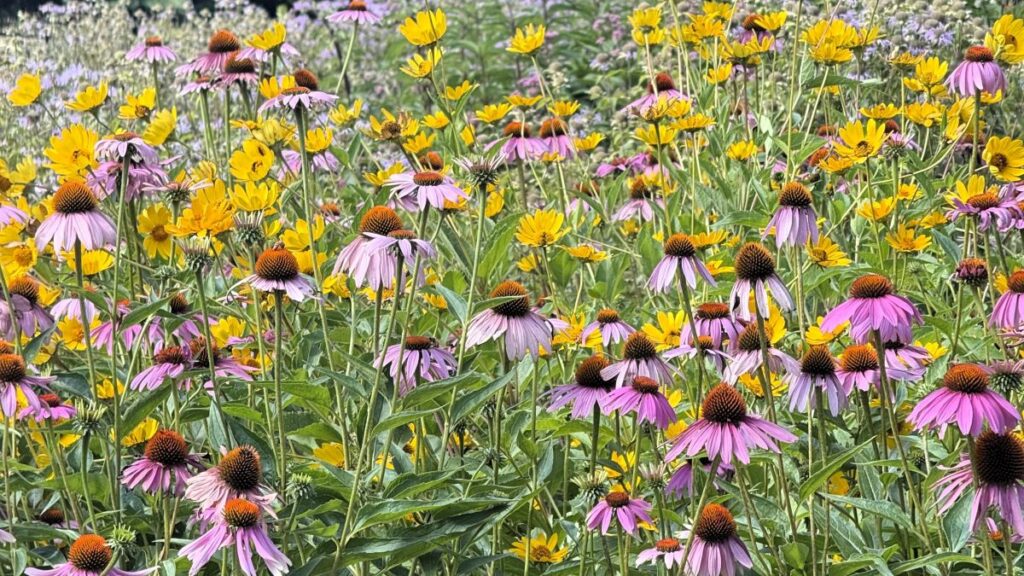
Purple coneflower and false sunflower fill Lynn O’Shaughnessy’s Circle Garden in Howell, MI, where she uses native plants to teach visitors about biodiversity. Purple coneflower supports bees and butterflies in bloom, while seedheads left standing provide food for birds into winter. | Marisa Reyes
I’ve seen a lot of plants in 2026, including new varieties and series, improvements to existing selections, and familiar favorites that reminded me why they are garden and landscape home runs. What catches my eye might not always catch yours, but most of us in horticulture are always scouting for a plant that brings something new to a category we love or solves a problem we’ve been working around.
As a horticulturist and gardener, I also want to know what a plant contributes once it reaches the landscape. How does it support wildlife, benefit the soil, or help someone make better use of their garden space? Those questions influence what I’m interested in growing.
“Plants with a purpose” has been a conversation in horticulture for a while, so it’s no surprise that gardeners want to bring home plants that do more than look beautiful. Whether they’re planting for pollinators, creating habitat, or growing food, people want to understand what their choices can accomplish.
I’ve been thinking about that connection while reading and reporting several of our recent stories. Spring Creek Growers, our 2026 Operation of the Year, built its Texas native plant program through years of observation, production trials, and partnerships with local native plant experts. Learning how to grow the crops was only part of the work; helping employees and customers understand them has been just as much a priority.
At the Chicago Botanic Garden, Ornamental Plant Breeder Justin Lombardoni considers ecological function when choosing breeding goals. My own reporting on native perennial introductions looks at the disease resistance, propagation, and production traits that help get promising plants into gardeners’ hands. There’s plenty of work behind making a native plant commercially viable while considering what it offers in the garden.
The reasons for doing that work extend beyond a growing market. Native plants support relationships between plants and wildlife, including caterpillars that depend on particular host plants and birds that feed on those insects or rely on seeds and berries for winter forage. Many native prairie grasses and wildflowers also develop extensive roots that help hold soil in place and contribute organic matter as they decompose. A plant can be doing valuable work that might not be obvious at first glance.
I’d like to see more of that information reach gardeners in a useful, specific way. Which insects does a plant support? Where is it native, and what conditions does it need? What should customers expect when it isn’t in bloom? Answering those questions can help someone choose a plant with confidence and understand what happens after they bring it home.
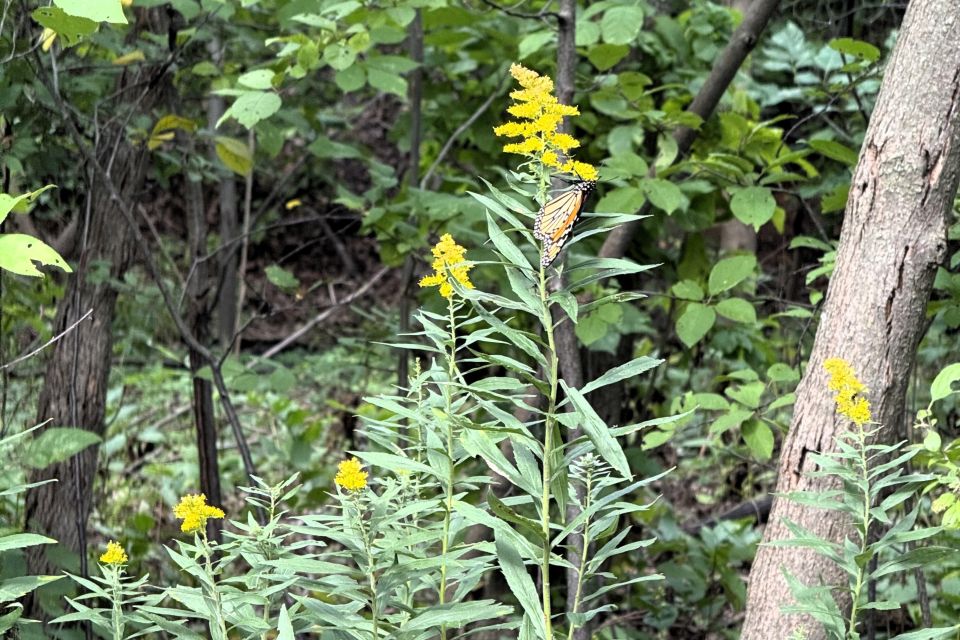
A monarch visits goldenrod (Solidago), whose late-season flowers provide nectar for butterflies and other pollinators. For migrating monarchs, fall nectar sources help build the energy reserves needed for overwintering. | Marisa Reyes
Growers have a direct role in making that possible through the crops they produce and the information they share with retail partners. Spring Creek’s use of staff training and tags that explain a plant’s landscape role shows how education can become part of selling the crop. That gives gardeners something more useful than a promise of beautiful flowers. It helps them understand where the plant belongs and what it can contribute.
There will always be another flower color or foliage trait that makes me stop for a closer look. Knowing a plant can also feed wildlife or help stabilize the soil gives me a reason to keep thinking about it and, often, a reason to grow it. As we plan future crops, I hope we give those qualities more room in the conversation.
Subscribe to eNewsletter