


California Spring Trials Through the Eyes of Two Horticulture Students
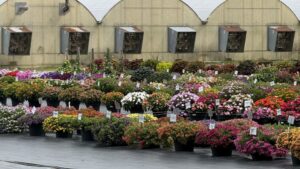
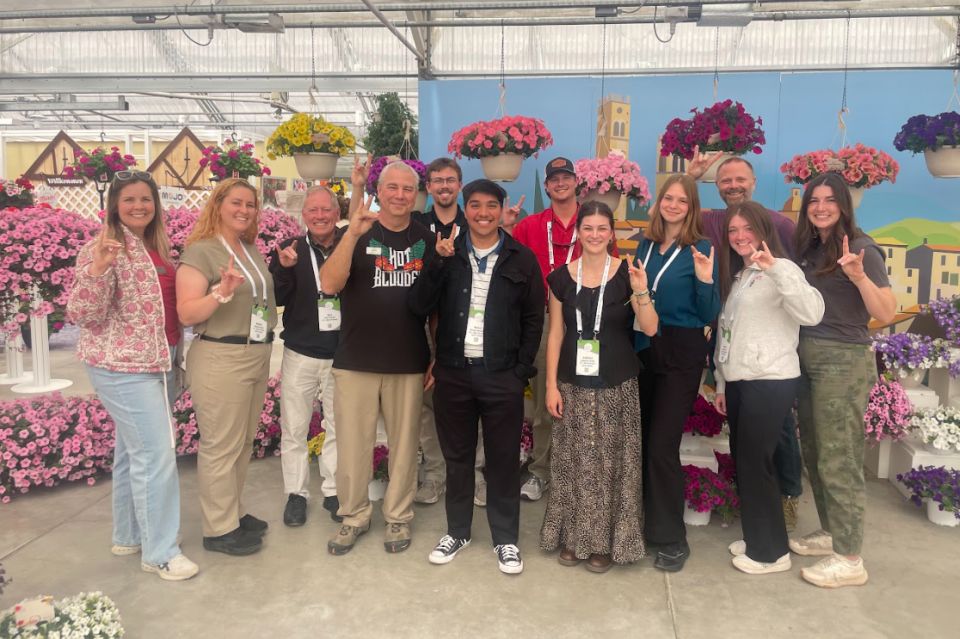
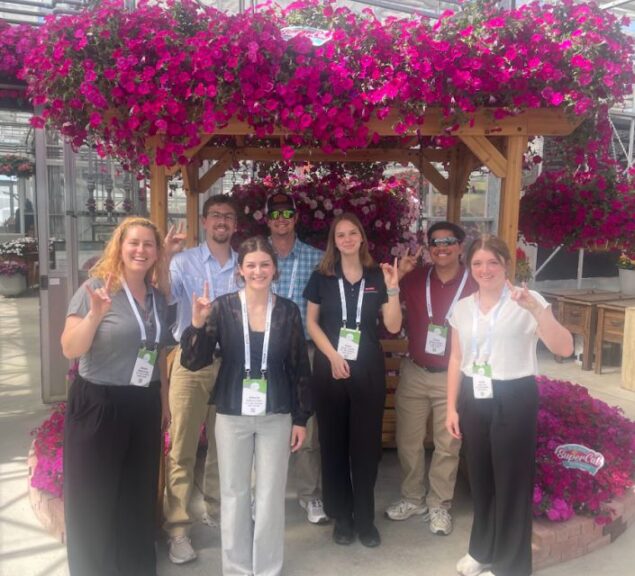
The 2026 California Spring Trials (CAST) provided six North Carolina State University horticulture students with an immersive, multi-day experience connecting classroom knowledge with real-world industry practice. During a trip along California’s central coast, led by Melinda Knuth, Assistant Professor of Horticultural Science, the students engaged directly with leading plant breeders, production companies and research organizations, gaining firsthand exposure to innovation, large-scale operations and career pathways across the horticulture industry.
View all
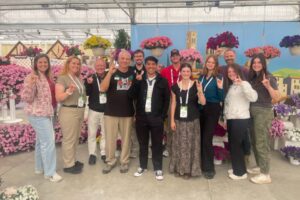
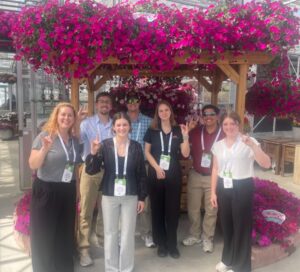
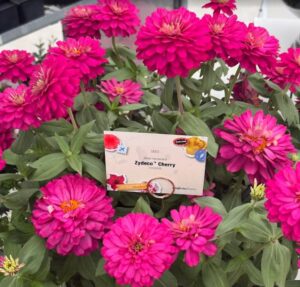
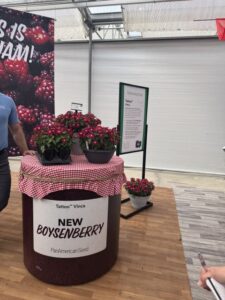
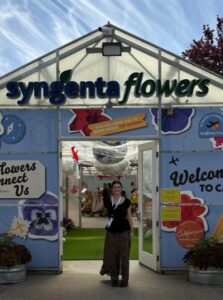
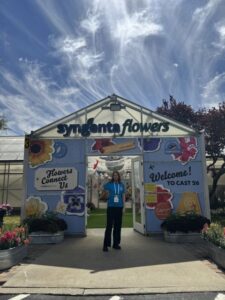
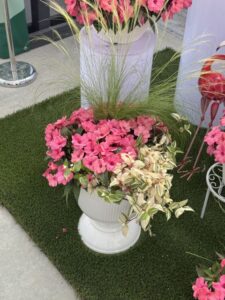

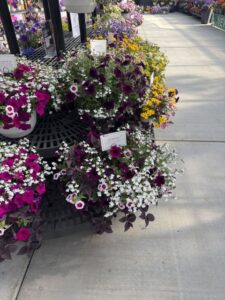
We reached out to two of these students – Allison Langston and Katie Walls – and asked them to reflect on some of their biggest takeaways. Here’s what they had to say.
Allison Langston: “This Is the Kind of Career I Want”
When I got out of the car in Santa Paula, I didn’t realize I was about to walk into a genuinely transformative moment at my first California Spring Trials (CAST) stop: Ball Horticultural Company. As a senior horticulture student at North Carolina State University, I was so excited to finally be able to piece together how the industry operates. All the classes I’ve taken, but mostly “Greenhouse Management”, taught me about how much effort goes into producing a plant, and to see that exemplified over and over again was an experience like no other.
When I applied to attend CAST, I remember thinking that if I get chosen to attend, I will not take it for granted. I knew it would be an experience that would relieve any concerns I had about what to do post-graduation. The uncertainty of what kind of career I wanted to go into was looming over me. So, when I received the email that I, among five other students, had been picked to go, I was over not only the moon, but Pluto and back too. I was so excited to finally understand the industry. It isn’t something that really clicked for me until I was able to ask questions and be exposed to it. I predominantly do research in consumer marketing at NCSU, so I was looking to get information I could apply to my work as well as a greater understanding of it all. As a “regular” person, I was amazed by how so many people were able to work in harmony to produce something so captivating. The displays, thanks to the marketing team, were what initially drew me in because I had taken a handful of business and marketing classes.
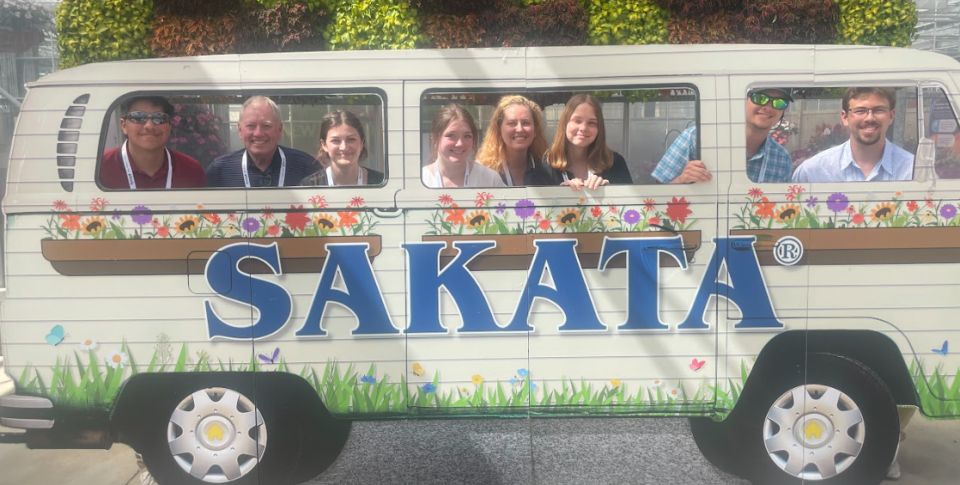
Aside from Ball, the five other students and I (we were also accompanied by Dr. Melinda Knuth and Mr. Kent Carroll), stopped at Dümmen Orange, Sakata, Danziger, ThinkPlants, Pacific Plug & Liner, and Syngenta Flowers.
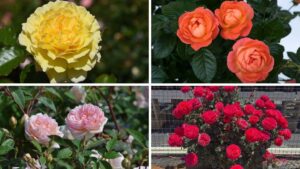
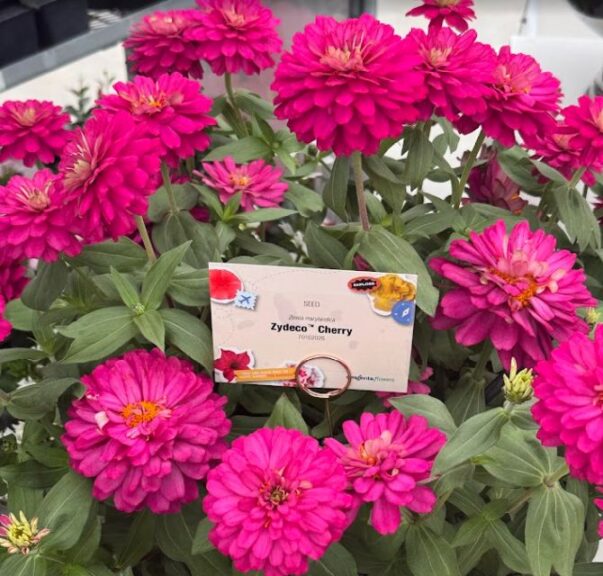
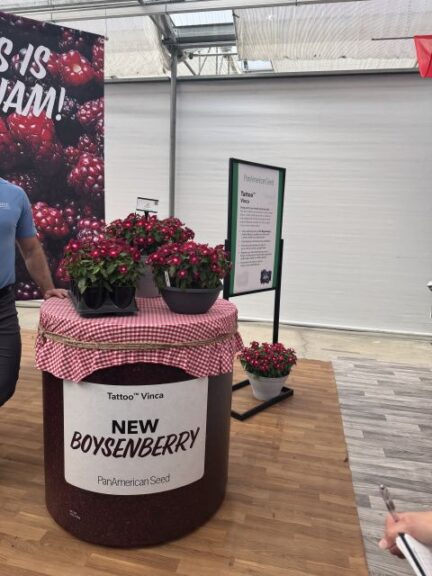
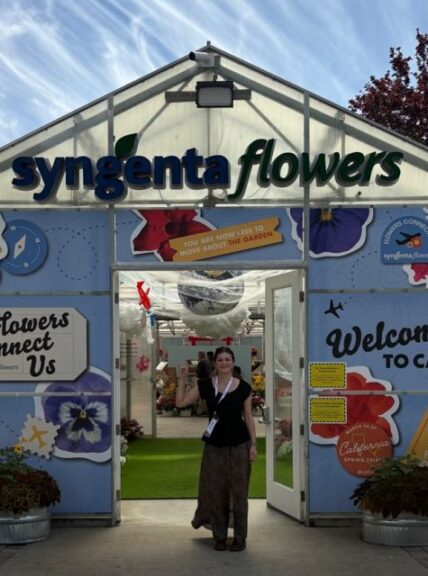
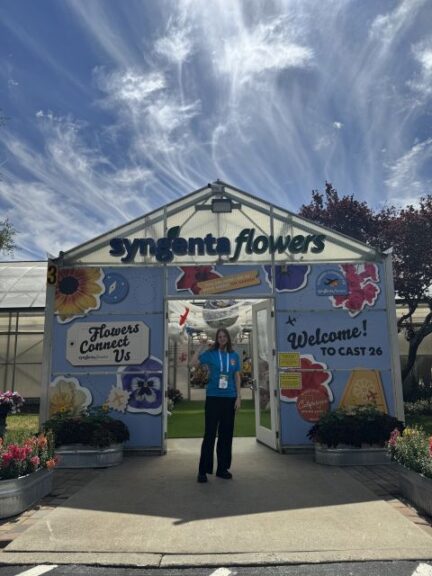
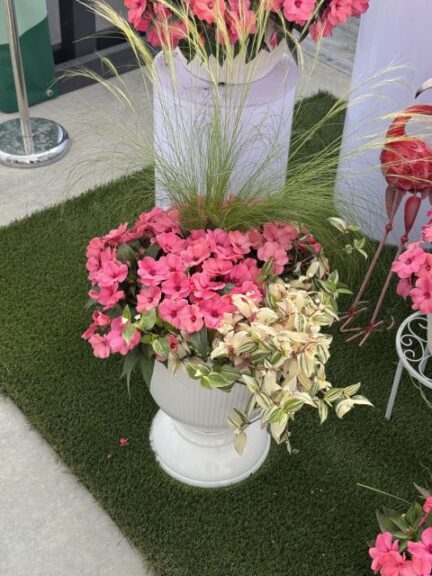
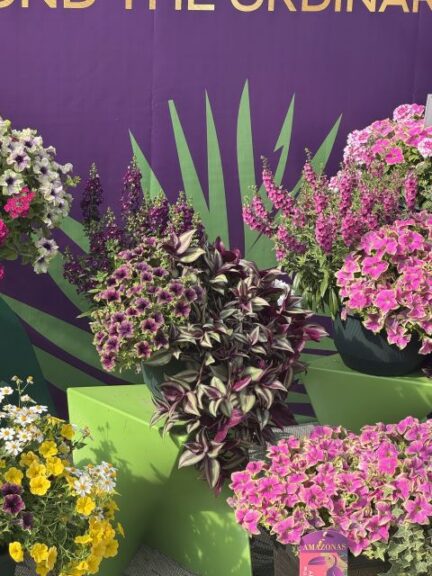
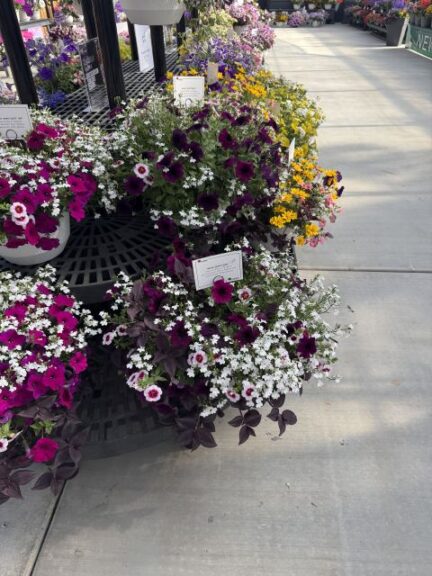
I personally enjoyed the mixed/combo planters from Danziger and Syngenta. I had the chance to ask Joy Keeler, Sales and Product Representative for Canada from Danziger, about the mixed plants and how they were created. I learned that a lot of trial and error go into making every product, combo or not, and that is exactly how they are created. Keeler asked us to point out our favorite combos; the slideshow on this page shows some of them.
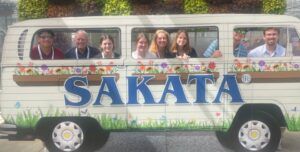
I really enjoyed every stop because I felt they all had something unique to offer. Ball showed me that a lot of work, great people, and preciseness goes into their products. Dummen Orange was insightful because I had the chance to talk to a plant breeder and understand the more scientific side of things. Sakata was amazing because of how much care they have for their consumers, especially with their beautiful SuperCal® Petunias. I enjoyed the Danziger and ThinkPlants stop because of the wide variety of plants they had, in addition to understanding the supply chain a little better. Pacific Plug & Liner was really insightful for me because of the tour we got from Bruce Galasso, head grower, who displayed honesty and further solidified that this is the career I want. Finally, we wrapped up the tour with Syngenta. Everyone at Syngenta was so kind to me with all the questions I had about working. I enjoyed their combos, in addition to other great plants they had.
I enjoy vibrant colors, pinks, and just something a little different, and I found that here. Overall, CAST was really insightful to a student like me. I would do it again and again, hopefully one day not just as a visitor. I encourage other students to take advantage of opportunities like this one. It is more insightful than anything you can imagine and it is something I will take with me for the rest of my life. As a whole, we need more young people to see the industry and to get excited over it, just like me.
Katie Walls: “The Horticulture Industry Offers Something for Everyone”
When I was offered the opportunity to write about my experience attending the 2026 California Annual Spring Trials, I was almost as excited as I was hearing that I had been selected to go on the trip itself. I feel very strongly that more young people should be encouraged to enter the horticulture industry, and who better to do that than a peer?
I knew that the CAST trials were going to be very grower and breeder focused, and as a senior in Horticultural Sciences with a concentration in Landscape Design, I was not sure how all of the topics that we would discuss would pertain to me. I was very mistaken. While yes, CAST is very breeder and grower focused, it is relevant to every aspect of the horticulture industry, including landscape design. One of the most fascinating things that I learned on this trip was how the horticulture industry is incredibly intertwined and connected. Every job is vital, and even competing companies can have symbiotic relationships.
After months of preparation and researching the companies that we planned to visit, and attending meetings hosted by one of our chaperones, Dr. Melinda Knuth, the day had finally arrived for my North Carolina State University group of six to fly from Raleigh, NC, to California. When we landed in LAX, I was very nervous. I had never attended a trip like this, and I knew that I would have the chance to talk to successful industry members. I have to admit that I found this intimidating. After we arrived at our first stop at Ball Horticultural, this nervous feeling immediately settled. Every single person that I spoke to at Ball was so passionate about what they do, and had nothing but positive things to say about the industry. This theme continued all throughout the trip at Dümmen Orange, Sakata Ornamentals, Danzinger, ThinkPlants, and Syngenta Flowers.
During this trip, I was able to see the most amazing cultivars of plants, and my favorites were almost always the begonias. Every stop took my breath away with the beautiful colors and forms of their products. Even though I am not a breeder or in production, CAST opened my eyes to how a designer can benefit from the exposure to these new products. My notes consisted of specific cultivars that I plan to use in my designs, and how they are different from the others on the market.
Not only did I make connections between my future career and the products that were presented, but I also made connections with the breeders and product managers that I had the pleasure of meeting, which I think is one of the most important aspects of this industry. Talking with professionals already established in their career made my worries about my own path melt away. So far my path has not been linear, but I quickly learned while speaking with Alicain Carlson and Mary Lewis at the Syngenta Flowers stop that you can take the road with the most winding pattern, yet end up right where you need to be.
The horticulture industry is incredibly vast. No role exists without significance. There are many types of jobs within the industry, and I believe that there is something for everyone, whether you like getting your hands dirty, or enjoy spending time conducting research in a lab. I have changed my major in school three times before I switched to horticulture, and I truly feel that I have found the one. Before attending CAST, I had a vague notion of how plants went from an idea to a customer. After experiencing the trials, I have a much more in-depth idea of how the relationships work, as CAST was the perfect lens for me to get a glimpse of what it’s really like. Our industry is amazing, and always growing. With such a variety of roles, I believe that any individual with a passion for plants can find the right fit.
Subscribe to eNewsletter