


New Varieties Worth Making Room for From CAST 2026
Every season brings another round of introductions competing for a spot on the grower bench. Tried-and-true varieties are easy to lean on because growers know what works through years of trial and error, and consumer demand often rewards the familiar. So when a new variety shows up promising a brighter color, tighter habit, or better performance, the question is not just whether it looks good, but whether it offers enough of an advantage to earn a place.
View all
All the introductions highlighted here were on display during California Spring Trials, where it becomes easier to see which new genetics bring something more specific to the category. The plants that rise above the noise are the ones that help shape a stronger program, create a more useful retail angle, or deliver a better experience after the sale.
Pollinator Appeal That Goes Beyond the Tag
Pollinator appeal is one of the easiest messages to share and one of the easiest to overuse. At this point, a plant needs more than a pollinator-friendly tag to stand out. The strongest introductions pair that benefit with something more specific, whether it is a recognizable crop with a new twist, a longer bloom window, stronger garden performance, or a habit that works in both containers and the landscape.
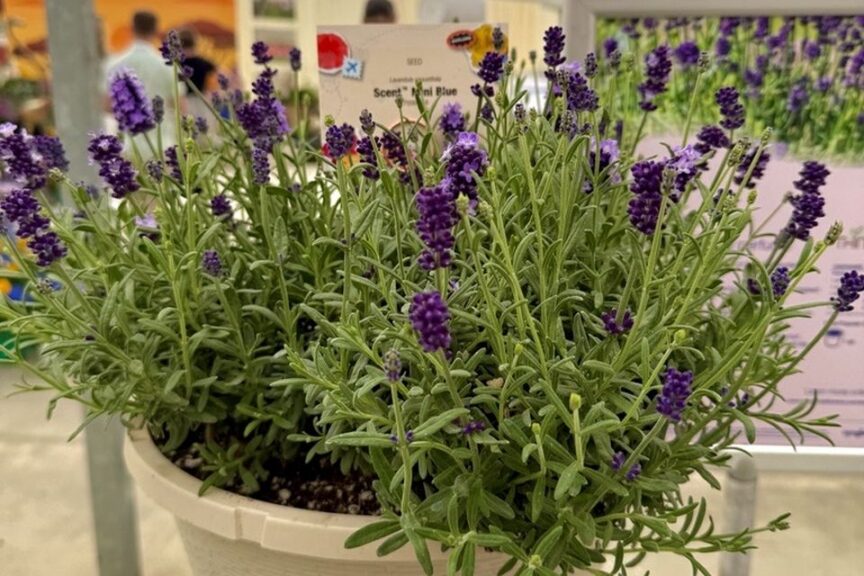
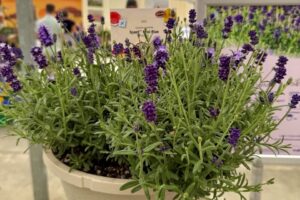
English lavender; Lavandula angustifolia Scent Mini Blue (Syngenta Flowers)
Scent Mini Blue broadens lavender’s production and merchandising options by bringing earlier, more consistent first-year flowering into packs and smaller pots. That matters because lavender already has strong shopper recognition for fragrance and pollinators, but standard programs do not always fit smaller-space or entry-price displays. Mini Blue keeps the category’s consumer appeal while making it easier to position for patios, mixed containers, and shoppers who want lavender without committing to a larger plant.
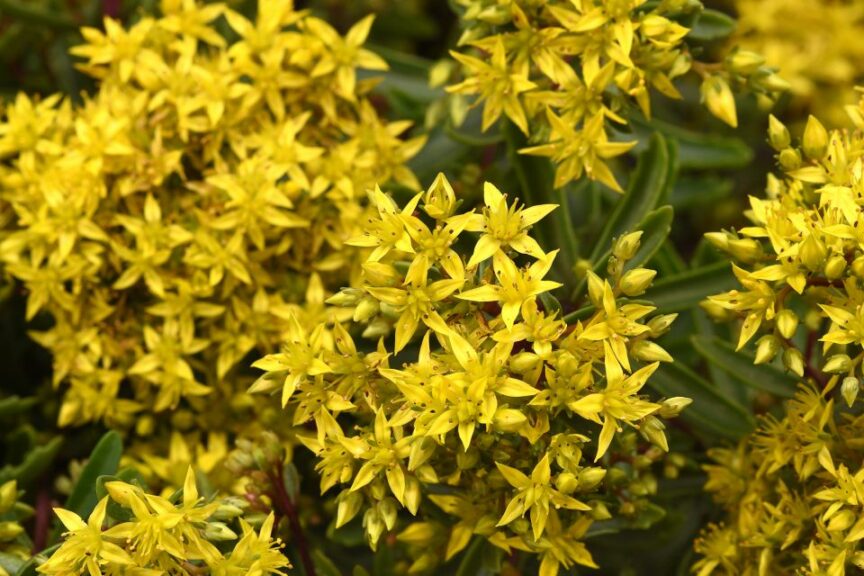
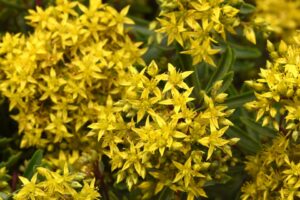
Stone crop; Sedum middendorffianum Lemon Sparkle (Darwin Perennials)
Lemon Sparkle offers a sedum with a tidier finish than looser selections that can open up and lose their shape. Its bright yellow, star-shaped flowers sit on a mounded habit that stays more compact, helping the plant present better in the pot and at retail. That stronger form is the real advantage. It creates a more polished plant to sell, while deer and rabbit resistance and pollinator appeal add value once it gets into the garden.
Built for Summer Staying Power
Some plants peak in spring and lose relevance once summer conditions set in. The introductions worth watching are the ones that stay cleaner, hold color longer, or keep a proven category in play after temperatures rise. For growers and retailers, that means crops that remain marketable deeper into the season.
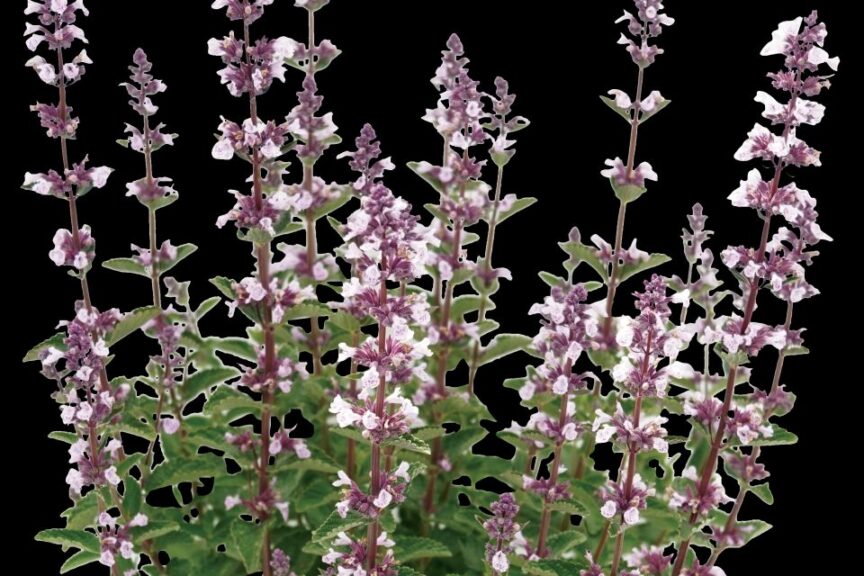
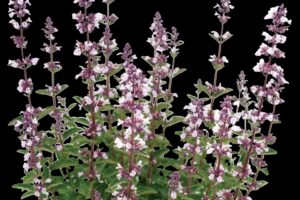
Nepeta; Nepeta sibirica Serene Wild Orchid (Dümmen Orange)
Serene Wild Orchid does more than shift nepeta from purple to pink. It brings the category a softer, more refined look while keeping the toughness that makes nepeta useful in the first place. Soft pink flowers, dark-red stems, and an upright habit help separate it from more traditional purple selections, which gives retailers a fresher option for mixed plantings and full-sun landscapes. As a first-year flowering selection, it also gives growers a more programmable perennial crop instead of asking them to wait for the plant to show value later. Add in drought tolerance and hardiness, and it starts to read less like a novelty color break and more like a versatile nepeta for modern summer programs.
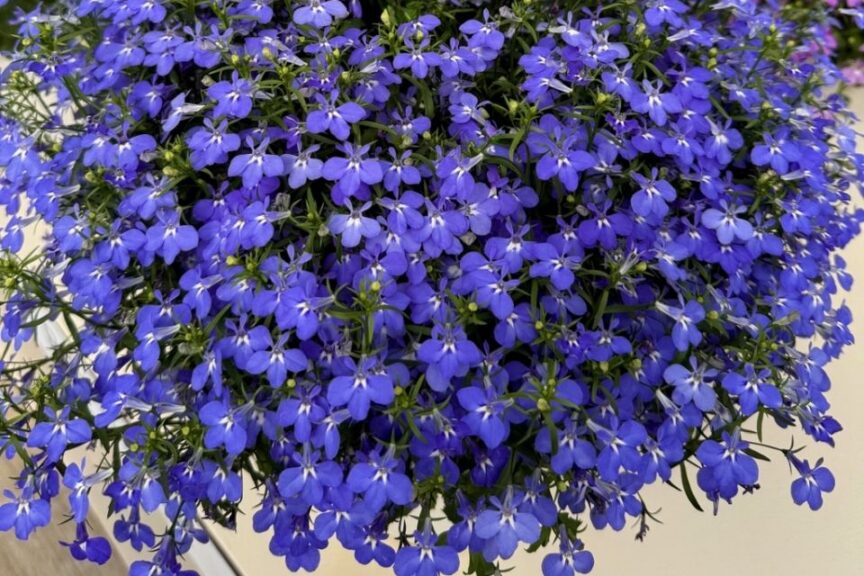
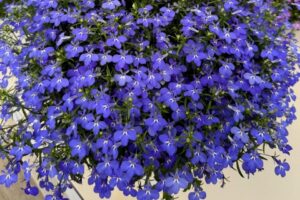
Lobelia; Lobelia erinus Heatopia Series (Ball FloraPlant)
Because lobelia is still closely tied to cool-season color, improved heat tolerance gives the Heatopia series a stronger warm-season purpose. It offers growers a way to keep that look in circulation instead of letting the category fade once temperatures rise. Its compact, uniform habit supports pot-tight production with minimal PGRs, and one plant can fill a quart or gallon container, helping growers finish a fuller plant with less fuss, while still giving retailers a recognizable color option for summer containers and mixed plantings.
Compact Habits for Small Spaces
Compactness only matters if it creates a better use case. In crowded categories, a shorter habit on its own is not enough to move the needle. The more useful introductions are the ones that take a well-known plant and make it easier to place in patios, mixed containers, borders, or tighter residential landscapes where every square foot has to work harder.
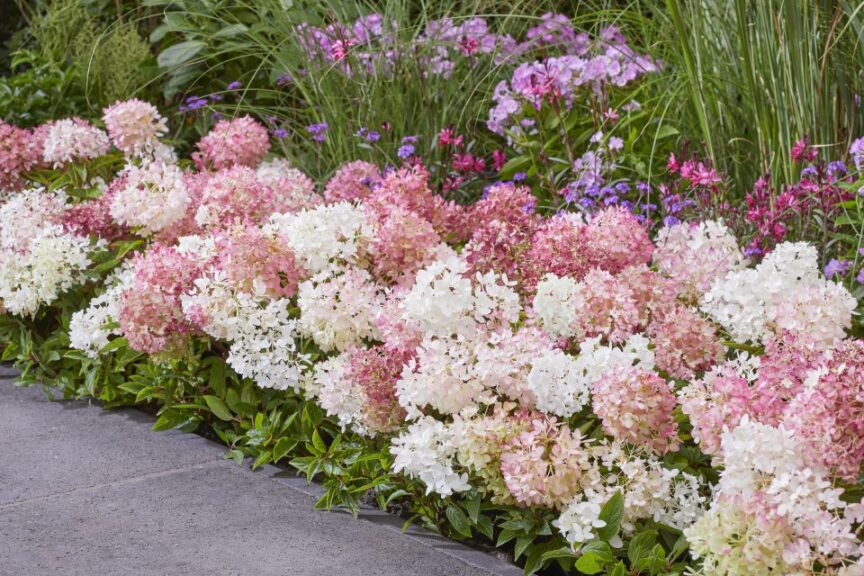
Panicle hydrangea; Hydrangea paniculata Groundbreaker Series (Living Creations/Ball Seed)
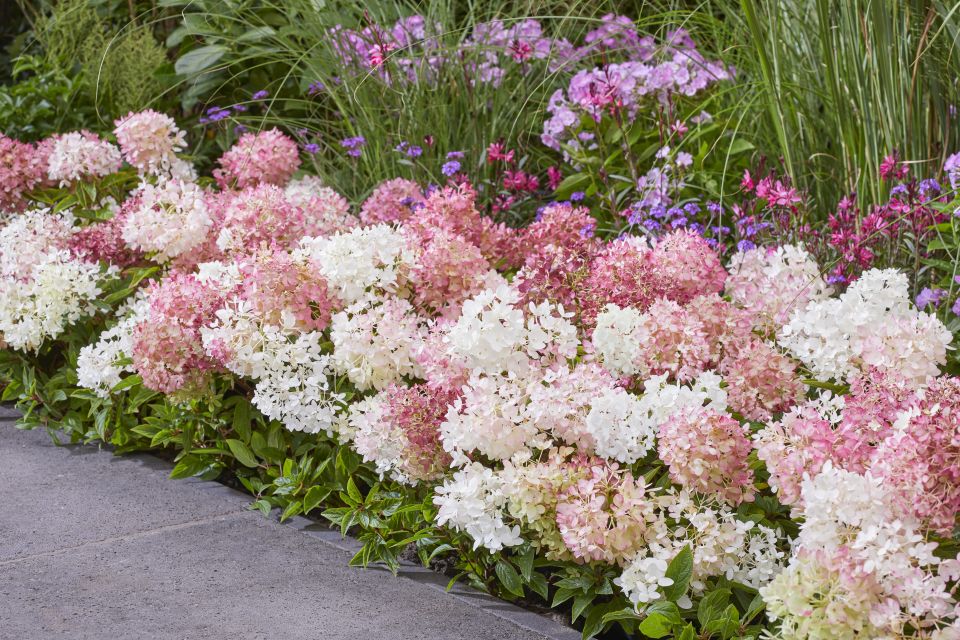
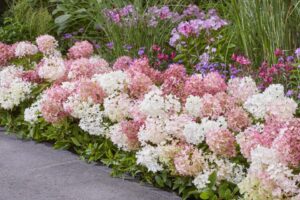
The Groundbreaker series brings a low-growing format to one of the most recognizable flowering shrub categories. Positioned as the first groundcover Hydrangea paniculata, the series reaches about 16 inches tall with a 28-inch spread, creating a more specific use than standard upright panicle hydrangeas. Instead of asking shoppers to find room for another large shrub, Groundbreaker gives them a hydrangea for borders, foundation plantings, smaller landscapes, and layered combinations where a full-size plant would overwhelm the space.
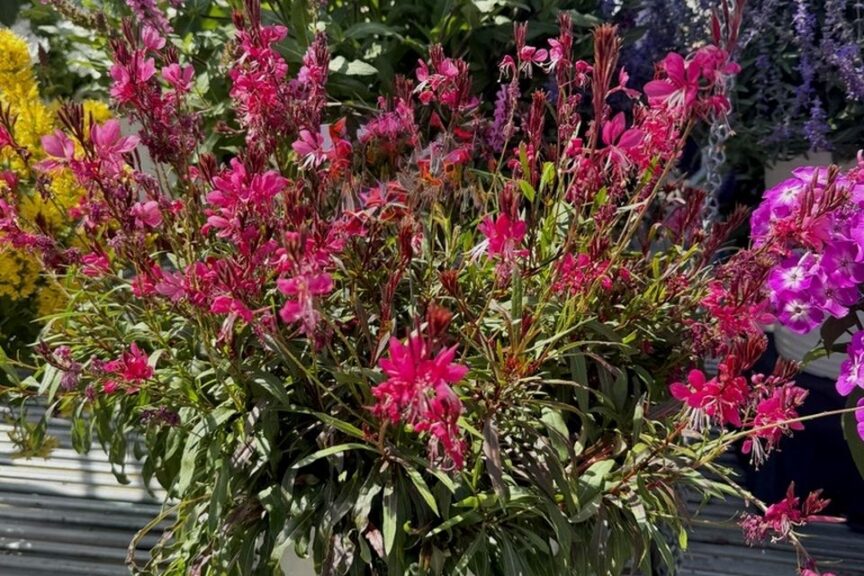
Gaura; Gaura lindheimeri Graceful Series (Dümmen Orange)
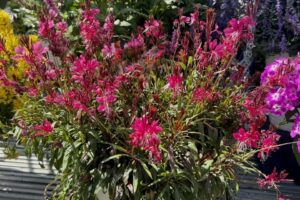
The Graceful series turns gaura into a more compact, first-year flowering crop with stronger container and small-space potential. Gaura has plenty of garden appeal, but older, airier selections can be harder to merchandise when the habit feels loose or the crop takes longer to show value. This series keeps the movement and delicate flower form that make gaura useful, but packages those traits in a tighter, more retail-friendly plant with drought tolerance and strong mixed-container potential. For growers, that means an easier spring crop with more flexibility in smaller pot sizes. For retailers, it offers a gaura that feels easier to place on patios, in combo planters, and in smaller landscapes where shoppers still want bloom and texture without a sprawling plant.
Fresh Options for Fall Programs
Fall benches do not need to lean on the same established mix to feel seasonal. The stronger introductions are not simply that they bloom late. It is that they come with a finish window, garden use, or post-purchase value that makes them easier to build into a real fall program.
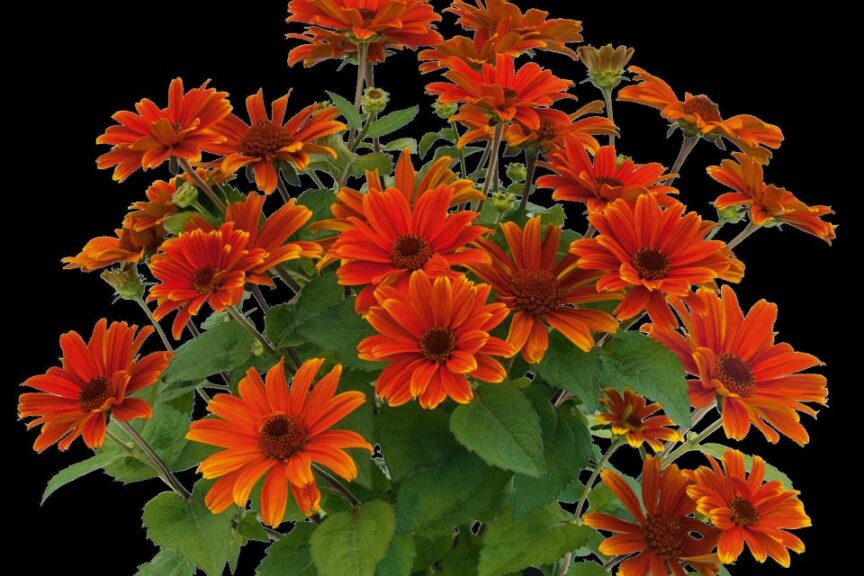
False sunflower; Heliopsis helianthoides Solé Series (Kientzler)
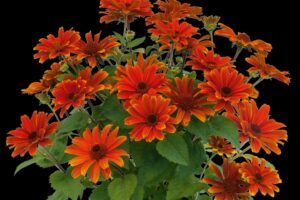
The Solé series offers growers a perennial with a stronger fall-program purpose than a typical summer-only crop. Billed as a first-year fall-flowering perennial, it can be propagated in early summer and finished for fall sales, giving growers another path to late-season color. The finish window is the production advantage, but the post-sale value matters just as much. With Zone 4 hardiness and a bloom window that runs from June to October, Solé offers longer garden value than many fall impulse crops. That makes it easier to position not only as seasonal color, but as a perennial that extends the bench and keeps delivering in the landscape.
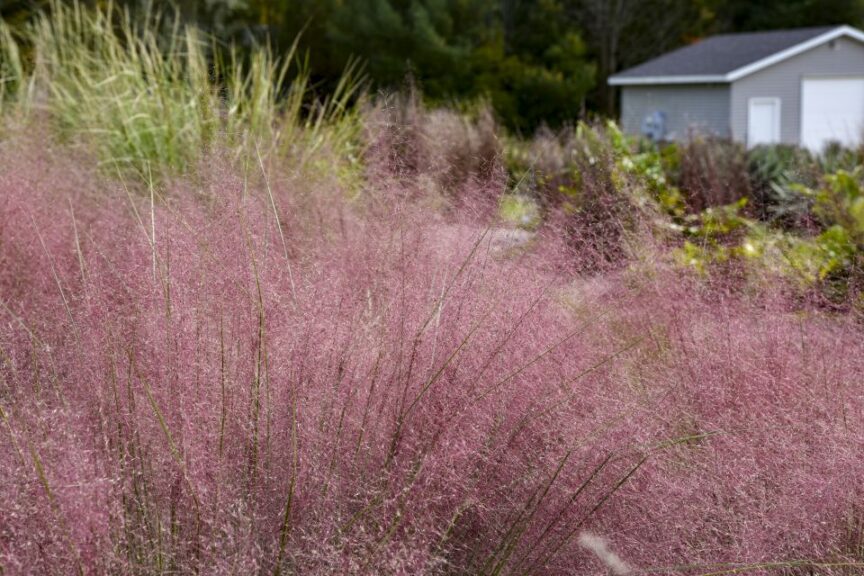
Pink muhly grass; Muhlenbergia capillaris Prairie Winds ‘Candy Floss’ (Walters Gardens)
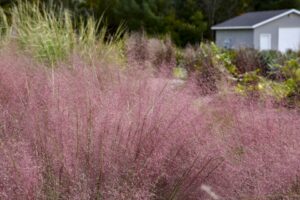
‘Candy Floss’ brings pink muhly grass into a more useful fall sales window than standard selections that may bloom too late to matter. Walters positions it as an earlier-flowering form, blooming in mid-September with deep rose-pink plumes above fine foliage. It allows growers to bring in the airy texture and color of muhly grass while the fall bench is still moving, rather than after the season’s peak has passed. For retailers, ‘Candy Floss’ gives fall displays texture and movement without leaning only on the usual late-season color palette, while its uniform habit and rich color help it feel polished enough for both containers and landscape use.
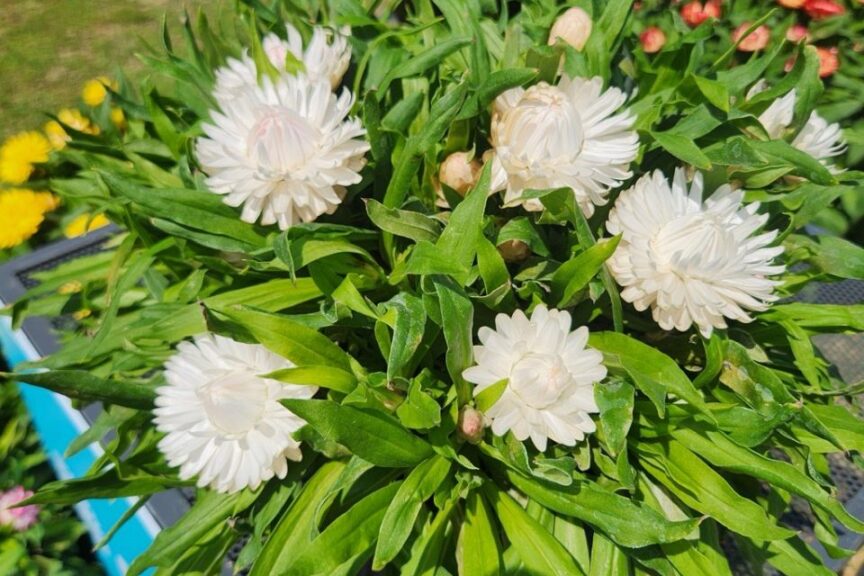
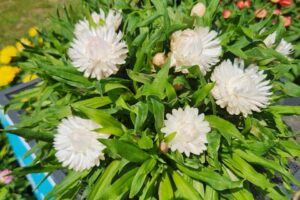
Strawflower; Xerochrysum bracteatum Granvia White Improved (Suntory Flowers)
The Granvia series gives strawflower a bigger, more premium presence than the category usually carries. Suntory positions it for both spring and fall programs, but its oversized blooms and vigorous habit make it especially useful when late-season benches need something beyond the standard autumn mix. Instead of reading as a filler annual, Granvia has enough scale for premium containers and mixed displays, while still offering strong garden performance after purchase. For retailers, it adds color and texture to fall displays.
Subscribe to eNewsletter