



What Makes a New Variety Worth the Space
There is no shortage of novelty at California Spring Trials (CAST). That is part of what makes the event so compelling. New colors, new habits, new series, new uses. Every stop offers something designed to catch the eye. But for growers, especially the ones making careful decisions about program space, labor, and margins, the real question is not simply what is new. It is what is worth the space.
A variety can be eye-catching in a display, but that only gets it so far. To matter in a real program, it has to offer something more. The strongest introductions are usually the ones that bring both appeal and practicality to the table.
That is also what separates a nice introduction from one that feels like it has a real shot at earning space. Growers are weighing new genetics against the programs they already run, the crops that already perform, and the categories that already sell. Labor, scheduling, and input costs all factor in, too. A new variety may be interesting, but it still has to answer a bigger question: What does it do well enough to justify the bench space it takes up?
Coleus ChargedUp Prismatic
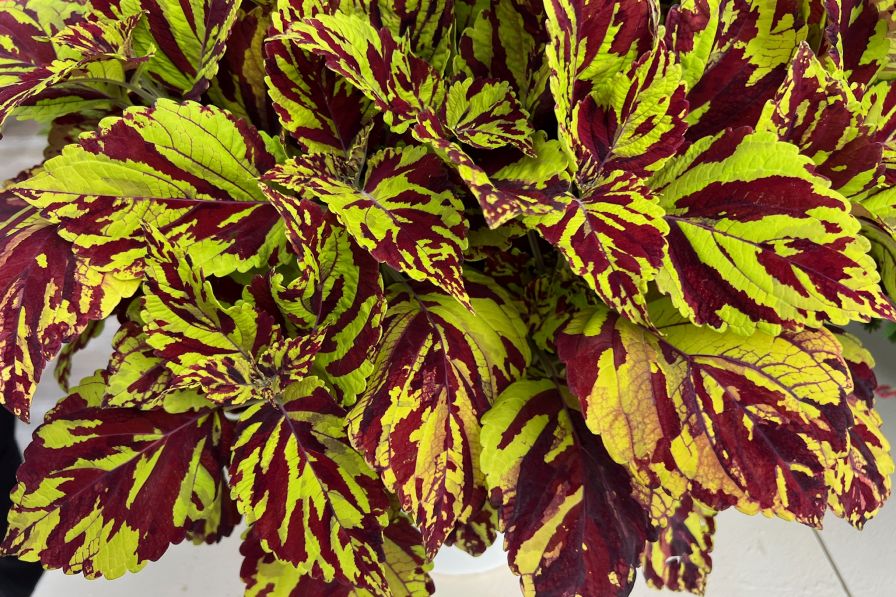
Coleus ChargedUp Prismatic. | Robin Siktberg
Ball FloraPlant’s Coleus ChargedUp Prismatic felt like a good example of a variety that could earn attention without overcomplicating the crop. It has the kind of vivid color that makes an immediate impression, but it is still coleus, which gives growers a familiar framework for production and retailers a proven category to sell. That is part of what made it stand out. It felt fresh, but it also felt usable.
Rudbeckia F1 Claire Orange
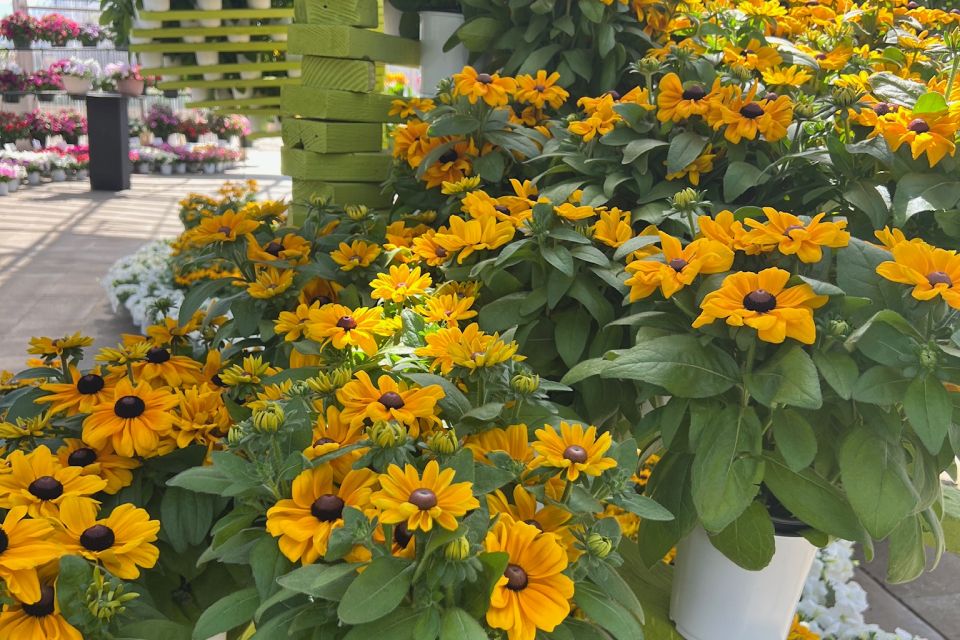
Rudbeckia F1 Claire Orange. | Robin Siktberg
Takii’s Rudbeckia F1 Claire Orange stood out for a different reason. It has the kind of bright, immediate appeal that works at retail, but it also comes with a cleaner story behind it. Pollen-free introductions naturally invite questions, especially at a time when pollinator value matters so much in the market conversation. But when a plant can still deliver visual impact, a strong consumer story, and workable production potential, it starts to feel like more than novelty. It feels like a product with a place.
Pentas Graffiti Falls
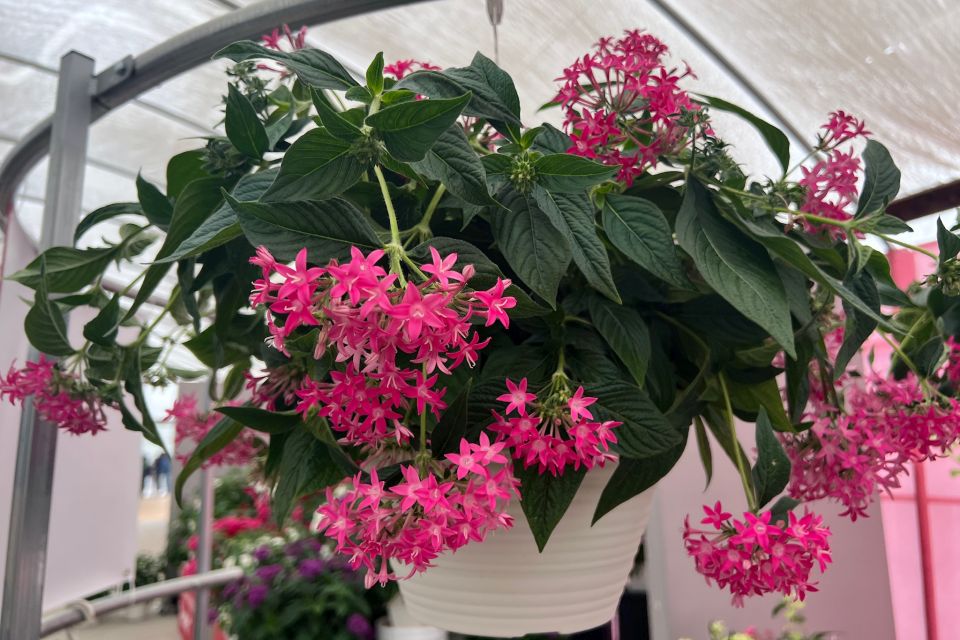
Pentas Graffiti Falls. | Robin Siktberg
Then there are introductions like Pentas Graffiti Falls from Benary, which suggest new merchandising potential without asking growers to completely rethink the crop. A trailing pentas brings a different habit into the conversation, one suited for hanging baskets, mixed containers, and patio programs. That kind of flexibility matters. A variety does not have to be radically different to stand out. Sometimes it just needs to open up a new use, a new look at retail, or a new way to fit into an existing program.

That balance is part of why CAST continues to matter so much. It is not just a showcase for what is new. It is one of the first places the industry starts sorting out which introductions feel built for the way the business actually works. The varieties that stay with growers are usually the ones that do more than look good in a trial display. They fit into a program, bring something useful to the bench or the retail store, and make their value easier to see.
Subscribe to eNewsletter