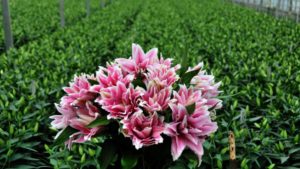
Around the world, controlled-environment growers are taking every step they can to keep the ornamentals supply chain moving in the wake of the coronavirus.
The move could have a major impact on the H-2A program, which many controlled-environment greenhouse operations in the U.S. rely on for labor.
Meister Media Worldwide’s Chairman Emeritus leaves an inspirational legacy of support for growers, research, and education in the U.S. and around the world.
Here’s an update from the Greenhouse Grower team on California Spring Trials, as well as the effects of coronavirus on the cannabis/hemp and vegetable markets.
The annual report is out, and there is movement among the ranks. Check to see if your alma mater made the honor roll.
Seed Your Future adds new resources for promoting plant and horticulture careers.
GreenTech Americas, which was scheduled to take place in Mexico March 24-26, has been moved to Aug. 25-27 due to the global spread of COVID-19.
The purpose of the task force is to determine practical regulatory recommendations that will protect consumers and ensure their safety when using hemp products.
The reality is our markets are facing — or will face — commoditization at some point. But that doesn’t mean we have to wallow in it.
At a time when regulatory changes in the trucking sector have made shipping more complicated, AmericanHort is focused on easing burdens for the horticulture industry.
William “Pete” Pike founded Pike Nurseries on his signature uncomplicated, common-sense business approach, starting his business with three employees and turning it into a 500 employee operation with 18 retail stores today.
Greenhouse Grower editors give their take on how recent actions by the DEA, USDA, and FDA on hemp regulations are making things easier for growers.
Producing a crop in a controlled environment means there’s virtually no threat of wildlife contamination. However, sanitation should still be top of mind.