From the latest updates on the GROW Executive Summit to advice on forecasting and selling direct to consumers, Greenhouse Grower’s team of editors share insights from across the controlled-environment market.
One of the most powerful gifts of complex thinking is understanding that being effective doesn’t come from working harder but from cultivating the capacity to work with uncertainty in a different way.
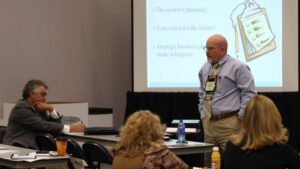
Greenhouse Grower’s second annual GROW Executive Summit, which takes place Nov. 30-Dec. 2 in Fort McDowell, AZ, delivers the business and technology solutions and strategies to lead your team forward with confidence and purpose.
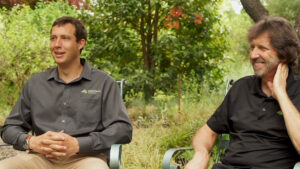
In the first of a six-part conversation, Greenhouse Grower’s Industry Achievement Award winner explains his passion for numbers, and why growers need to understand the market forces shaping their company.
As the horticulture industry looks to retain its new customers gained during the COVID-19 pandemic, one area of focus can be the psychological and emotional benefits of plants.
Participating communities were evaluated on vitality, flowers, landscaped areas, urban forestry, environmental efforts, heritage celebration, and overall impression. Find out who the winners were.
Larose, who founded BioSafe with his father Rene, was a knowledgeable resource about biologicals and loved working with people. His daughter Lauren will step in as president.