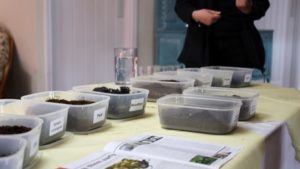
Griffin will be hosting a half-day educational workshop in Lancaster, PA, on Sept. 26, that will focus on crop protection and nutrition, as well as sanitation.
The National Organic Standards Board is considering recommending that USDA revoke the ability for hydroponic, aquaponic, aeroponic, and other container-based growing methods to be certified organic, according to an update from growers at Upstart University.
Seattle-based technology startup iUNU aims to help commercial greenhouse growers work smarter with an artificial intelligence solution that tracks and predicts individual plant health on a large scale.
The new guide from LumiGrow is intended to help greenhouse tomato, cucumber, and pepper growers use LED lighting more effectively to maximize profits, boost yields, and increase crop quality.
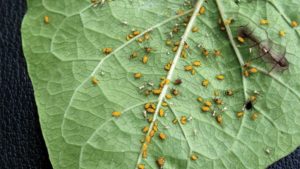
OHP is making two new crop protection tools available to greenhouse growers: Kopa, an insecticidal soap, and California registration for Ancora, a microbial insecticide.
Greenhouse vegetables are a potentially lucrative market for ornamental growers, but food safety is a constant risk. Here’s a step-by-step plan for addressing food safety concerns.
During the National Greenhouse Manufacturers Association’s Spring Meeting, MedMen’s Damian Solomon provided an update on the transition from low-tech cultivation to more advanced indoor production.
Whether it’s overfeeding plants or failure to monitor pH in your water, here are five of the most common pitfalls you can avoid with some preparation and careful monitoring.
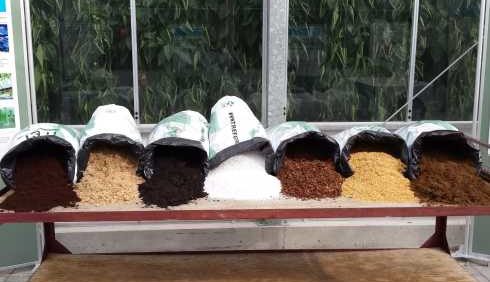
Research in the United Kingdom has shown that coir-free growing media has the potential to work as well as coir for strawberry crops, and these research results likely apply to greenhouse production, as well.
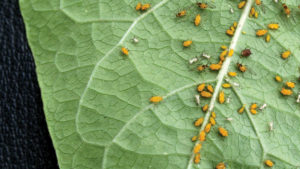
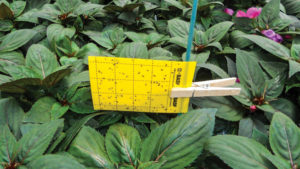
Over the past few months, crop protection companies have developed several new products designed to help you manage a wide range of insect and disease pests. Here’s a look at some of them.
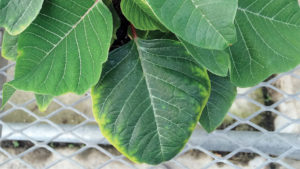
Proper nutrition is a critical part of successful greenhouse production. Managing these three key elements properly will keep your poinsettia crops healthy and strong.