Mike’s Backyard Nursery sits on a long, narrow, 5-acre property located in Perry, Ohio. There, customers can find […]
As most growers know well, the federal government regulates all insecticides, fungicides, herbicides and other commercial chemicals used […]
Protecting your plants from the latest threats is no easy task, but new product lines promise to safely and effectively eliminate a wide range of pests and diseases, without harming your employees or the environment.
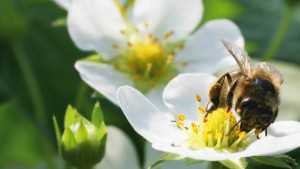
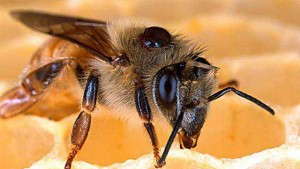
Michigan State University Extension shares pest management practices to produce plants that are safe for pollinators and marketing strategies for clearing up confusion about bee-friendly plants.
A researcher from North Carolina State University (NC State) has found that in the case of the flame […]
In a recent online fact-sheet at its Extension website, the UMass Amherst Center for Agriculture, Food and the Environment […]
BASF Sultan miticide recently received registration in California, giving ornamental growers a new rapid, targeted mode of action […]
AmericanHort, Society of American Florists, American Floral Endowment and Horticultural Research Institute joined together to embrace key aspects […]
An interagency Pollinator Health Task Force commissioned by President Obama released its “Strategy to Promote the Health of […]
The Society of American Florists (SAF) and AmericanHort want Ralstonia solanacearum, Race 3, Biovar 2 (R3Bv2) taken off a list of animal […]
Greenhouse growers need to scout for spider mites on bougainvillea and mandevilla and use appropriate treatments that minimize pesticide resistance.
The news on pollinators and neonicotinoids continues to fluctuate between good and bad. Research and outreach efforts backed by the Bee and Pollinator Stewardship Initiative help move the industry in a positive direction.
BASF’s Empress Intrinsic brand fungicide received supplemental labeling, providing California growers with an effective drench fungicide for disease […]