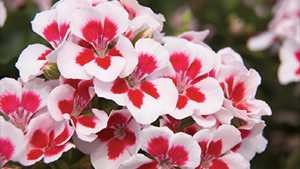
The Society of American Florists (SAF) and AmericanHort want Ralstonia solanacearum, Race 3, Biovar 2 (R3Bv2) taken off a list of animal […]
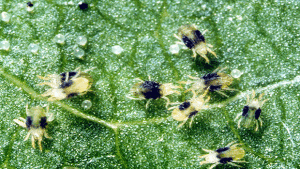
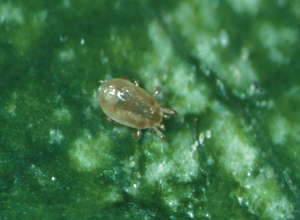
Greenhouse growers need to scout for spider mites on bougainvillea and mandevilla and use appropriate treatments that minimize pesticide resistance.
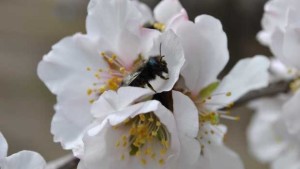
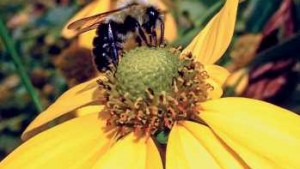
The news on pollinators and neonicotinoids continues to fluctuate between good and bad. Research and outreach efforts backed by the Bee and Pollinator Stewardship Initiative help move the industry in a positive direction.
BASF’s Empress Intrinsic brand fungicide received supplemental labeling, providing California growers with an effective drench fungicide for disease […]
In part two of a four-part food safety series, learn how to keep food safety risks low by following proper water testing procedures and maintaining safe storage practices for substrates and food packaging materials.
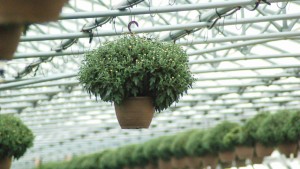
Whether you’re applying plant growth regulators, manually pinching plants or using automated trimming, the most important thing is to find the right balance.
The first rule of effective insect and disease control for vegetables is to take action to prevent problems before they occur. But in order to do that, you need to have an effective pest and disease management strategy in place that incorporates best practices to ensure a successful outcome. Michigan State University offers three pest and disease management on-demand webinars that will get you started and keep you on the right track.
The state of California has approved the supplemental label registration of Pageant Intrinsic brand fungicide for disease control in the commercial production of greenhouse-grown tomatoes and tomato transplants for the home consumer market.
More than 400 growers, pest control advisers and certified crop advisers, researchers, government regulators and suppliers gathered in […]
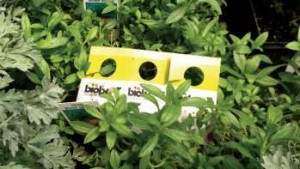
For some companies, a switch to biocontrols is an easy decision to make. Parkway Gardens of Ontario, Canada, […]
Home improvement retailer Lowe’s companies announced April 9 that it has committed to eliminate neonicotinoid pesticides from its stores in a gradual phase-out over the next 48 months. In response, horticulture industry associations issued a statement that Lowe’s position is surprising, considering the most recent and positive reports on the state of honeybee health and recent peer reviewed research, and that this is an issue for which sound science must take priority.

Bees stay safe and high quality crops thrive when you use bee-friendly practices designed to help both succeed. Griffin Greenhouse Supply Pro (GGSPro) has been actively discussing bee-friendly pesticide use for years. Based on its current understanding of the science and social factors at play, GGSPro currently recommends these 10 bee-friendly practices.
Have you incorporated biocontrols into your greenhouse operation? If so, you’ve got plenty of company. An anonymous online survey by Greenhouse Grower magazine in December 2014 of more than 156 ornamental plant and flower growers across the U.S. found 81 percent used biocontrols in 2014.