A father-and-son team find LEDs deliver a higher rooting rate for cuttings propagated under the lights.
Marijuana growing is poised for change as growers and researchers focus on improving production practices.
Make sure the shipment of beneficials that just arrived is viable and ready to go to work in your greenhouse, nursery, or field. Here are five steps you can take to ensure success with your biocontrols.
These five products add even more options for delivering nutrients to the root zone.
As growers look for new ways to cut costs and conserve resources, fertilizer and equipment companies are offering products that strive to save water, reduce toxic runoff and keep chemicals out of the equation.
University researchers look at integrating irrigation and fertilization with the help of water sensors to reduce fertilizer treatments and improve application timing.
Greenhouse Grower’s Basics & Beyond articles cover some of the latest news and research going on in greenhouse production. Here are article links for the last two years.
An extensive study of the diverse turf and ornamental industry (“The Green Industry”) reveals that neonicotinoids are the top-rated products used by professionals to control their most important pests in greenhouses, landscapes, lawns, nurseries and trees.
According to results of a survey by AgInfomatics, professionals in the turf and ornamental industries fear the loss of neonicotinoid products would reduce the quality of their plants and services, increase costs and negatively impact their ability to manage pest resistance.
Grow-Tech LLC recently announced the release of BioStrate Felt, a biobased textile specifically engineered for the growing of hydroponic microgreens and baby salad greens.
A passion for plants defined long-time industry influencer.
The social garden app GrowIt! takes the Gold Winner award at the design100 2014 Mobile & App Design Awards.
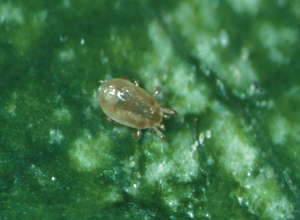
Biological pest control company Beneficial Insectary is now producing both Amblyseius (=Neoseiulus) cucumeris and Stratiolaelaps scimitus (formerly Hypoaspis miles) at its facility in California. Domestic production in the U.S. is now benefiting growers in North America by reducing the transit time of perishable predatory mites between producer and grower.