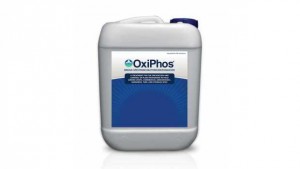
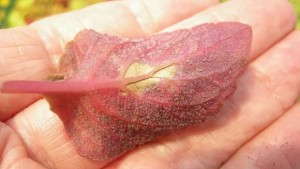
There have been some recent label changes made to the BioSafe Systems product OxiPhos, a systemic bactericide/fungicide that reduces downy mildew spores when tank mixed with ZeroTol 2.0.
Nufarm Americas announced label expansions for two of its fungicides that will provide more pest management options for the ornamental industry. The Cleary 3336 F and EG fungicides are now registered for use across a wider range of edible crops, including select greenhouse vegetables and transplants, herbs and backyard fruit.
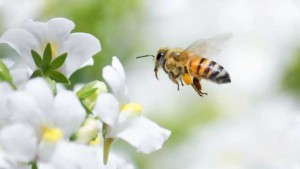
The Horticultural Research Institute will grant $125,000 in financial support for four key projects as part of the Horticultural Industry Bee & Pollinator Stewardship Initiative. The Initiative has three primary goals. First, to convene a task force to develop a bee and pollinator stewardship program, including creation of best management practices for plant production. Second, to identify and fund research that will help answer key science questions and fill gaps needed to design and refine the stewardship program. Third, to seek to positively position the horticultural community and its customers by collaborating with other compatible groups interested in augmenting pollinator habitat and protection.
Maintaining awareness of coleus downy mildew is more important than ever to safeguard these attractive plants for reliable garden performance.
AmericanHort and the Society of American Florists are working tirelessly with the ornamental industry’s Pollinator Stewardship Initiative on a number of new projects.
Harvest Automation’s HV-100 robots automate one of the hardest, most labor-intensive jobs at growing operations – plant spacing. With more technology coming, investing in robots could become even more realistic for growers of all sizes.
In 2014, $4.6 million was awarded through the Farm Bill to tackle rose rosette disease, a devastating pathogen that affects one of the industry’s most important crops.
Leafy gall is a nasty disease that can go undetected until plant damage is done. Take these steps to protect your crops from infection.
The success of a biological control program depends on a number of factors including quality of natural enemies, timing of release, release rates and environmental conditions. However, what is typically not taken into consideration is how plants can affect the performance of natural enemies, including attack rate and searching ability. Biological control agents work hard to protect plants, but plants have ways to help themselves, too.

Seven-year-old wheat seed germination can increase by as much as 83 percent, according to a Vital Force Technology Study that looks at the effects of energy infusion technology on plant vitality.
If you are pursuing a floriculture research project, now is the time to apply for funding through the American Floral Endowment. Research pre-proposal applications for 2015-2016 funding are due to AFE by June 1, 2015.
Add one of these new insecticides to your IPM program for successful pest control.
Almost 40 years ago, IR-4 (Interregional Research Project Number 4) began serving the ornamental horticulture industry, helping to facilitate the registration of pest management tools. IR-4 does this primarily by surveying growers about their pest management issues and then hosting workshops to review survey results and set priorities for the coming years. Most recently, IR-4 coordinated a meeting of researchers and industry members on pollinator health and neonicotinoid chemistries to start a discussion on the needed research. The next step will be to get the outcomes from that workshop out to the public.