As growers look for new ways to cut costs and conserve resources, fertilizer and equipment companies are offering products that strive to save water, reduce toxic runoff and keep chemicals out of the equation.
University researchers look at integrating irrigation and fertilization with the help of water sensors to reduce fertilizer treatments and improve application timing.
Biological pest control company Beneficial Insectary is now producing both Amblyseius (=Neoseiulus) cucumeris and Stratiolaelaps scimitus (formerly Hypoaspis miles) at its facility in California. Domestic production in the U.S. is now benefiting growers in North America by reducing the transit time of perishable predatory mites between producer and grower.
The outdoor decorative containers that Oakland Nursery plants and maintains in downtown Columbus, Ohio, enhance the look of the city’s buildings and streets and hinder vandalism.
UPDATE: The Obama Administration’s addendum to the Sustainable Practices for Designed Landscapes applies only to federal agencies “implementing landscaping practices on agency-owned or leased land or space.”
AmericanHort announces the revised American Standard for Nursery Stock (ANSI Z60.1) is now available for industry use. The Standard reflects the consensus of the industry regarding how nursery stock — living plants other than annuals — should be specified and sold within the trade.
Cornell University researcher determines if substrate-incorporated slow-release fertilizers can be used to replace or reduce the need for liquid fertilizer for four spring crops.
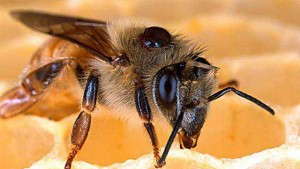
AmericanHort encourages industry members to contact their members of Congress to support legislation that would require federal agencies to take greater action to deal with parasite and disease factors impacting the health of managed bees, specifically focusing on Varroa mites.