The location of the Cervini Farms C5 facility is adjacent to Pure Flavor’s home farm in Leamington and now creates a 350-acre, state of the art, flagship Pure Flavor campus.
Amidst this week's Biosolutions Conference, industry suppliers weigh in on market trends, including on pricing, supply chain, and product availability.
Growers must maintain a favorable propagation environment and implement cultural practices to promote root initiation and subsequent root growth and development.
More growers are adding biosolutions to their IPM programs due to their minimal susceptibility to supply chain issues and continued success in crop protection.
The Horticultural Research Institute has announced nearly $400,000 in grants for 11 projects working to tackle green industry issues, from pest management to developing marketing insights.
There’s been a lot of discussion around the circular economy, but it hasn’t been clear what it looks like or the role that greenhouse horticulture can play in it.
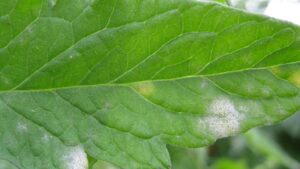
Thanks to joint efforts by the IR-4 Project and the Canadian Pest Management Centre, the EPA has published a final rule approving new uses of pyriofenone on greenhouse tomatoes and peppers.
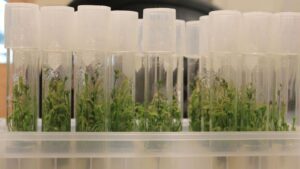
USDA-APHIS has removed clarity import requirements for tissue culture agar, the starter material for several greenhouse crops, including ferns. Learn why this is a big deal.
During the Biosolutions Conference and Expo in late February, growers will have plenty of chances to expand their knowledge, thanks to experiences shared by their peers from across the industry.
This Pennsylvania operation has long been known for its commitment to quality, sustainability, and innovation. Learn how the company is maintaining this approach during a time of transition.