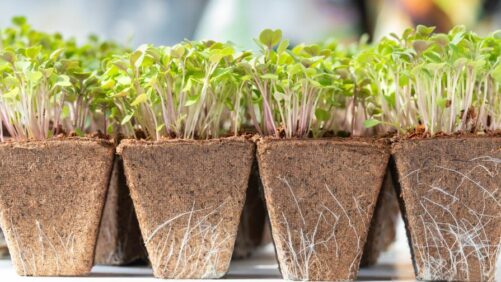
When growers select a biocontainer, they must consider aesthetics, durability, and whether or not the pot can safely be planted in the soil with the plant.
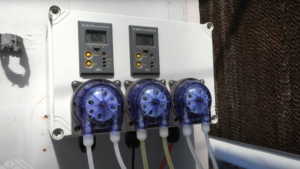
It is important to identify what strength of acid you’re adding to your irrigation water, along with specific gravity to accurately determine the rate you require.
Irving Fain, founder and CEO of Bowery Farming, digs into how the CEA operation is using hydroponics and digital tech to reimagine the future of produce.
Growers can improve their prevention and management of diseases in nurseries and greenhouses by registering for the University of Florida’s Disease Management online course.
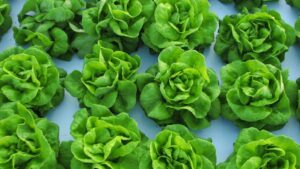
Are you just getting started in greenhouse lettuce, or do you need to educate new production team members? Here are some tips from the University of Alabama.
As indoor production of fruits and vegetables takes root in the controlled-environment industry, it is important to understand how produce buyers view the space, and how the industry is responding.
Greenhouse Grower Editor Janeen Wright outlines why the goals and needs of your operation should be the main factors driving investments in technology.
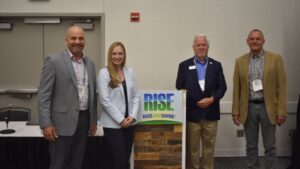
Attendees at the RISE Industry Issues Update discussed the benefits of advocating for the specialty pesticide and fertilizer industry on the local, state, and national level.