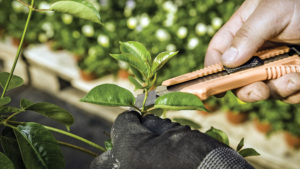
Join crop experts from the University of Massachusetts on Jan. 18, 2022, for a virtual education program that will feature tips for growing young plants and managing pests in spring greenhouse crops.
Production facilities must have the capacity to generate and store sufficient volumes of irrigation water.
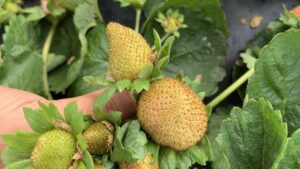
University of Florida scientists have found a way to better control chilli thrips in strawberries using biopesticides and beneficial mites.
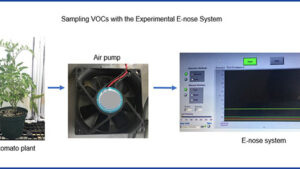
A team of USDA and university scientists has developed an electronic nose to sniff out whitefly infestations of tomato plants.
In South Florida nurseries, pink and yellow hibiscus varieties appear to be more susceptible to this hibiscus bud weevil than red and other varieties.
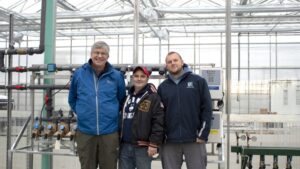
An improved water management system is just one of the many projects in the works at this progressive New England greenhouse operation.
Greenhouse Grower asked crop protection suppliers for an update of what’s new at their companies. Here’s what a few of them had to say.
American Floral Endowment’s first Grow Pro webinar of 2022 will focus on successful handling and propagation of unrooted cuttings.
Feeling the heat: Learn ways that steroid hormones contribute to the heat stress resistance of plants.
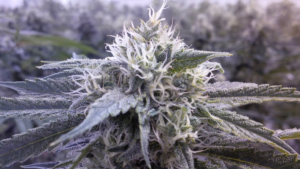
Hop latent viroid, lettuce chlorosis virus, and cannabis cryptic virus, if left unchecked, can greatly reduce the yield and potency of cannabis plants.

Solar panels, energy curtains, and a robust offset program have combined to reduce Westerlay Orchids’ carbon footprint by 43%.
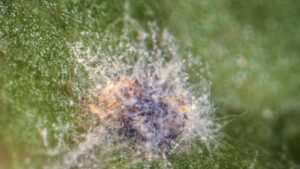
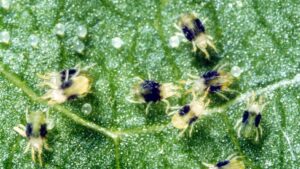
Spider mites can cause extensive damage and reduce yields in greenhouse strawberries if not caught early in the season.
From tech investments at big growing operations to pes control tips, here are the cannabis stories you were most interested in this year.