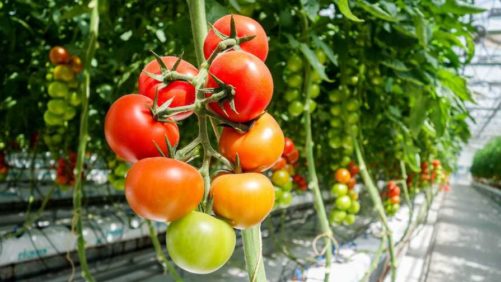
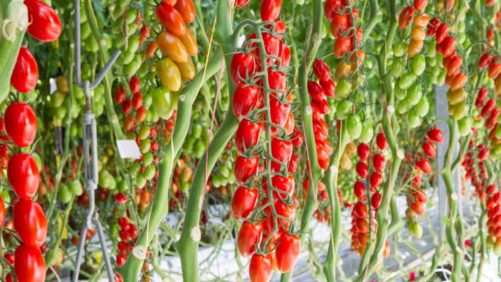
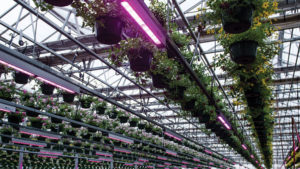
Anything you can do up front to prevent diseases from getting a foothold gives you an advantage in keeping your greenhouse tomato plants healthy and productive.
The collaboration between Bayer and Prospera is designed to help growers sustainably meet increasing global needs through innovative digital solutions.
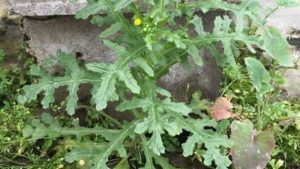
This weed is classified as a winter annual based on when the seeds germinate, although it also has the capacity to germinate under shady conditions in summer or fall.
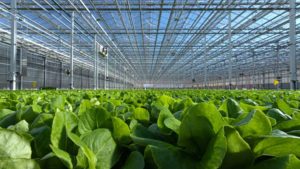
This past week, government officials from the state of Kentucky and the Netherlands finalized an agreement to create an ag tech hub in the region, starting with the opening of a new greenhouse vegetable operation this fall.
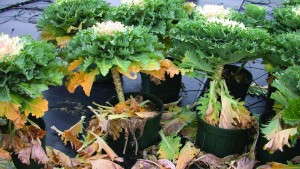
Excess nitrogen levels result in undesirable shoot growth and increased susceptibility to insect pests, affecting the growth and quality of many crops.
Find out who won and how the team translated research and knowledge into positive results, and what the greenhouse tomato industry can learn from the challenge.
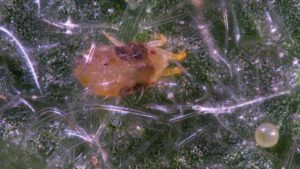
Growers who watch for the first signs of trouble and create a biological release schedule to meet this first generation will have the best chance at control.
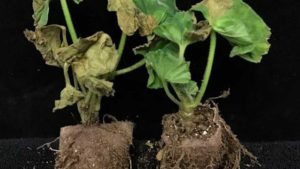
Only a handful of operations were confirmed by USDA to have limited numbers of plants confirmed with the pathogen, which causes a wilt disease in ornamentals and other greenhouse crops.
AmericanHort’s Craig Regelbrugge outlines how this USDA program will expedite the unrooted cuttings supply chain, while improving the quality of plant material.
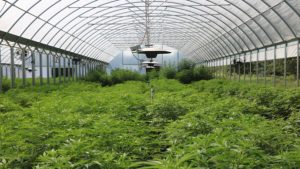
The business of legal cannabis is growing globally, and the folks behind the annual conference in Amsterdam hosted a recent webinar looking at the segment from a global perspective.