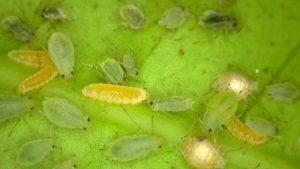
First Read Challenge 250 Is a New Crop Protection Initiative to Combat Invasive Pests By UF/IFAS News|September 23, 2026
Newsletter Ornamentals Can AI Run Your Greenhouse Business Now? By John Beauford, Advanced Grower Solutions|September 22, 2026
Management How Bob’s Market and Greenhouses Is Planting the Seeds for a Strong Industry Future By Brian D. Sparks|September 22, 2026
Leading Berry Grower and Indoor Vertical Farming Company Forge Partnership By Plenty|October 16, 2020 Driscoll’s, a leading consumer brand in fresh berries, and indoor vertical farming company Plenty Unlimited Inc., have announced […]
Cannabis KPIs: 5 Tips to Achieving Quick Wins By Jonathan Katz|October 16, 2020 Data collection and analysis doesn’t have to start with major investments, according to one industry expert.
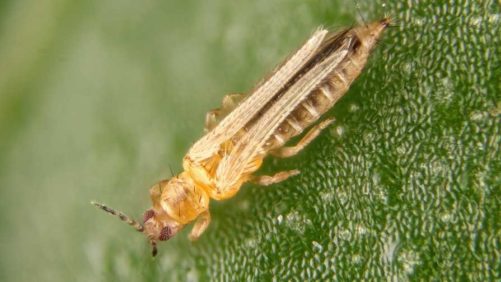
What to Know About Tomato Spotted Wilt Virus in the Greenhouse By Gene McAvoy|October 15, 2020 Once this deadly virus takes hold of your tomato crop, the damage is done. Try these eight best practices to manage the disease effectively.
How to Get Your Greenhouse Production Questions Answered Posted by Brian Sparks|October 14, 2020 CropKing is hosting a series of online sessions designed to address grower concerns about pest management, plant nutrition, and more.
Intensive Workshop to Focus on Hydroponic Tomatoes Posted by Brian Sparks|October 14, 2020 Greenhouse tomato growers can join the University of Arizona Controlled Environment Agriculture Center (UA-CEAC) for its first ever […]
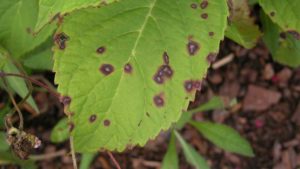
Now is the Time to Watch for Fungal Disease in Hydrangeas By Paul Pugliese|October 14, 2020 Many leaf diseases such as Cercospora leaf spot that are apparent in the fall are actually the result of infections that occurred in the spring.
On-Demand Webcasts Feature Educational Bug Bites for the Greenhouse Posted by Brian Sparks|October 13, 2020 These presentations can help you get your biocontrol questions answered by industry experts.
How Plant Tips Stay Virus-Free, and What it Means for Future Plant Health Research By Science Magazine|October 11, 2020 The meristem, the collection of stem cells that builds plants, is resistant to viral infection. Here’s why.
Why These Student-Led Research Projects Stand to Benefit All of Floriculture By Floriculture Research Alliance|October 11, 2020 Learn more about initiatives that will help build the long-term viability of the industry.
How Your Survey Participation Can Help Lead a Revolution in Plant Health By Soilless Substrate Science|October 10, 2020 What are your biggest needs as a grower when it comes to soilless substrates? A group of researchers wants to know.
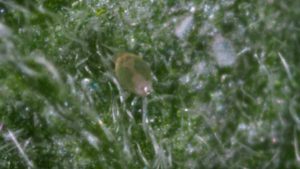
Beware of Broad Mites in Cannabis Posted by Brian Sparks|October 8, 2020 Broad mites prefer young plants and are typically found feeding on the newest growth.
New Tool Automates Pesticide Residue Testing in Cannabis Posted by Brian Sparks|October 8, 2020 The streamlined approach is designed to help increase productivity, compliance, and consumer protection while also saving time and money.
Tomato Breeder IDs Gene That Provides Resistance to Devastating Disease Posted by Brian Sparks|October 8, 2020 Enza Zaden has found a potential solution for tomato growers to beat the tomato brown rugose fruit virus. See how they did it.