Recent data from Statistics Netherlands shows that biological pest control was used in 94% of greenhouse crop cultivation in 2024.
From crop-specific biological controls to better scouting and record keeping, growers are refining their pest management strategies.
American Floral Endowment’s next Grow Pro webinar covers the quality assessment of biological control agents.
The floriculture industry has elevated its use of biological controls to the point where many integrated pest management programs are now targeted based on either crop or pest.
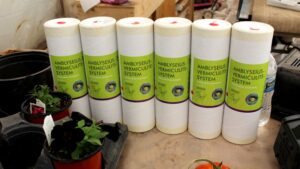
Limonica Ulti-Mite combines predatory mites (Amblydromalus limonicus) with Koppert’s slow-release technology.
The 2025 Greenhouse Biological Control Conference from UConn Extension will be held on Thursday, Sept. 18, 2025.
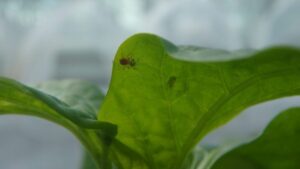
Sarah Jandricic of OMAFRA looks at Lewis mite biocontrol and chemical pest control options to prevent poinsettia damage.
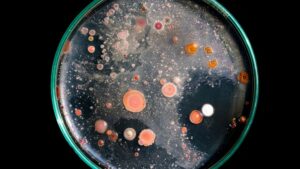
This new BioWorks bioinsecticide is now registered for use in the U.S. for foliar spray, soil drenching, dipping, and aerial applications.
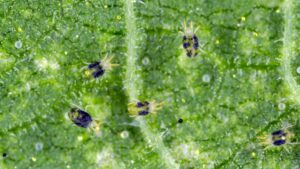
Dr. Sarah Jandricic of OMAFA covers the different types of microscopes available and important features that can benefit IPM practices.
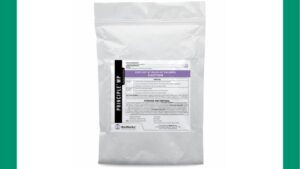
The Principle WP biological insecticide for aphid, thrips, and whitefly control has received EPA approval for use in the U.S.
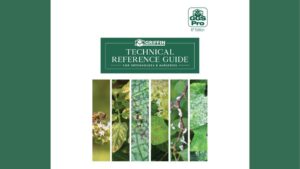
The 6th Edition of the GGSPro Technical Reference Guide offers resources to help new and experienced growers optimize their operations.
A new study from Stratovation Group shows that 65% of specialty crop growers use biologicals to boost crop yield and quality.
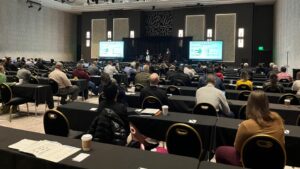
The event, which takes place Feb. 18-20 in Fresno, CA, features a packed agenda designed to help both experienced and new users of biological controls boost their knowledge.