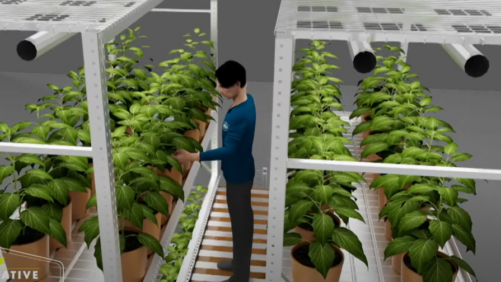
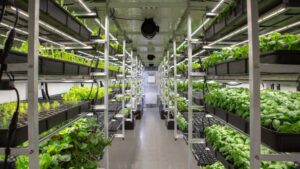
Hydrofarm’s Innovative Growers Equipment commercial division will serve as the North American manufacturing and marketing hub for CEA Advisors’ Growtainers and Growracks.
The discussion at the International Fresh Produce Association’s Retail Conference revolved around the need for transparent communication, education, simplified messaging, and a focus on product quality to effectively convey CEA benefits to consumers.
From planning early to following a roadmap for design optimization, here are just a few factors to consider when building a new controlled-environment facility.
During a panel discussion at the recently held Vision Conference, a panel of industry insiders argued that once the industry is over a “trough of disillusionment” that is happening right now, the future for CEA is bright.
The new CEA Alliance will continue its support of food safety standards for indoor-grown produce, but will also focus on public policy advocacy, sustainability, and addressing consumer needs.
Urban Crop Solutions is partnering to set up a research center on indoor farming applications that will focus on the impact of climate change as a driver of the shift to indoor production.
Thanks to a $3.77 million USDA grant, The Ohio State University will spearhead a four-year study in collaboration with three other leading ag universities, along with technology provider Koidra.
In an exclusive interview, learn how AgriFORCE is addressing the long-term needs of growers looking to feed the world in an increasing challenging environment.