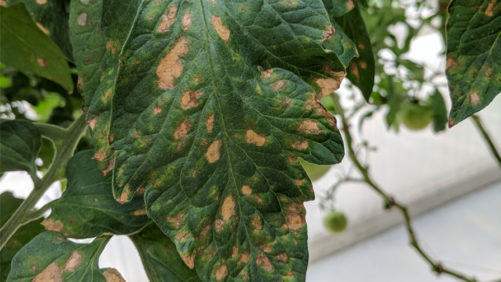
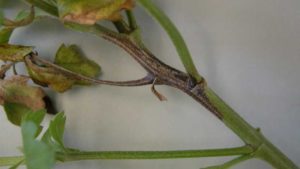
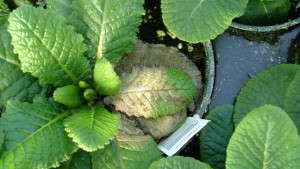
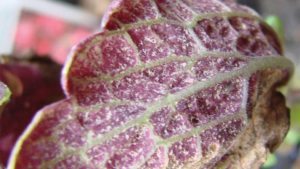
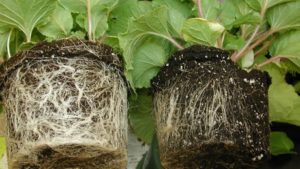
While damage figures from the 2015-2016 winter rains are still being compiled, researchers have found that Phytophthora and Pythium caused severe destruction in many plants.
Early detection of disease and virus symptoms in the greenhouse is critical. One expert says there are a few pathogens in particular that growers should be monitoring.
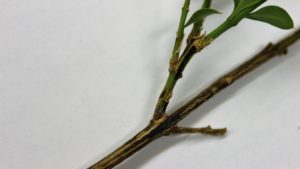
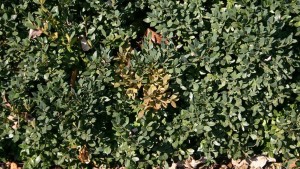
The USDA Animal and Plant Health Inspection Service has allocated millions in funding to research plant pests such as boxwood blight, downy mildew, and phytophthora.
Eric Smith, BioSafe Systems’ New Horticultural Technical Sales Representative, has several years of experience that he says will help him when working with growers on critical issues facing them.
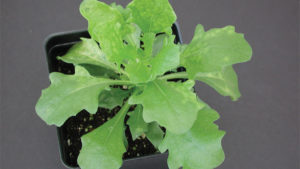
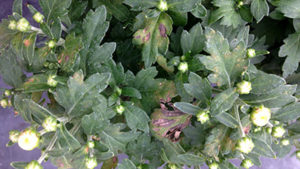
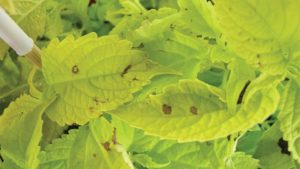
According to a report from Michigan State University, symptoms of tomato spotted wilt virus on chrysanthemum include yellow blotching and rings, necrotic lesions, and stem collapse.
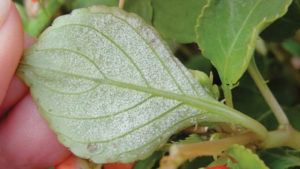
Downy mildew diseases are potentially devastating to ornamental crops and at the very least can cause unsightly damage. Check out the latest research and recommendations for preventing it.