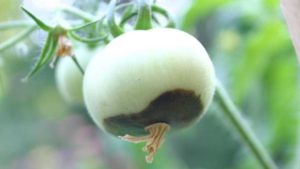
Battling Blossom-End Rot in Tomatoes
January 5, 2021
Keep cannabis bud rot in check with this advice from a plant pathology expert.
As more new plants are released targeting disease and/or abiotic stress management, the hort industry will be tasked to explain the meaning of resistance and tolerance to consumers.
A broad-spectrum insecticide, fungicide, and miticide has been approved for use by greenhouse vegetable growers to manage diseases, aphids, and more.
Bacterial spot can be devastating to fresh tomatoes, which is why University of Florida scientists want to understand how the pathogen that causes the disease spreads and evolves.
A common greenhouse fungicide can now be used for control of pythium, phythophthora, and downy mildew on certain greenhouse-grown vegetables and herbs transplants.
Since the discovery of Ralstonia solanacearum Race 3 biovar 2 in a Michigan greenhouse last month, experts from across the industry are moving quickly to make sure the problem does not spread.
Leaf mold can cause infection under prolonged periods of leaf wetness and when relative humidity remains above 85%.
Botrytis cinerea, commonly called gray mold, infects many greenhouse ornamentals and is considered one of the most problematic plant pathogens in the world.

Hemp growers looking for new materials to manage insects and diseases now have a few additional choices.
Controlled-environment greenhouse growers have a range of new options for managing diseases, weeds, and insects.
The tomato brown rugose fruit virus poses a threat to greenhouse tomato production. Hear what experts in the United Kingdom have to say about how to stop it.
Liverwort can be a problematic week in herbaceous perennials, woody ornamentals, or crops with long production cycles.
Ornamental growers, along with cannabis and hemp growers, can suffer damages if proper attention isn’t paid to preventing pest management problems.