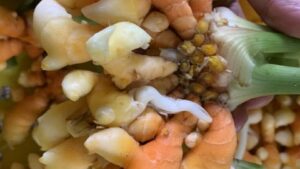
Vanilla and turmeric are on the rise as greenhouse-grown crops, due to years of research and looking for the most profitable market for these products.
Greenhouse organic produce company Soli Organic recently raised nearly $125 million to build additional large soil-based indoor farms.
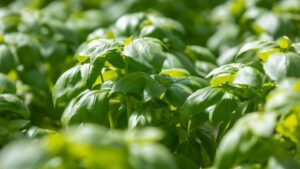
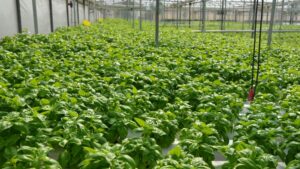
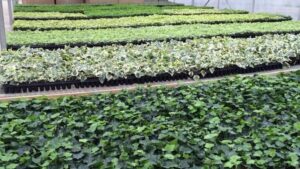
A Michigan State University-led team has received a USDA grant to evaluate the profitability and environmental sustainability of fresh cut and potted culinary herbs grown in controlled environments.
Silverleaf has an extensive herb offering, with more than 200 varieties, while Green Leaf offers more than 100 herb varieties.
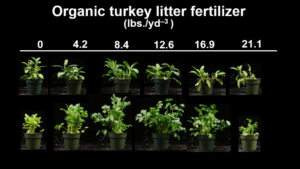
When used in the right quantity, turkey litter is an ideal fertilizer for organic culinary herbs in finished containers.
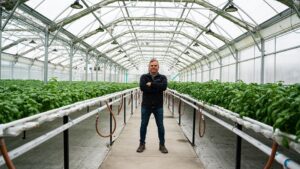
Learn how this New York-based company first experimented with growing leafy greens and herbs in the 1980s, and how adding new greenhouse technology has helped it build for the future.
Researchers at Iowa State University and Cornell University found that turkey litter fertilizer is successful in organic culinary herb production.
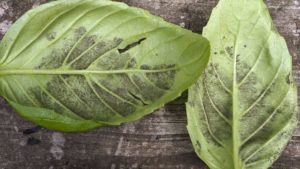
These crops can be susceptible to several diseases that reduce plant quality and marketability.
Survey feedback will help guide a potential research project on marketing, economic barriers, food safety, plant protection, and production issues related to culinary herbs.
Shenandoah is working with Bosman Van Zaal on the installation of a new cultivation and plant handling system for its facility in Anderson, SC.
Potted-herb operation seeing bright future in using alternative power source.
The new BioFarms will solve persistent problems in the fresh product supply chain, with the goal of delivering peak freshness year-round.
In the wake of the romaine lettuce recall, Square Roots, a Brooklyn, NY-based vertical farm with famous co-founders, has launched new labeling allowing consumers to access their food’s full backstory with a simple scan.