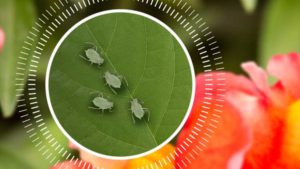
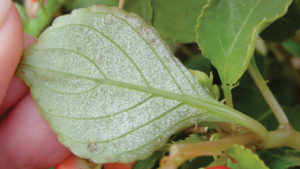
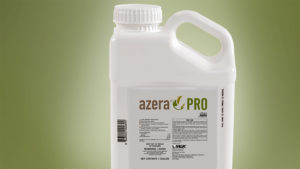
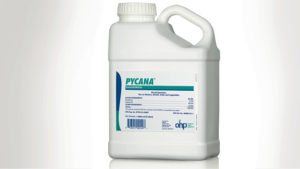
OHP is enhancing its offerings to greenhouse growers with an updated organic label for one of its insecticides, as well as the launch of a new herbicide.
The funding will be used to examine ways to prevent the introduction or spread of invasive plant pests and diseases that threaten U.S. agriculture and the environment.
Three New England universities are collaborating on a weekly webinar program covering topics such as pest management, making the most of growing media, and more.
Knowing that many worker dogs are trained to recognize and discover scents associated with drugs or bombs, the company figured it was possible to train a dog to recognize pepper weevil.
OHP is making two new crop protection tools available to greenhouse growers: Kopa, an insecticidal soap, and California registration for Ancora, a microbial insecticide.
Over the past few months, crop protection companies have developed several new products designed to help you manage a wide range of insect and disease pests. Here’s a look at some of them.
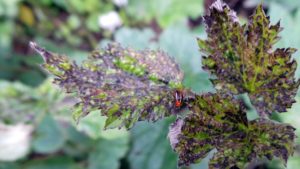
Four-lined plant bug damage is very characteristic: circular brown to black spots about one-sixteenth of an inch in diameter. The spots are easily mistaken for disease or frost damage.