Hard surfaces like the concrete in a greenhouse or compacted ground of a nursery are perfect environments for the development of this blue-green algae.
Mealybugs extract plant fluids through their piercing-sucking mouthparts, leading to stunted growth, yellowing leaves, and wilting. Learn more from two industry researchers.
Selling farm goods to restaurants, retail stores, or institutions requires specific skills that you can either learn from years of direct experience or from the voices of people in the local wholesale chain.
Greenhouse growers that are new to the industry, or those that are interested in brushing up on their knowledge, can sign up for four courses in the Online College of Knowledge greenhouse series.
Growers can earn a plant health professional certificate by taking greenhouse online courses administered through Michigan State University Extension and the University of Florida.
The Michigan State University Extension floriculture team has developed an informative lineup of education sessions that cover perennially popular subjects, current issues, and contemporary topics.
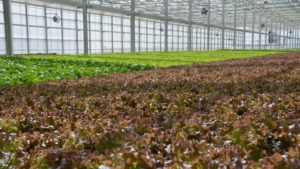
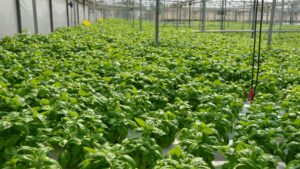
A Michigan State University-led team has received a USDA grant to evaluate the profitability and environmental sustainability of fresh cut and potted culinary herbs grown in controlled environments.
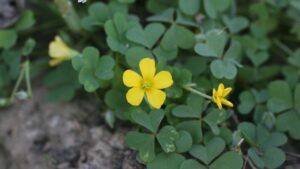
Oxalis is difficult to control because it can spread by rhizomes, stolons, and seeds. Populations can negatively affect the growth rates of ornamental crops.