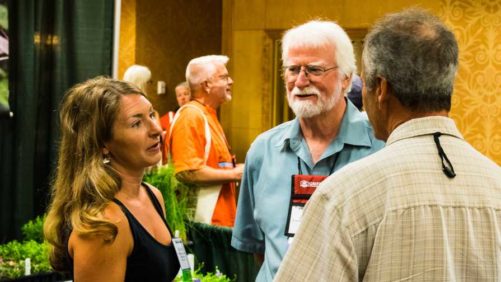
Perennial and gardening enthusiasts of all experience levels are invited to attend plant discussions on Monday, July 30 for a chance to hear from the best in the field on a range of topics.
The courses, presented by Allan Armitage, can help growers, retailers, and landscapers learn more about plant origin, characteristics, bloom time, flower structure, and optimum growing conditions.
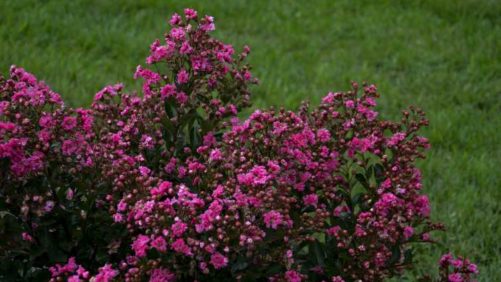
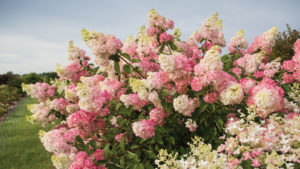
The future looks bright for the woody ornamentals market, with exciting new varieties in the pipeline that will offer greater disease resistance, cold hardiness, bloom capacity, and more.
The woody ornamentals market is looking up. Now, out-of-the box thinking about product offerings and consumer education will keep things moving in the right direction.
Jonathan Babikow, Emerald Coast Growers’ new general manager/head grower for its Lancaster, PA, location, talks about his favorite perennials, the advantages of growing in Pennsylvania, and his future hopes for his career.
“Hot New Perennials for 2018” is a compilation of information shared with Eason from a broad range of perennial young plant producers, breeding companies, and breeder representatives.
The Perennial Plant Association’s annual Symposium takes place July 23-28 in Denver, CO, and features 28 educational sessions, six local tours, and a trade show.
We asked breeders to share with us pictures and information on some of the true perennials and tender perennials that you’ll see at California Spring Trials 2017. Here’s a sampling of some of the varieties hitting retail shelves in 2018.
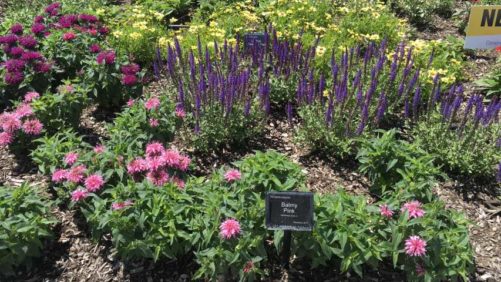
Pollinator friendly perennials are the foundation of a well-rounded pollinator garden. Check out this list of 45 perennials that are sure to attract bees.
Customers who want to attract butterflies, bees, hummingbirds, and other pollinators to their gardens need plants that will provide food, shelter, and protection throughout the year. Consider carrying a few of these 16 pollinator-friendly perennials for retail sales in 2017.
Low maintenance, pollinator friendly, naturalistic, long-lasting — perennials are all that and more. These 21 perennials are tough enough to take the cold, ensuring they will add color and texture in the garden until the first killing frost.
A survey by researchers from Purdue University and Michigan State University report the hurdles growers face when propagating perennials, and the practices they use to root them successfully.