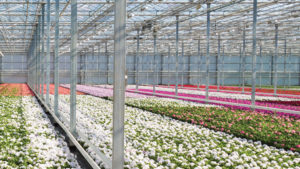
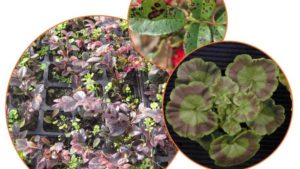
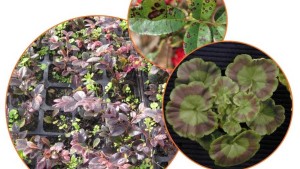
The event is a chance for growers to see the latest poinsettia varieties evaluated in the National Poinsettia Trials, and hear more about the latest poinsettia research.
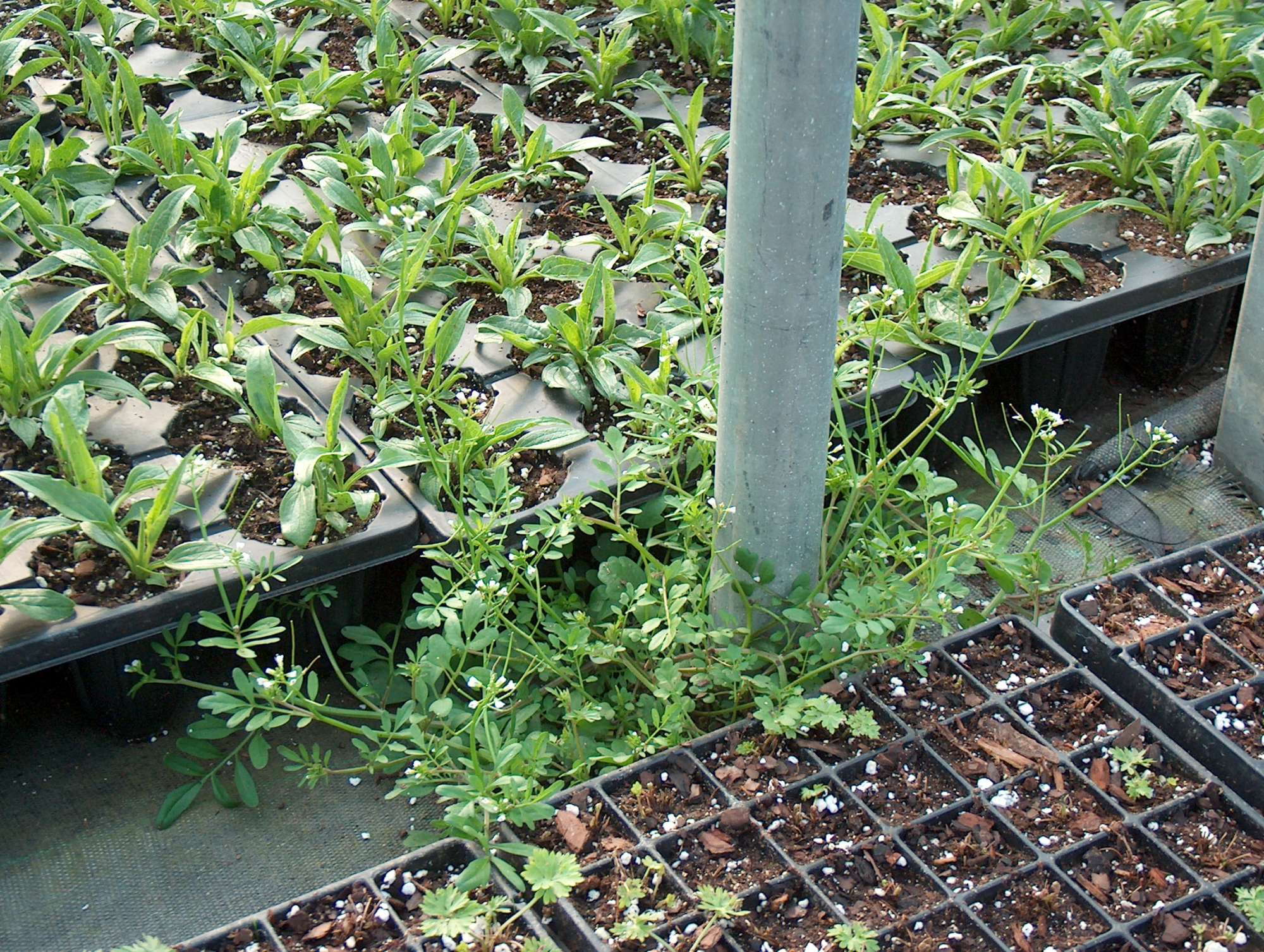
The University of Florida is offering a new online training course covering weed management in the greenhouse. The course offers Continuing Education Units (CEUs) for growers in many states.
A new economic impact study from the University of Florida says the green industry contributes more than $21 billion in sales and 230,000 jobs to the Sunshine State’s economy.
The course begins September 25 and offers tips on all aspects of weed management in nurseries and greenhouses, including weed identification, developing herbicide programs, and the latest non-chemical methods of weed control.
The University of Florida (UF) Institute of Food and Agricultural Sciences is offering an Advanced Nutrient Management course through its online greenhouse training program.
The Florida Nursery Growers and Landscape Association’s Florida Flower Trials, which are focused on new and improved varieties able to thrive in the extremes of Florida’s climate, are a great opportunity to connect with national breeders.
Beginning on Jan. 24, experts from Clean WateR3, a federally-funded research team, will present topics that are focused on helping growers reduce, remediate, and recycle irrigation water.
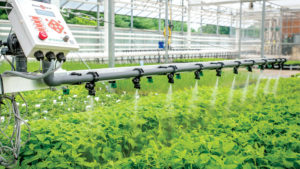
Attendees can check out the latest poinsettia varieties evaluated in the National Poinsettia Trials along with University of Florida greenhouse research, including automated irrigation management and heat delay.
Participants in the course, which starts October 24, will learn how to manage all aspects of weed management in greenhouses, including weed identification, developing herbicide programs, and the latest non-chemical methods of weed control.
Topics include common nutrient problems, essential nutrients, fertilizer types, how to interpret a fertilizer label, managing total nutrient level, pH, and EC, onsite testing, and growing media.
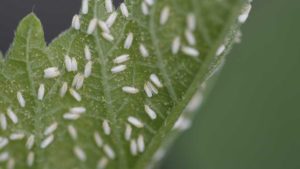
Reports have come from the Florida Keys to Palm Beach County that whitefly populations in landscapes are reaching unprecedented levels and are not responding to pesticide applications. Biotype-Q has been found in four different communities. University of Florida/Institute of Food and Agricultural Science researchers are working with USDA-APHIS, USDA-ARS, the Florida Department of Agriculture, and growers and landscape professionals to manage the developing problem.
There will be five courses offered, with the first starting on May 30. Courses are available in both English and Spanish and range from beginner level to advanced education.
According to the study, the rise of large retail chain stores with garden departments has made plants and other horticultural products more readily available to consumers than ever before.