



Getting More from Environmental Controls
 April 14, 2026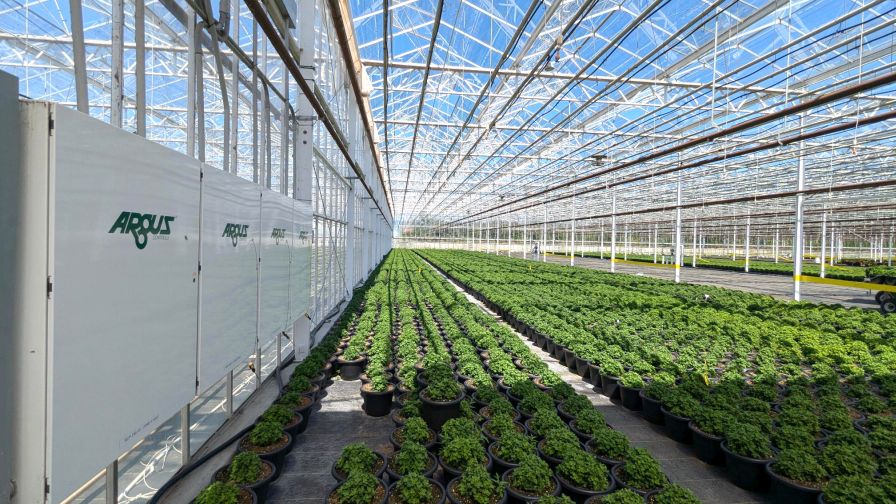
Environmental control systems can help growers manage greenhouse conditions more precisely and efficiently. | Argus Controls
Environmental control systems have become more capable, but many growers still struggle to use them to their full potential. Whether the issue is complexity, underused features, or hesitation around automation, suppliers say the same problems come up again and again.
Molly Dishman, Head of Product for Bartlett Instrument Company, says one of the biggest challenges for growers is understanding environmental controls, especially when systems become too complex to use effectively. If a system is difficult to understand, growers may not use it to its full potential or may program it incorrectly. A grower may get frustrated and manually turn a fan system off at the breaker, preventing the controller from cycling it properly. Then they become even more frustrated when the control system is not working as expected.
Dishman says simplicity remains a priority as Bartlett develops new products, since overly complex systems are less likely to be used to their full potential.
She also points growers toward functions they may already have available but are not using, noting that auxiliary outputs are commonly underutilized. Integrating existing lighting, misting, or shade systems with an environmental controller can be straightforward, but growers do not connect those systems at setup, even though integration often improves both system performance and day-to-day management.
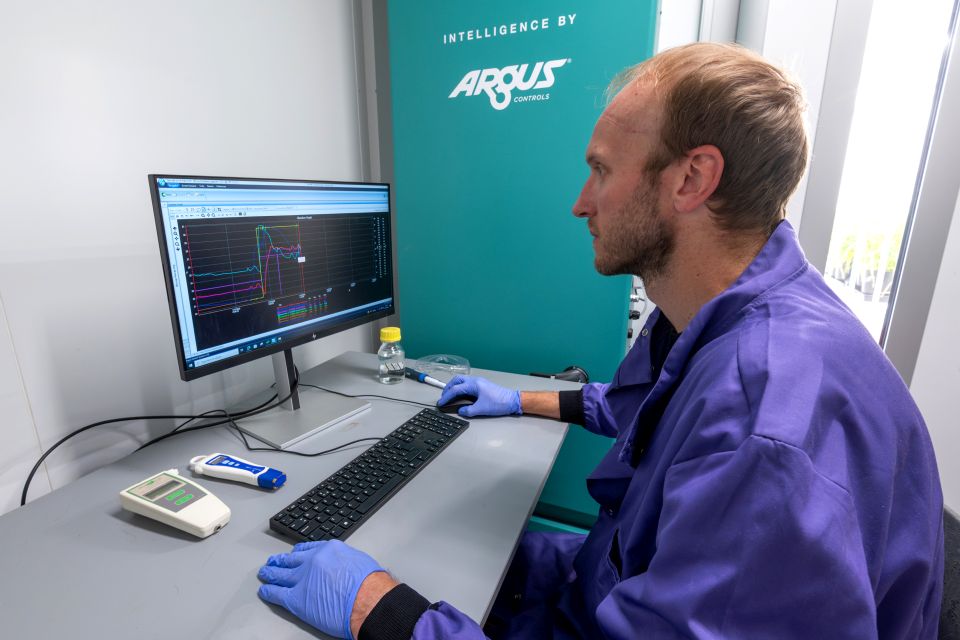
Suppliers say one challenge for growers is learning to trust automated systems and use them to their full potential. | Argus Controls
Justin Jacobs, Technical Manager-Client Operations at Argus Controls, says another major challenge is helping growers understand what their environmental control system can do and then trust it to perform. He notes that many growers are transitioning from manual, hands-on systems to automated controls, which can be a difficult adjustment.
That hesitation can look like a grower turning down an old thermostat at the end of the day or a greenhouse worker physically opening a valve to let water down the pipe, someone reluctant to trust a computer to handle those tasks instead. Jacobs mentions that many newer operating systems are no longer touchscreen-based and instead run from a computer in an office, which can make the transition even more difficult for growers who have spent most of their careers managing systems by hand.
Planning for an Upgrade
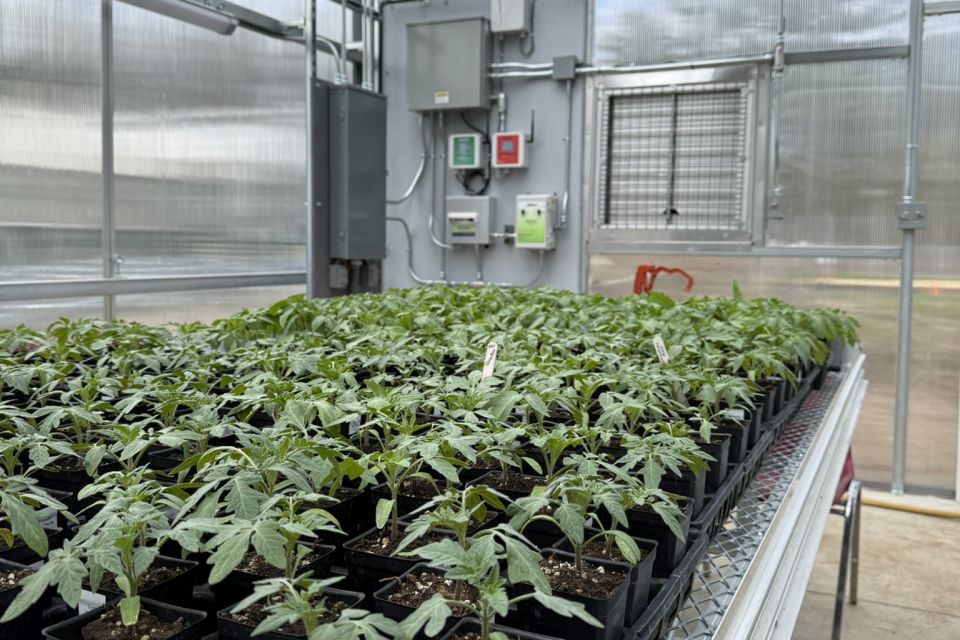
A pre-install assessment can help growers identify infrastructure issues before upgrading environmental controls. | Bartlett Instrument Co.
Planning well in advance is key, but suppliers say there are other important considerations for operations looking to upgrade or retrofit their environmental control systems.
When shopping for a system, growers should consider not only the features but also the durability of the hardware and the service behind it. Jacobs notes that responsive support is critical when problems arise, especially during production. Custom-built, one-off systems may offer flexibility, but they can also leave growers in a difficult position if something fails and support is unavailable.
Nick Earls of Wadsworth Control Systems says having an installer who is well versed in greenhouse controls is also important. “Typically, they have tricks to temporarily wire equipment to simple systems or thermostats for controlling items during the upgrade process. Lots of facilities like to upgrade in the winter since they can wire their heaters to thermostats while the upgrade is in progress.”
Plan for More Than You Need Today
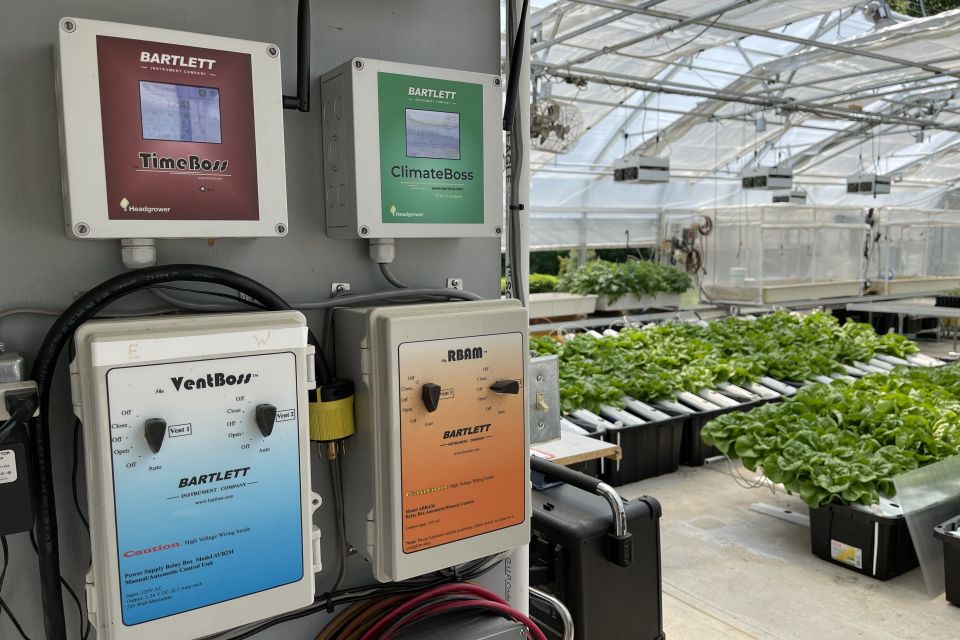
Building in room for future expansion can make environmental control systems more flexible and cost-effective. | Bartlett Instrument Co.
More capable systems may cost more upfront, but adding functionality later can be even more expensive.
Earls says one common pain point is purchasing a controller without enough capacity to manage everything the grower eventually wants to control. He adds that smart irrigation control is one of the most commonly skipped components, even though labor remains one of the biggest costs in greenhouse production. With tools such as soil sensors and pressure-compensating drippers now available, automating irrigation can offer meaningful labor savings and reduce reliance on hand watering.
Jacobs says growers planning to add fans, shade cloth, or even another heater should keep that future expansion in mind when purchasing or retrofitting an environmental control system. The equipment itself does not need to be purchased up front, but having room in the enclosure for future inputs and outputs can save both hassle and expense later on. For operations expecting to expand, building in extra controller capacity at the time of installation or retrofit is often worth the added upfront cost.
Using Controls to Cut Energy Costs
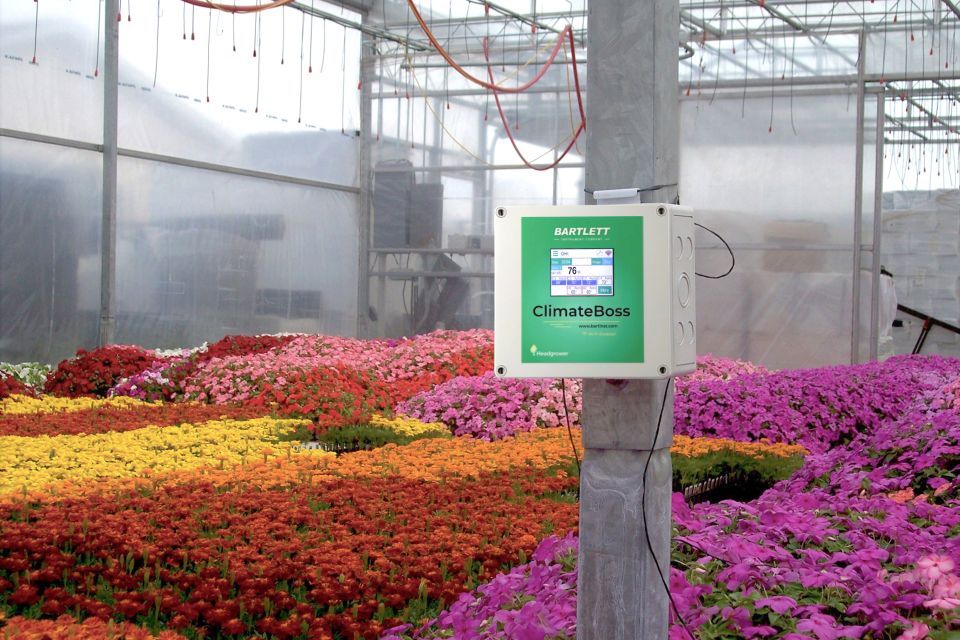
Environmental control systems can integrate functions such as ventilation, misting, and shading into a single greenhouse management setup. | Bartlett Instrument Co.
Modern environmental controllers offer greater precision than older analog systems and far more control than manual operation. That precision can translate into meaningful energy savings. System integration and the data generated by control systems can help growers fine-tune greenhouse conditions, identify environments favorable to pest outbreaks, and schedule maintenance more effectively.
Dishman notes that replacing thermostats with an integrated control system can reduce wasted energy by preventing heat from running when vents are open or when fans are on. She also says one customer reported that labor savings alone, from no longer having employees manually open and close vents, paid for a new controller in a single season.
Earls says integrated controls with graphing and data logs can help growers fine-tune settings to reduce energy use while maintaining crop quality. He points to energy curtains as one of the easiest ways to save energy, whether by retaining heat or reducing cooling demand through shading. While energy curtains use very little power themselves, he notes that they require a capable control system to deliver the greatest benefit.
Environmental control systems can also reduce temperature overshoots, cut wear and tear on equipment, and log run hours to help schedule maintenance or rotate equipment more evenly. When considering upgrades or new installations, growers should also check with municipalities and utility providers for available rebates. Those incentives can help offset transition costs and make more efficient systems easier to afford.
Subscribe to eNewsletter