First Read Gut Check: Is Your Operation Ready for the Next Disruption? By Brian D. Sparks|September 20, 2026
First Read What the American Dream Warning Means for the Green Industry By Chris Cimaglio|September 19, 2026
First Read Grower to Grower Podcast: Cover Stories, Trials Travels, and More By Brian D. Sparks|September 18, 2026
BioWorks Launches BioRain Ax to Aid Water-Limited Plants By BioWorks|September 4, 2026 BioRain Ax is designed to strengthen root systems, increasing nutrient uptake in plants growing in water-limited environments.
Envu, Nufarm Now Offering Early Order Programs for Greenhouse Growers By Greenhouse Grower staff|September 3, 2026 These programs give growers a chance to plan ahead for the coming season while maximizing savings across an expanded portfolio.
Garden Media Group Unveils the 2027 Garden Trends Report By Garden Media Group|September 2, 2026 Garden Media Group’s 2027 Garden Trends Report identifies seven consumer trends and how the industry can capitalize on them.
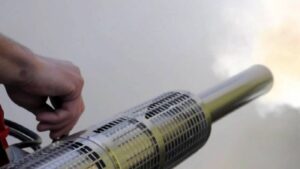
Registration is Now Open for MSU Extension’s Workshop on Fog Use in Greenhouses By Michigan State University|August 31, 2026 Attendees will discover practical strategies for using foggers, ULV equipment, and biorational products in greenhouse production.
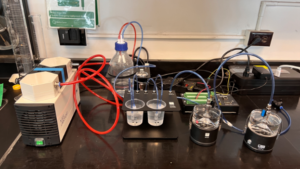
Sensor-Based Irrigation for Greenhouse Ornamental Crop Production By Ping Yu|August 31, 2026 Sensor-based irrigation delivers water based on the substrate’s volumetric water content, which could improve water use efficiency and reduce overall water use.
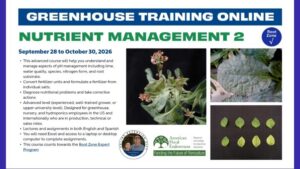
2026 Greenhouse Training Online Continues with “Nutrient Management 2” By UF/IFAS News|August 31, 2026 The next course from the 2026 Greenhouse Training Online series is “Nutrient Management 2,” beginning on Sept. 28, 2026.
Learning Opportunity: Soil Science for Sustainable Cut Flower Production By Greenhouse Grower staff|August 31, 2026 American Floral Endowment’s next Grow Pro webinar covers soil science principles to ensure sustainable and successful cut flower production.
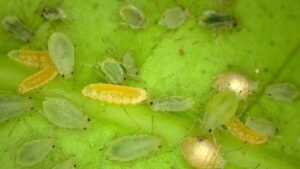
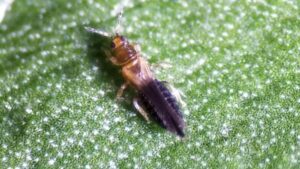
The Latest Thrips Parvispinus Research Reveals New Greenhouse IPM Strategies By Greenhouse Grower staff|August 27, 2026 ONfloriculture has compiled new research to outline integrated pest management findings for greenhouse growers.
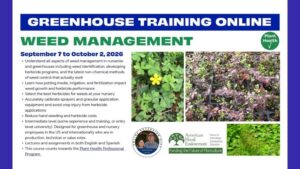
2026 Greenhouse Training Online Continues with “Weed Management” By UF/IFAS News|August 26, 2026 The next course from the 2026 Greenhouse Training Online series is “Weed Management,” beginning on Sept. 7, 2026.
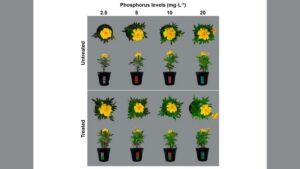
New Research Explores Emerging Tools for Plant Health By Brian D. Sparks|August 25, 2026 Two research projects explore how insect-derived amendments and beneficial bacteria can help improve nutrient efficiency and performance.
Canadian Peat Moss Association Updates Industry Fact Sheets By Brian D. Sparks|August 25, 2026 The most recent updates include examples of restoration efforts, certification changes, and more.
The Difference Between Pollinator-Friendly and Wildlife-Friendly in Plants By Greenhouse Grower staff|August 18, 2026 Here’s a look at how simple marketing language can greatly affect the buying habits of U.S. plant shoppers.
Preventing Greenhouse Diseases in Tropical Propagation By Chris Rocheleau|August 13, 2026 Disease prevention in tropical foliage propagation starts with creating the right environment for cuttings to root quickly and stay healthy.