



Lessons From Milwaukee’s Monarch Flyway Planting on Pollinator Plants and Public Buy-In
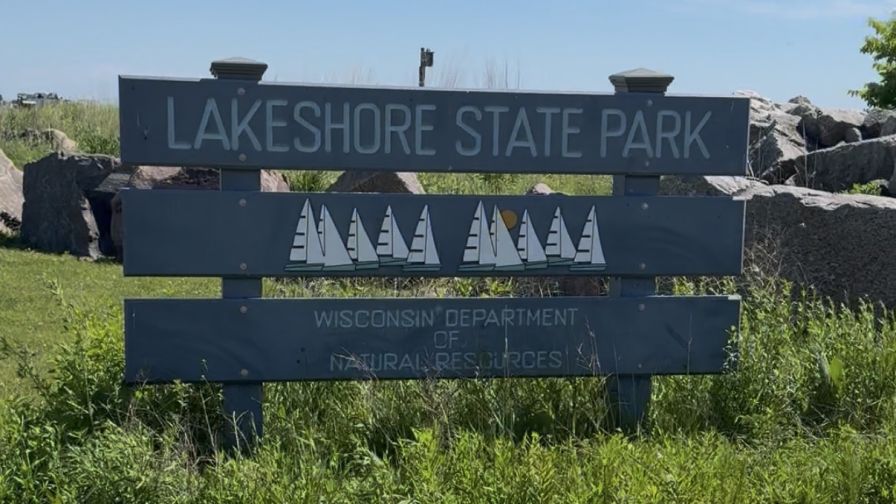
The Lakeshore State Park sign. | Marisa Reyes
As someone from Milwaukee, I have always loved living in a city where the lakefront is both a gathering place and a natural resource. So, when I heard Johnson’s Nursery, based in Menomonee Falls, WI, was helping lead an event to expand pollinator habitat along Milwaukee’s lakeshore, I immediately signed up to volunteer.
On Saturday, June 13, 2026, from 10 a.m. to 2 p.m., volunteers gathered at Lakeshore State Park in Milwaukee for the Lakeshore State Park Monarch Flyway planting. The goal was to plant 2,000 native Wisconsin perennials for monarch butterflies and other pollinators. Johnson’s Nursery provided the native plants, and the project brought together several partners and community members around the shared purpose of creating more pollinator habitat in one of Milwaukee’s most visible public spaces.
The turnout said a lot. Within about 20 minutes of the official event start time, nearly all of the plants were already in the ground.
To be fair, the Johnson’s Nursery team had clearly done a substantial amount of planning before volunteers arrived. They brought the plants, prepared the planting area, pre-dug the holes, and placed potted plants where they needed to go so volunteers could get right to work. That level of preparation really made the event feel organized, accessible, and easy for people of all ages and experience levels to participate in.
For growers, retailers, landscapers, and public garden partners, that level of public participation showed how much energy there is around pollinator habitat when people are given a clear, tangible way to participate. They were not just hearing about monarch decline or native plants in discussion. They were putting plants into the soil, seeing the scale of the project, asking questions, and connecting the work to a place they know and love. And that really stood out to me.
Milwaukee is an urban environment, but it is also a city with an incredible lakefront, parks, public green space, and a growing opportunity to show what habitat can look like in real life. Seeing such a large turnout for a monarch-focused planting at Lakeshore State Park was a reminder that pollinator protection does not have to feel complicated or out of reach. It can happen in visible, heavily used public spaces where people walk, bike, gather, and pass through every day. It can also happen through a grower program, a retail display, a landscape project, or someone’s own backyard.
It was also encouraging to see the educational side of the event. Booths at the planting offered information on native plants, plant selection, and native garden design. That matters because public interest in pollinator plants does not always translate into successful plantings at home. People may want to help monarchs and other pollinators, but they still need guidance on what to plant, how to design with native species, and how to understand a planting that will change over time.
That is where I believe our industry has an important role to play.
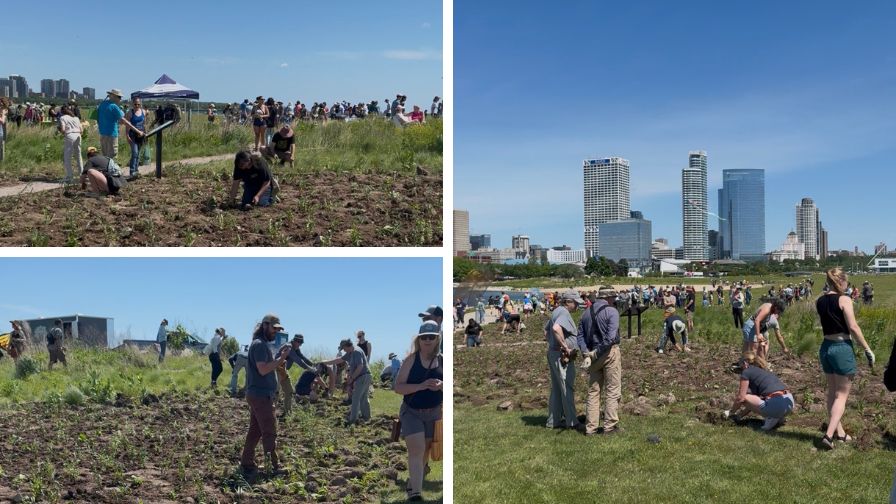
Scenes from the Lakeshore State Park Monarch Flyway planting. | Marisa Reyes
The Lakeshore State Park project included species such as blazing star, common milkweed, pasture thistle, showy goldenrod, New England aster, anise hyssop, and tall purple hyssop — plants selected not only for beauty, but for habitat value. For growers and retailers, it’s important to remember that pollinator plants are not simply another seasonal category. They carry a message that needs to be supported with accurate information, strong plant quality, and clear customer education.
A milkweed plant on a bench means more when a customer understands that monarch caterpillars rely on milkweed as a host plant. Goldenrod becomes easier to sell when shoppers understand its late-season value for pollinators and are guided past the outdated assumption that it is responsible for hay fever. A native aster or blazing star becomes more approachable when it is shown as part of a larger planting idea instead of sitting alone without context.
The event also showed the value of local and regional relevance. These were not generic “pollinator-friendly” plants dropped into a campaign. They were native perennials being planted in a specific place, for a specific ecological purpose, in a city where many people could see the results over time. That kind of place-based storytelling is something growers, retailers, landscapers, public gardens, and community partners can all learn from.
For the greenhouse industry, the opportunity is not just to grow more pollinator plants. It is to help people understand how to use them well.
That may mean stronger signage at retail or even grouping host plants and nectar plants together. It may mean offering native garden design templates, seasonal bloom guides, or simple “start here” combinations for customers who are interested but overwhelmed. It may also mean partnering with local organizations on visible, community plantings that demonstrate what these plants can do beyond the sales bench.
Because when people see habitat being created in a place they care about, perspectives change.
The Lakeshore State Park Monarch Flyway planting was a conservation project, but it was also a reminder of what plants can do when they are connected to the community. For those of us from Milwaukee, it was especially meaningful to see the city prioritizing pollinator habitat, native plant education, and public involvement in such a visible way, showing how habitat can take shape in places people already know and care about.
The monarch’s future will not be solved by one planting or one event, but projects like this help people see what is possible. They give the public a role, give native plants context, and remind the green industry that our work does not stop once a plant leaves the bench. In many ways, that is where the most important part of the story begins.
Subscribe to eNewsletter