



View: Trends From Essen
 February 17, 2009
Bart Hayes, annual trials manager at The Ohio State University, returned from IPM Essen in Germany earlier this month and shared his thoughts on trends he saw in plants, promotions and industry movements. He also wrote an essay on why U.S. growers should consider attending the show.
Introduction
IPM Essen is a massive trade show for everything horticultural in the world. Companies and visitors from all across the planet come to Essen, Germany to see what’s new and what’s available for the upcoming year. I was fortunate enough to represent The Ohio State University Chadwick Arboretum and Learning Gardens at the trade show this year. Following are some of the ideas I gleaned from the four days of trading stories, sharing ideas and speaking with folks in our industry from around the world.
Signage & Presentation
What struck me most of all is the way signage and plant presentation is used in Europe. Signage is huge. Branding seems secondary if not abandoned at the retail level.
On my visits to the small garden centers and flower shops, the biggest difference I saw was how full they were. Prime plant material was packed into these little shops, filling benches to full capacity.


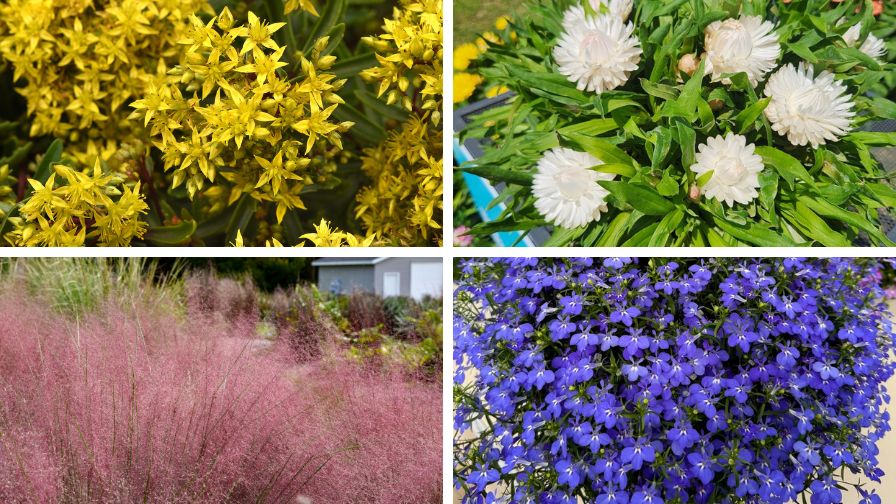
It is January. It is Northern Germany. It is cold. But the country’s stores are loaded with potted plants and forced bulbs like it’s May 1. This combination of bold signage and well-stocked stores makes for a pleasant shopping experience that has a different feel. It’s a positive feel that is sometimes lacking in the dark retail areas in winter in the United States.
Will these trends translate to our North American markets? Maybe, but it is important to see the underlying success in Europe so we can continue to build our markets here.
As far as the financial situation in Europe and its outlook for the future goes, it is very bright. I did not see any evidence of the situation slowing down. In fact, when I spoke with growers and companies based in Europe, they told me their sales and planning are set for two years down the road. Most experts in Europe say their economic troubles are going to last for at least the next year or so. So as far as the attendees at the show are concerned, they are already past the tough times and planning on the future.
I hope I can bring some of this optimism back home with me.
Small Flowers/Small Plants
When I started working retail at age 19, I developed a theory on sales. If a product met one of the three following criteria, it would sell. The more it met, the better it would sell.
1. It had to smell good;
2. It needed to look like something else; and
3. It was small (relative to what it was).
This little trio of sales factors has continued to serve me well, and I was not surprised to see that one of the trends spreading is small plants and flowers. The Danish greenhouse industry has made a niche market of small plants and flowers, but only now is the trend becoming more widespread.
Pots around 2 inches in diameter seem like the right size, and more and more plants are being grown in them. We are used to mini roses and succulents, but orchids and hydrangeas we have not seen before. They are cute as can be, fetch a great price point and are highly cost effective to produce per square foot of bench space with a fast crop time.
Orchids
Orchids continue to grow in popularity. Phalenopsis are available in just about every color and pattern imaginable, but new species and hybrids are coming out of the laboratories in the Netherlands, Japan and Taiwan. These new plants are just as adaptable as phalenopsis yet have a diversity of shape and color that is overwhelming. I took far too many pictures of orchids at the trade show and even needed a memory card change in my camera due to my excess.
“Natural Feeling” Marketing
Capitalizing on the increased awareness of the environment and everybody’s place in it, the next big marketing trend in Europe is using natural materials, organic shapes and containers. Fur, cork, driftwood and dried cut stems are components in decorating and retail marketing to help drive the idea of buying plants is a natural way to live or a way to increase your connection to nature.
On the flip side of this trend is a sleek, modern look of smooth lines and the use of whites and greens. Flat, non-glossy white used with accents of green/chartreuse, make for a pretty stark contrast to a natural look.
Responsibility
The next step in the sustainability movement is responsibility. We have come a long way in decreasing our industry’s effect on the environment by increasing energy savings, reducing inputs and simply being aware of the impact of our actions. The next step is to realize that our business affects people all around the world, not just our towns and regions where we sell plants.
Several “fair trade” flower groups have been developed to certify producers, brokers and retailers in the selling of plants that were produced using fair trade practices in the countries that grow the plants, to avoid the exploitation of workers in producing countries. These programs seem like a great way to encourage businesses to adopt a greater awareness of the supply chain and how they can make a difference, and also provide an opportunity to engage customers in a new way. A few websites to visit if you are interested in these programs are:
www.fairflowersfairplants.com
www.fairtrade.net/flowers.html
www.flo-cert.net
Subscribe to eNewsletter