The online resource center will provide members with late-breaking news updates, links to expert resources, and tips and tools to help businesses navigate the days ahead.
The arrangement will help facilitate the identification of foreign and domestic workers that may be available and eligible to transfer to other U.S. agricultural employers to fulfill critical workforce needs during the COVID-19 pandemic.
Find out how GenNovation’s state-of-the-art facility will accelerate the ability to develop ornamental varieties that can be cultivated more sustainably.
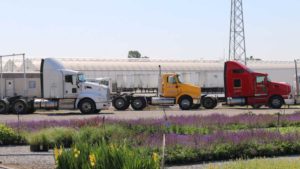
At a time when regulatory changes in the trucking sector have made shipping more complicated, AmericanHort is focused on easing burdens for the horticulture industry.
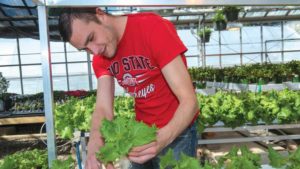
Greenhouse students in The Ohio State University Agricultural Technical Institute (Ohio State ATI) can now take part in a hydroponic crop production course,
Earlier this month, APHIS announced it is allocating almost $70 million to support 386 projects under the Plant Pest and Disease Mitigation and Disaster Prevention Program.
William “Pete” Pike founded Pike Nurseries on his signature uncomplicated, common-sense business approach, starting his business with three employees and turning it into a 500 employee operation with 18 retail stores today.
When harvesting produce, it is important that all food contact surfaces are clean and sanitary, especially if that produce may be eaten raw, writes Michigan State University Extension’s Phillip Tocco in a recent post.