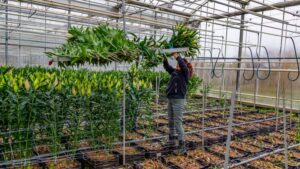
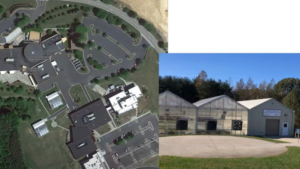
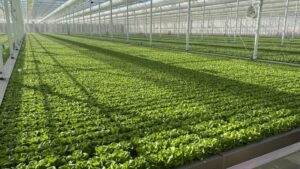
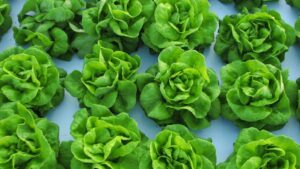
The objective of the program is to provide access to fresh produce, and create a positive environment where incarcerated persons can contribute directly to their community.
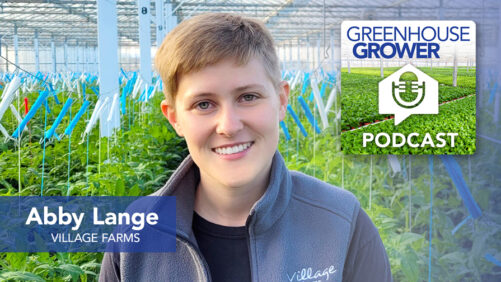
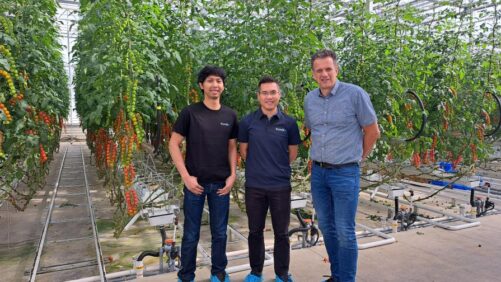
Abby Lange is facility manager at Village Farms, a company that produces more than 100 million pounds of fresh produce a year, all from their greenhouses in Texas.
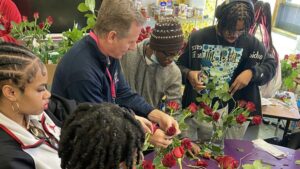
During this year’s Fall Career Week, participating businesses showcased the power and importance of coming together to build tomorrow’s workforce by forging connections in their communities.
Dümmen Orange North America has a new North American Product Manager for potted crops, while Stuppy and Jiffy have also made recent experienced additions to their teams.
Growers, manufacturers, researchers, and others are attending the Greenhouse Lighting and Systems Engineering’s annual Summit this month to explore pathways to resilience and profitability.
The two companies are combining their complementary strengths to give growers the advanced, flexible oversight and control they need to run their operations.
The Farm Labor Stabilization and Protection Pilot Program is designed to address workforce needs in agriculture, while supporting the expansion of lawful migration pathways for workers.
Matt Foertmeyer of Foertmeyer and Sons in Ohio, and Denise Mullins of Smith Gardens in Washington were two of the 14 members of the inaugural HRI Leadership Academy.
Drew Koschmann, Greenhouse Grower’s 2023 Head Grower of the Year, is leading Walters Gardens to new heights in plant production, thanks to years of experience and a drive to make himself and his team better.
We all should pay very close attention to what’s going on around us and – perhaps more importantly – recognize the value of engaging in cross-industry learning opportunities.